Living with a dog in an apartment
How to choose a dog that will be happy in an apartment, and the daily routine, exercise, toilet breaks, noise and alone-time training that make apartment life work.
7 min read
An apartment is not a problem in itself. Plenty of dogs, from tiny companions to some surprisingly large breeds, live contented lives in small homes. What decides whether apartment life works is not the number of square metres but how much exercise, company and mental stimulation the dog gets, and how well its temperament fits life with neighbours on the other side of the wall.
What really matters: exercise, company and calm
A dog that has had a good walk, a sniff around the neighbourhood and some play will usually rest calmly indoors, even in a small space. A dog that has not will look for its own entertainment, and in an apartment that often means barking, chewing or restless pacing.
Company matters just as much. Dogs are very social animals that need plenty of human companionship, and veterinary charities advise thinking carefully about how long a dog would be left alone each day before getting one. If you work long hours away from home, consider whether someone can share the care, or whether a dog is the right choice right now.
Choosing a dog for an apartment
When you compare breeds, look beyond size:
- Energy indoors. Some dogs switch off at home once they have been exercised; others stay busy all day. A calm indoor temperament is the single most useful trait in a small home.
- Barking. Some breeds and types bark more than others, and walls and floors carry sound. A dog that barks at every noise in the corridor will make life hard for you and your neighbours.
- Size and stairs. If there is no lift, think about carrying a puppy, an injured dog or an elderly dog up the stairs. Very large dogs also need room to turn and lie down comfortably.
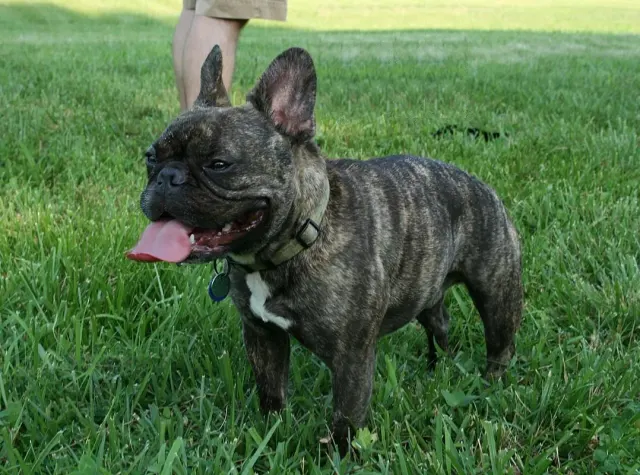
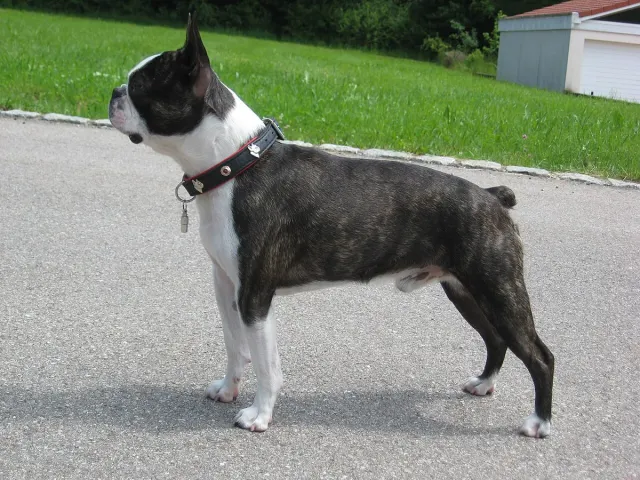
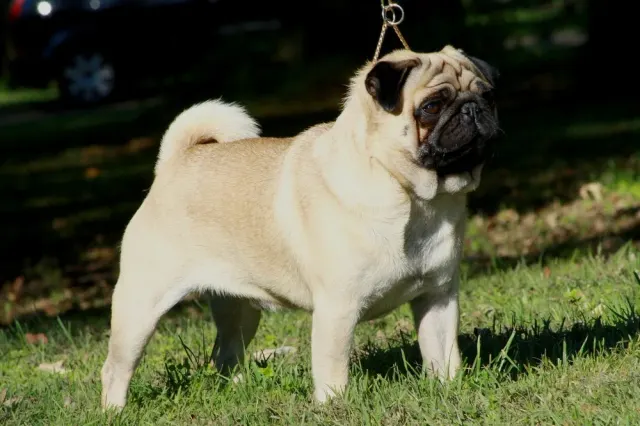
- Heat. Apartments can get very warm in summer. Flat-faced breeds, which are popular apartment dogs, are particularly sensitive to heat; read our guide to dogs in hot climates and heatstroke.
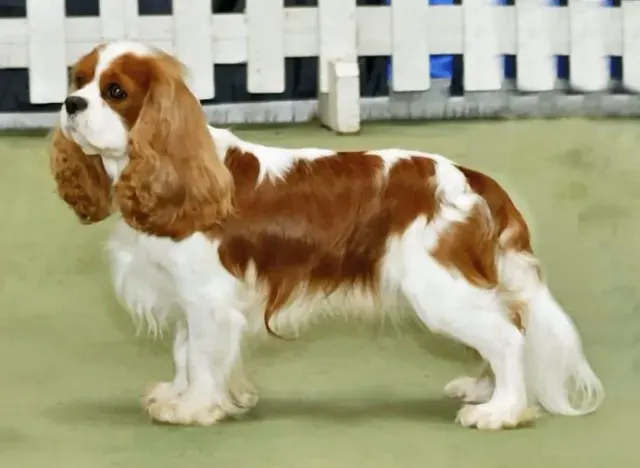
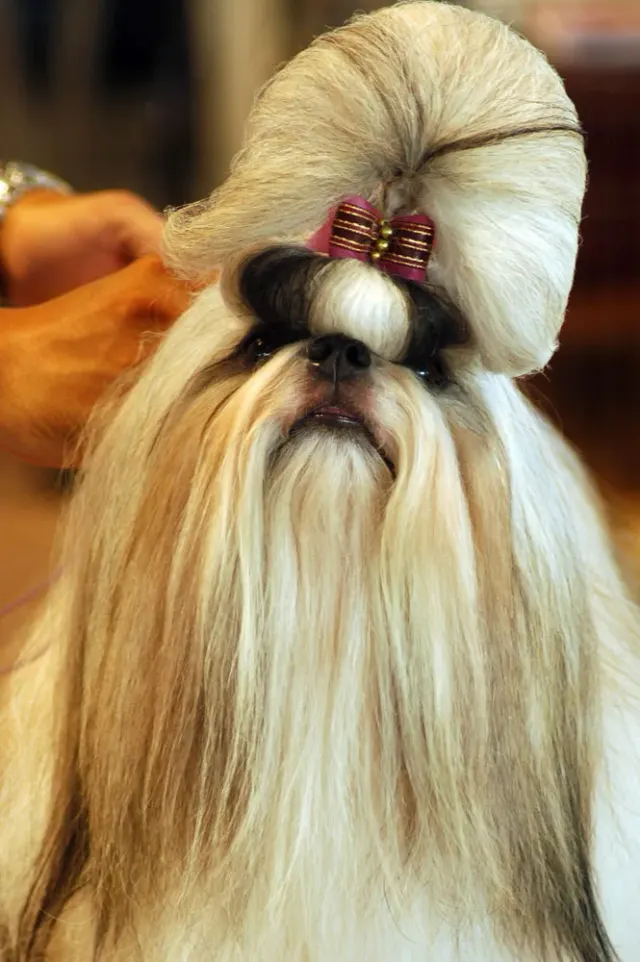
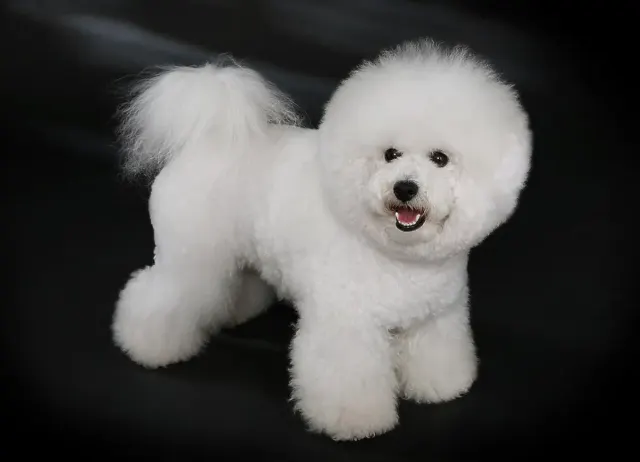
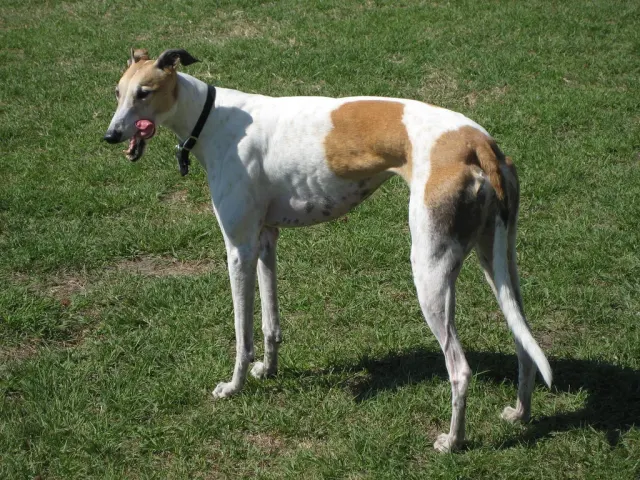
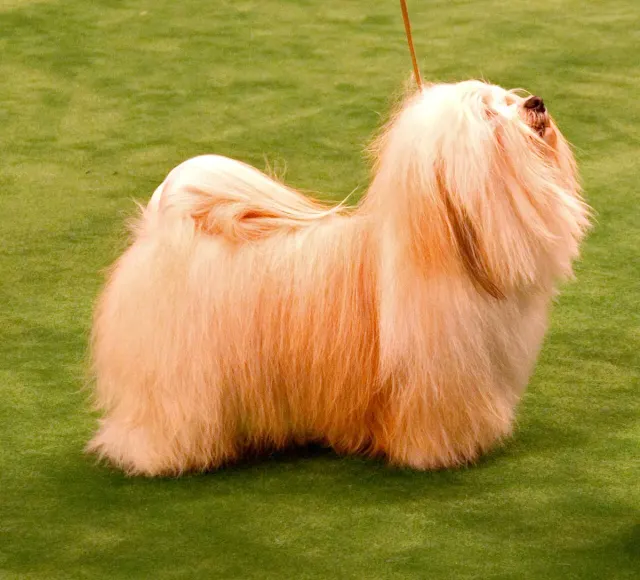
Every breed profile on Caninpedia says whether the breed is generally suited to apartments, and our best apartment dog breeds list ranks breeds marked as apartment-friendly by their energy level. Small companion breeds such as the Cavalier King Charles Spaniel, Bichon Frise, Havanese and Shih Tzu are often good choices. Size is not everything, though: the Greyhound is a large dog that our profile rates as suitable for apartment life, because it is usually calm indoors once it has had its run.
At the other end, high-energy working breeds such as the Border Collie, Belgian Malinois or Siberian Husky can struggle in a small home unless their owners give them a great deal of exercise and work every day. Our Find my breed quiz asks where you live and filters its suggestions accordingly.
How long can a dog be left alone?
Welfare charities give consistent advice: about four hours is the longest a dog should routinely be left alone, so that it has the chance to exercise, go to the toilet and spend time with people. This is a maximum, not a target. A young, active puppy generally cannot cope with four hours alone, while an older dog that is used to it may manage well.
If your days are longer than that, plan for help: coming home at lunchtime, a neighbour, friend or relative who can visit, a professional dog walker or pet sitter, or a day care service. Dogs that spend time with other dogs at day care need their vaccinations kept up to date.
Teaching your dog to be alone
Being left alone is a skill that dogs learn, and the RSPCA cites research suggesting that most dogs find it hard to cope when left alone, often without showing obvious signs. Teaching it early, and gradually, is one of the best things you can do for an apartment dog.
- Start with you in the room. Encourage your dog to settle on its bed and reward it for staying calm.
- Move away a little. Take a few steps away, come back and reward calm behaviour.
- Leave the room briefly. Step out for a few seconds, return, and reward if your dog stayed relaxed.
- Build up slowly. Increase the time very gradually, then go out of the front door, then leave for longer, varying the length of your absences.
- Go back a step if needed. If your dog becomes worried, do not reward it; next time, leave for a shorter time. Never leave it long enough to become distressed.
A few habits make the training work:
- Exercise first. Take your dog for a walk before you go out, and let it go to the toilet.
- Leave something to do. A food-filled puzzle toy or a safe long-lasting chew, kept special for times alone, gives your dog something pleasant to focus on. Take treats out of the daily food allowance to avoid weight gain.
- Keep comings and goings calm. Leave without a fuss and greet your dog quietly when you return, so departures and arrivals become ordinary.
- Create a safe space. A comfortable bed or den in a room at a pleasant temperature, with water and nothing dangerous to chew.
- Use a baby gate for practice. A gate across a doorway lets your dog see, hear and smell you while it learns to spend time apart, which makes a gentle first step.
- Film your dog now and then. Hidden signs of distress, such as trembling, pacing or whining, are easy to miss if you only see the dog when you are home.
If your dog struggles when alone
Barking, howling, toilet accidents or destruction while you are out are common signs that a dog is distressed, not that it is taking revenge. Never punish your dog when you come home: it cannot link the punishment to something it did hours before, and it will only become more anxious the next time you leave, which makes the problem worse.
Separation-related problems can have many causes, including pain or illness, a change in the household or something that frightened the dog. Start with a visit to your vet to rule out a medical cause, then ask for a referral to an accredited or clinical animal behaviourist. Severe cases need professional help.
A daily routine that works in a small home
Apartment dogs thrive on routine. A typical day might include:
- Morning: a proper walk with time to sniff, then breakfast and a rest.
- During the day: a midday walk or visit if you are out for long, and a puzzle toy while alone.
- Evening: a longer walk or play session, some training, and calm time together.
Sniffing is valuable exercise for the mind, so let your dog explore on walks rather than only marching from A to B. Short training sessions, food puzzles and scent games all use up energy indoors and are quiet enough for neighbours.
Toilet breaks, stairs and lifts
Without a garden, every toilet break means going outside. Puppies need to go out very often, including at night, so think about how you will get a puppy downstairs quickly. Teach your dog to wait calmly at the door, in the corridor and in the lift, and to walk on a loose lead past neighbours and their pets. Always carry bags and clean up after your dog.
Being a good neighbour
Introduce your dog to neighbours in a calm way, keep it on a lead in shared spaces, and deal early with any barking problem. A dog that is exercised, trained to settle and not left alone for too long is usually a quiet dog. If neighbours mention barking while you are out, take it seriously: it may be the first sign that your dog is not coping when alone.
Is an apartment right for your future dog?
Before you choose, run through this quick check:
- Someone can walk the dog at least twice a day, in all weathers.
- The dog will not routinely be alone for more than about four hours, and much less while it is a puppy.
- You have a plan for toilet breaks, stairs or lifts, and summer heat.
- The breed’s energy, size and tendency to bark suit close neighbours.
- You are ready to teach alone-time gradually from the first days.
With the right dog and a steady routine, apartment life can be a very happy one. Browse the breeds suited to apartments, compare candidates with our breed comparisons, and read our guide on choosing your first dog if this will be your first.
Sources
Studies, veterinary and welfare organisations and breed standards this guide is based on.
- Home alone: preventing separation anxiety — PDSA (veterinary charity)
- How to train your dog to stay home alone — RSPCA
- How to help your dog get used to spending time alone — Dogs Trust