French Bulldog
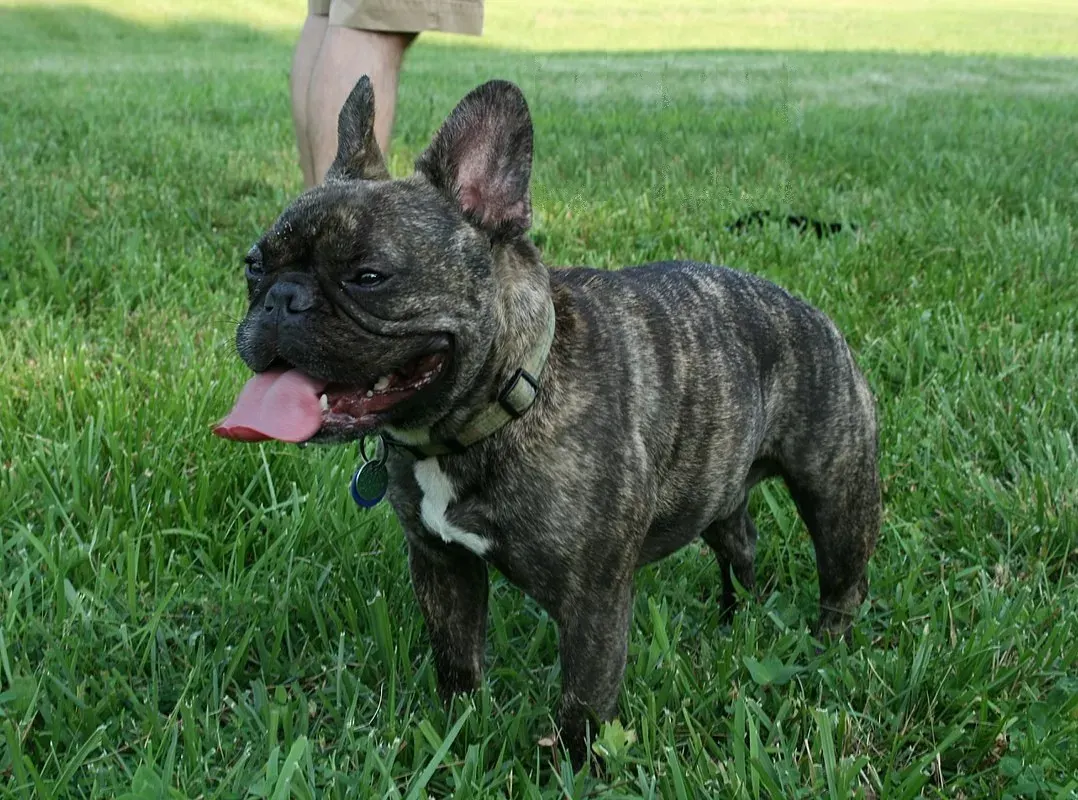
Compact, funny and very cuddly, the French Bulldog is an ideal city companion, as long as it is well protected from heat.
History and origins
The French Bulldog descends from small English bulldogs taken to France in the 19th century, notably by lace workers. In Paris it became the companion of craftsmen and later of high society.
Its 'bat ears' became its trademark, and today it is one of the most popular breeds in the world.
Temperament
Cheerful, affectionate and sometimes stubborn, the Frenchie adores human company and follows its owners everywhere. It barks little and usually gets on well with children and other animals.
It copes poorly with being alone and responds better to gentle, short, playful training than to force.
Health
Its very short muzzle exposes it to brachycephalic obstructive airway syndrome: snoring, breathlessness and intolerance of exercise and heat. Spine, skin and eye problems are also common.
Choose a breeder who selects dogs that breathe well, and see a veterinarian at the slightest sign of breathing trouble.
This is general information. For any question about your dog's health, consult a veterinarian.
Feeding
It gains weight easily, which worsens its breathing difficulties. Good-quality food in measured portions and few treats are essential.
Some individuals have sensitive digestion, so avoid sudden changes of diet.
Exercise
Calm walks and short play sessions are enough. Never push it to run for long or let it swim unsupervised, as it swims very poorly.
Use a harness rather than a collar so its breathing is not restricted.
In summer, limit outings to the cool hours, keep it in a ventilated or air-conditioned room, and never leave it in a car, even for a few minutes. Noisy panting, a purplish tongue or weakness are veterinary emergencies.
Grooming
Its short coat needs little care, but the facial folds should be cleaned and dried regularly to prevent irritation.
Also keep an eye on its ears and eyes.