A small Cuban dog with a silky coat, the Havanese is cheerful, sociable and easy-going, ideal for families in the city.
History and origins
The Havanese is Cuba's national breed. Its ancestors, small Mediterranean bichons, are thought to have arrived on Spanish ships and were then kept by well-off families in Havana.
Nearly lost after the Cuban revolution, it was preserved thanks to dogs taken to the United States.
Appearance and colours
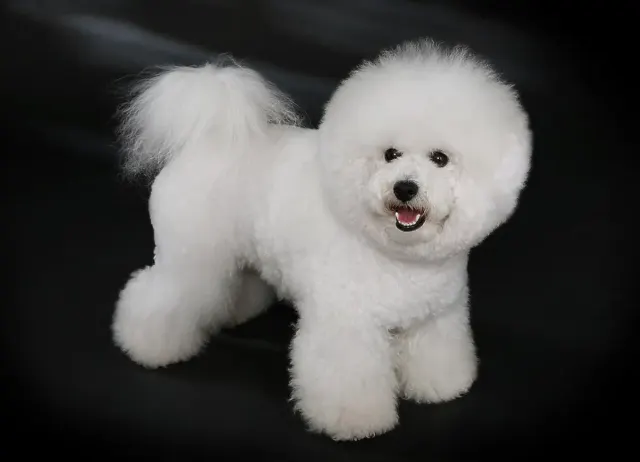
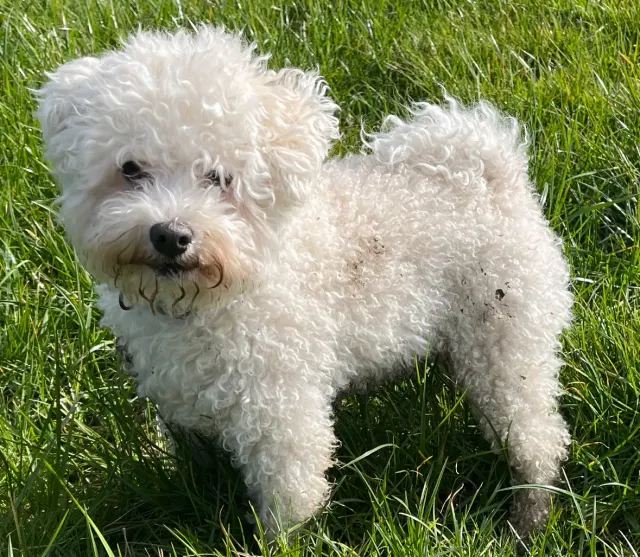
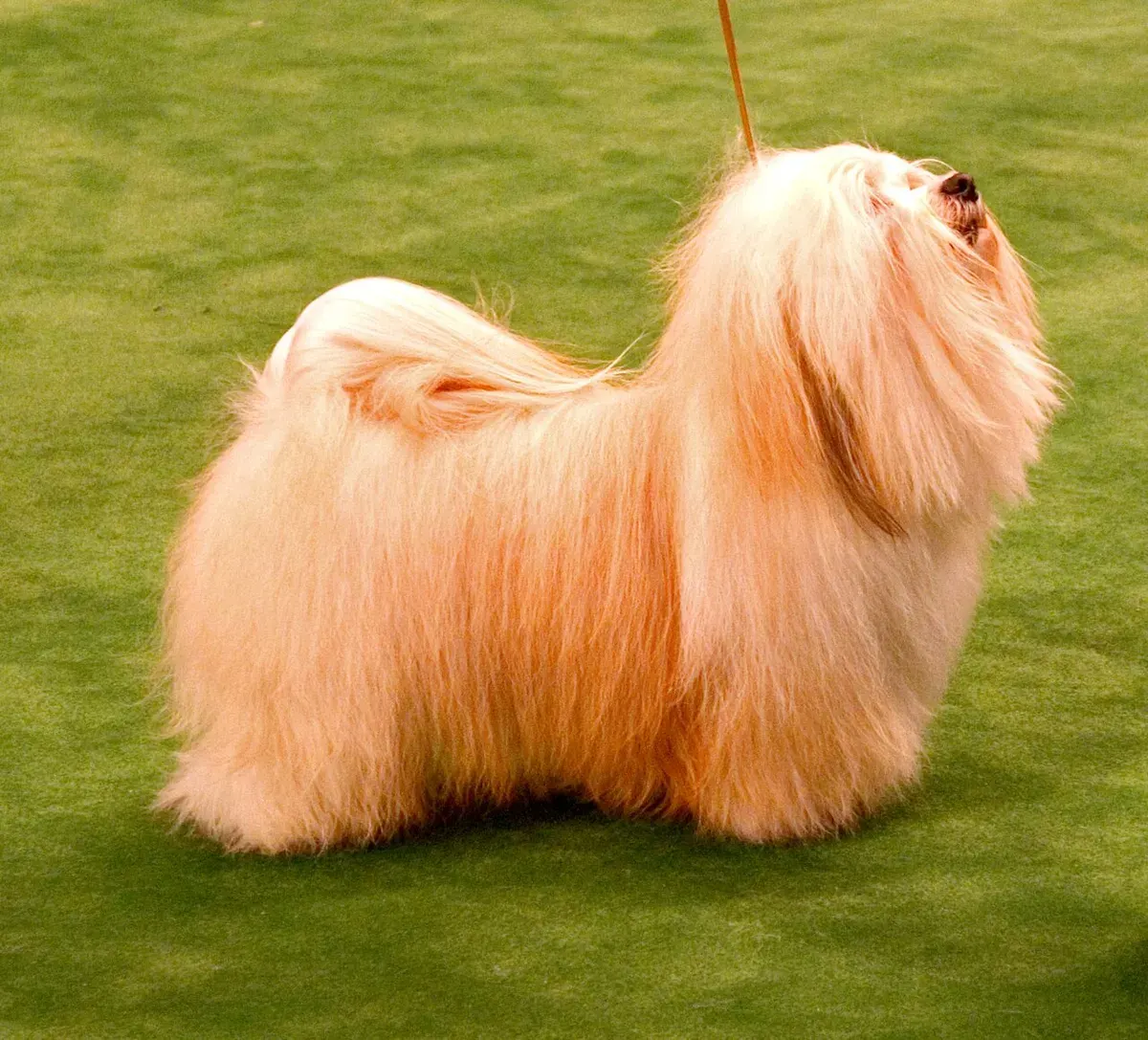
The FCI breed standard describes a sturdy little dog, low on the leg, with long, abundant, soft and preferably wavy hair and a lively, springy movement. The topcoat is very long (12–18 cm in an adult), soft, flat or wavy and may form curly strands; the undercoat is slight or absent. The standard forbids trimming, apart from tidying the feet and keeping hair out of the eyes.
Colours include, rarely, pure white, fawn in various shades, black, havana brown, tobacco and reddish-brown, with or without patches.
- Height at the withers: 23–27 cm (tolerance 21–29 cm).
Temperament
Cheerful, affectionate and very sociable, the Havanese loves everyone, children and animals included. It is playful and lives to be with its family.
Intelligent, it learns quickly with positive training but copes poorly with being alone.
With children and other pets
The standard describes an exceptionally bright, affectionate, happy, amiable and playful dog, "even a bit of a clown", that loves children and plays with them endlessly. It rates 5 out of 5 with children and 5 out of 5 with other dogs in our ratings.
- It is a cheerful family companion.
- Its long coat needs regular brushing (4 out of 5 for grooming needs in our ratings).
Training tips
According to the standard, the breed comes from the western Mediterranean and developed along the Spanish and Italian coasts; such dogs were taken to Cuba early on, probably by Italian sea captains. The old Cuban lines disappeared after political events, and the breed survived through a few dogs taken to the USA. The Royal Kennel Club calls it the national dog of Cuba. It rates 4 out of 5 for trainability in our ratings.
- It learns easily with short, playful, reward-based sessions.
- Brushing sessions are a good daily routine to start early.
Health
This is a fairly healthy breed. Kneecap luxation, some eye diseases and a growth abnormality of the front legs should be monitored.
Regular veterinary follow-up is recommended.
Common health issues in detail
Cataract has been studied in the breed. A Norwegian study describes cataract as an important health issue in Havanese, with cortical and anterior suture line cataracts the most often diagnosed forms; it found that eye examinations were done at an average age of 3.4 years, before most genetically at-risk dogs show changes, and suggested that using older dogs for breeding could make selection more accurate.
The Royal Kennel Club recommends eye testing as a minimum for breeding dogs and elbow scoring as best practice, and notes that the breed has a breed club health scheme.
This is general information. For any question about your dog's health, consult a veterinarian.
Feeding
Small-breed food in measured portions suits it.
Avoid excess weight.
Exercise
Daily walks and play are enough. It enjoys learning tricks.
It adapts to its family's pace.
Coming from a hot country, the Havanese copes reasonably with heat, especially with a shorter summer clip; walk it during the cool hours. It is perfectly suited to apartments and suits households that want little dog hair.
Grooming
Its long, silky coat sheds very little but tangles: brush several times a week, or choose a regular short clip.
Clean around the eyes.
Choosing a puppy
Choose a breeder who eye-tests the parents regularly, scores elbows and takes part in the breed club health scheme.
- Ask for the parents' recent eye test results and their age at testing.
- Ask for the parents' elbow scores.
- Meet the mother: she should be happy and sociable.
Our guide on how to recognise a responsible breeder explains what to ask.
Similar breeds
The Bichon Frise, Bolognese, Maltese and Coton de Tulear are other small Bichon-type companions.