How to choose your first dog
A practical, step-by-step method for choosing your first dog: your time, home and budget, energy and size, grooming, training, health, and where to find a dog.
7 min read
Choosing a first dog is exciting, and it is easy to fall for a photo or a breed you saw in a film. The dogs that do best with first-time owners, though, are the ones chosen for the life they will actually live. This guide walks you through the questions to ask, in the order that matters, and points you to the tools on Caninpedia that can help at each step.
Step 1: Start with your life, not with a breed
Before looking at any breed, be honest about the next ten to fifteen years. Life expectancy in our breed profiles runs from about 5 to 16 years depending on the breed, so a dog is a long commitment.
- Time. Dogs are sociable animals that need the company of their people. Veterinary charities do not recommend getting a dog if you work long hours and nobody will be at home for most of the day. Think about walks, play, training and simply being together, every day.
- Home. An apartment, a house with a small garden or a home with lots of outdoor space all suit different dogs. Also think about stairs, shared spaces and how close you are to places where a dog can walk and sniff.
- Household. Young children, older relatives, other dogs or cats, and frequent visitors all change which dogs will be comfortable in your home.
- Climate. Heat is a real risk for some dogs, especially flat-faced and thick-coated breeds. If you live somewhere hot, read our guide to dogs in hot climates and heatstroke.
- Budget. Beyond the dog itself, plan for food, veterinary care (vaccinations, parasite prevention, neutering and the unexpected), insurance where it exists, equipment, grooming, training classes and care when you travel. Breeds with known health problems or demanding coats usually cost more over a lifetime.
Step 2: Match energy, not looks
The single most common mismatch is energy. A dog bred to herd sheep all day or to run after game needs far more than a short walk around the block, and a bored, under-exercised dog often finds its own jobs: chewing, barking, digging or pulling on the lead.
A breed’s original purpose is a useful clue. Herding and working breeds usually need lots of activity and a job to do; gundogs are often active and keen to work with their owner; many hounds have a strong urge to chase or follow a scent; terriers tend to have a high prey drive and like to dig; companion breeds were bred mainly to keep people company. Every dog is an individual, but these tendencies are a good starting point. You can explore them in our breed groups.
For a first dog, a moderate energy level is usually the easiest to live with. Our calmest dog breeds and most energetic breeds lists show both ends of the scale. A Whippet, for example, needs a good daily run but is often calm indoors, while a Border Collie or Belgian Malinois needs a great deal of physical and mental work every day.
Step 3: Size and space
Size affects much more than how a dog fits on the sofa. Larger dogs need more space and stronger handling, eat more, and often cost more to treat. Very small dogs can be fragile around young children. Some medium and large breeds live happily in apartments if they are calm indoors and well exercised outside, and some small breeds are too noisy or energetic for close neighbours.
If you live in an apartment, start with our best apartment dog breeds, and check each breed’s exercise section for advice on space and noise.
Step 4: Grooming and shedding
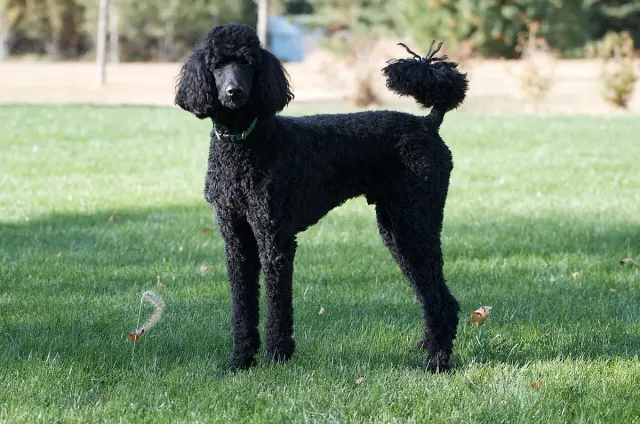
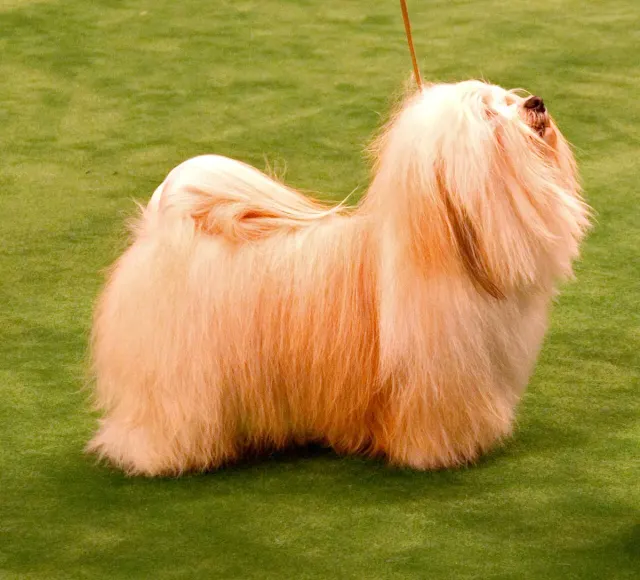
Coats range from wash-and-go to daily brushing and regular professional grooming. Curly and long coats such as those of the Poodle, Bichon Frise or Havanese shed little but need frequent brushing and regular trims. Short coats are quicker to care for but can still shed a lot. Double-coated breeds shed heavily, especially at certain times of year.
Think about how much time you will really spend on grooming, and whether you are ready for dog hair on clothes and furniture. Our low-grooming breeds and low-shedding breeds lists can narrow the choice.
Step 5: Trainability and temperament
First-time owners usually do best with a dog that learns readily and wants to work with people. Independent breeds can be wonderful companions, but they often need more patience and experience. Our easiest dog breeds to train list is a good place to start, and every breed page ends with an FAQ that says whether the breed suits a first-time owner.
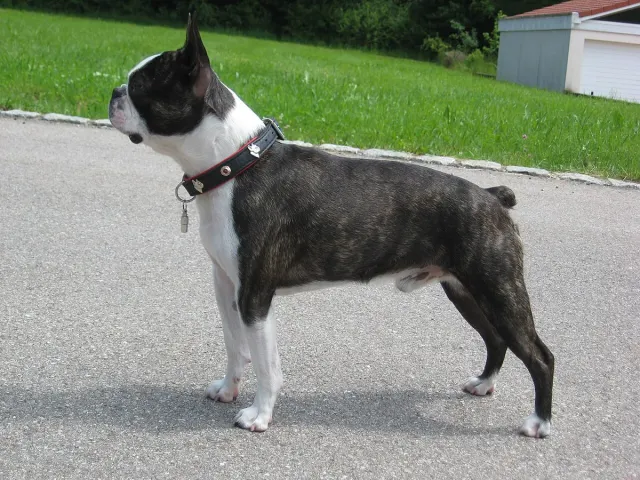
Some breeds often recommended to beginners in our ratings combine good trainability, moderate energy and an easy-going nature: the Cavalier King Charles Spaniel, Boston Terrier and Havanese, for instance. The Labrador Retriever and Golden Retriever are famously trainable and friendly, but they are energetic dogs that need plenty of exercise; you can compare them side by side.
If you have children, read each breed’s notes on living with children, and plan for supervision and clear house rules whatever dog you choose. Our best breeds for families with children list ranks breeds by how well they usually get along with children.
Step 6: Choose a healthy dog
Some breeds have been bred for exaggerated features such as very flat faces, wrinkly skin or very short legs. These features can cause painful, lifelong health problems. Veterinary charities suggest a few ways to choose a healthier dog:
- Prefer breeds without extreme features, or individuals with a longer muzzle, fewer wrinkles and longer legs.
- Consider a crossbreed or a dog from a rescue, which often have less exaggerated features.
- Research the health problems your chosen breed is prone to, and whether you could afford treatment.
- Ask whether the parents have been health tested for the conditions that affect the breed, and ask to see the results.
Flat faces matter for heat, too: a large veterinary study found that flat-faced dogs had about twice the odds of heatstroke compared with dogs with a medium-length muzzle.
Each breed page on Caninpedia has a health section and links to breed club pages that list recommended health tests.
Step 7: Puppy or adult, rescue or breeder
A puppy is a blank slate but needs a lot of time for house training, socialisation and supervision. An adult dog’s size, energy and temperament are already known, which can make the match easier for a first-time owner.
Rescue organisations. Good rescue centres try to match each dog with the right home. They usually carry out home checks, use adoption contracts and offer advice and support after adoption.
Breeders. If you buy a puppy, choose a breeder who knows the breed well, health tests the parents and asks you questions too. Always see the puppy with its mother, and walk away if you have doubts about the breeder or the situation: buying a puppy you feel sorry for only funds the trade. Many problem sellers advertise online. Puppies from puppy farms are more likely to develop illnesses and long-term behaviour problems.
Your checklist before you decide
- I can give a dog company, exercise and attention every day, for its whole life.
- My home, household and climate suit the breed’s size, energy and coat.
- I have budgeted for food, routine and emergency vet care, equipment, grooming, training and care when I travel.
- I know the breed’s common health problems and which tests the parents should have.
- I have met dogs of this breed, or this individual dog, and talked to owners, breeders or a rescue.
- I have a vet lined up and a plan for the first weeks at home.
Next steps
If you are still unsure, take our Find my breed quiz: eight questions about your home, family, exercise, climate, experience and grooming time, with suggestions explained breed by breed. Save the breeds you like with the heart button and compare them on your favorites page, or browse our breed comparisons. Then meet the dogs, talk to people who live with them, and take your time. The right first dog is worth waiting for.
Sources
Studies, veterinary and welfare organisations and breed standards this guide is based on.
- Getting a dog: what we recommend — PDSA (veterinary charity)
- Dog breed groups — PDSA (veterinary charity)
- How to choose a healthier pedigree pet — PDSA (veterinary charity)
- What to consider when buying a puppy — RSPCA
- Incidence and risk factors for heat-related illness (heatstroke) in UK dogs under primary veterinary care in 2016 (Hall, Carter & O'Neill, Scientific Reports, 2020) — Scientific Reports (Nature Portfolio)