Belgian Malinois
A tireless, highly intelligent athlete, the Malinois is the working dog par excellence. It thrives with an active, experienced owner.
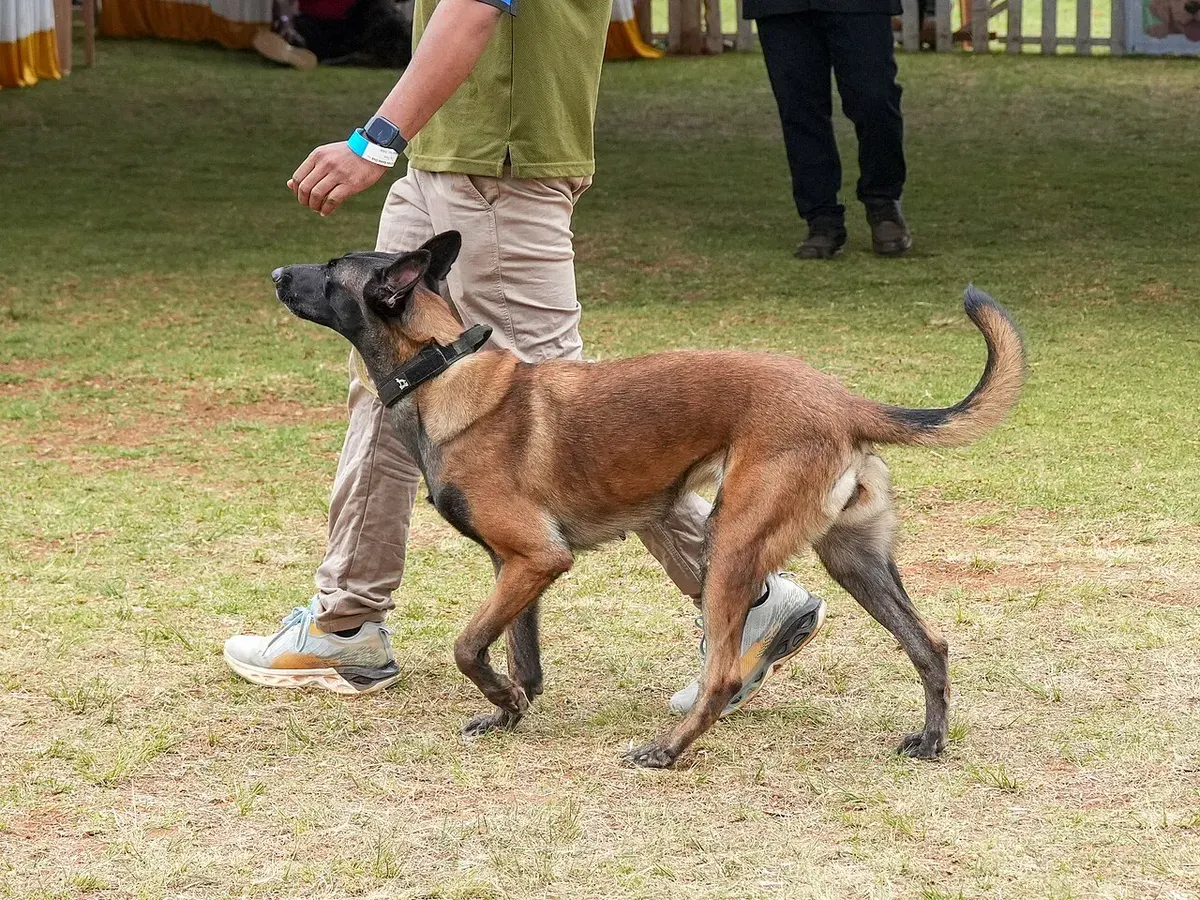
History and origins
The Malinois is one of the four varieties of Belgian Shepherd, alongside the Groenendael, Tervuren and Laekenois. It takes its name from the Mechelen (Malines) area of Belgium, where it was developed in the late 19th century to guard and move livestock.
Its drive, stamina and eagerness to work have made it one of the dogs most widely used by police, armed forces, search-and-rescue teams and dog-sport clubs around the world.
Temperament
Quick, sensitive and extremely attached to its owner, the Malinois is always ready for action. It learns very fast, but that intelligence has a downside: without a job and clear structure it can develop difficult behaviours.
Being protective, it needs early socialisation and positive, consistent, daily training. It suits experienced owners better than first-time adopters.
Health
The Malinois is generally robust. Like many dogs of its size it can be affected by hip or elbow dysplasia, so choose a breeder who screens their breeding dogs.
Its high activity level also exposes it to sports injuries and heatstroke. Regular veterinary visits allow appropriate follow-up.
This is general information. For any question about your dog's health, consult a veterinarian.
Feeding
A Malinois that works or does dog sports burns a lot of energy and needs a rich, good-quality diet matched to its actual activity. A less active companion dog should get more moderate portions.
Avoid intense exercise just before and after meals, and always leave fresh water available.
Exercise
A simple walk is not enough: it needs at least two hours of activity a day, combining physical exercise with mental stimulation (obedience, tracking, agility, search games).
It is an excellent partner for dog sports, running and hiking.
Its short coat helps in the heat, but its enthusiasm can push it beyond its limits: in summer, schedule exercise early in the morning or in the evening, and provide shade and fresh water. Apartment life is not recommended, except for very committed owners who can offer several hours of activity every day. Even with a garden, it should not be left alone all day: it needs to work with its person.
Grooming
Its short, dense coat is easy to maintain with weekly brushing. During shedding, more frequent brushing keeps hair in the house under control.
Check its paw pads regularly, especially if it runs on hard or hot ground.