The real costs of owning a dog
Every category to budget for over a dog's life, from setting up to food, vet care, insurance, grooming and boarding, and why size, breed and health change the total.
6 min read
Many people underestimate what a dog costs. The price of the puppy or the adoption fee is the most visible figure, but it is only the beginning: a dog depends on you for food, care and safety for its whole life, which can be well over a decade. This guide lists every category you should plan for. It deliberately gives no prices, because they vary enormously from one country and city to another. Instead, use it as a checklist to build your own budget with local prices.
Why the total is bigger than you think
Veterinary charities recommend sitting down and working out a budget before getting a dog. The PDSA, a UK veterinary charity, publishes estimated minimum lifetime costs, and stresses that they are minimums: they do not include the purchase price, vet bills for illness or injury, special diets, grooming, training classes, day care or boarding. Even so, its minimum estimate for a large breed can be about three times its lowest estimate for a small breed.
In the United States, a survey reported by the American Kennel Club found that dog owners estimated just over half of their dog-related spending went on food, almost a quarter on health care, and about a tenth on toys and accessories. The same survey found that almost a quarter of pet owners had gone into debt because of their pet’s medical needs. Proportions differ between countries, but the lesson is the same everywhere: food and health care dominate, and the unexpected can be expensive.
1. Getting your dog
- Adoption fee or purchase price. Ask what is included, such as vaccinations, microchipping or neutering. If you buy a puppy, choose the breeder for health and welfare rather than price; see how to recognise a responsible breeder.
- Travel to collect your dog, if the breeder or shelter is far away.
2. Setting up
These are mostly one-off costs, although many items wear out and need replacing over the years:
- Bed and/or crate, blankets
- Food and water bowls
- Collar, identification tag, lead and harness
- Car restraint or travel crate
- Toys, chews and food puzzles
- Grooming tools, dog toothbrush and toothpaste, shampoo
- Baby gates, cleaning supplies, poo bags
- Initial vaccinations, early parasite treatments, microchipping if it has not been done, and possibly neutering
Our guide to what to buy before your puppy comes home goes through this list in detail.
3. Regular costs, month after month
- Food and treats. Usually the largest regular expense. Larger dogs eat more, and some dogs need a special or prescription diet, which can cost more.
- Parasite prevention. Regular flea, tick and worm treatments, depending on where you live and your vet’s advice.
- Routine veterinary care. Yearly health checks and booster vaccinations.
- Insurance, where it is available. Policies can cost more for breeds prone to health problems.
- Replacements. Toys, beds, leads and harnesses wear out, especially with a chewer.
- Licences or registration fees, where local rules require them.
4. Services you may need
Whether you need these depends on your lifestyle and your dog’s breed:
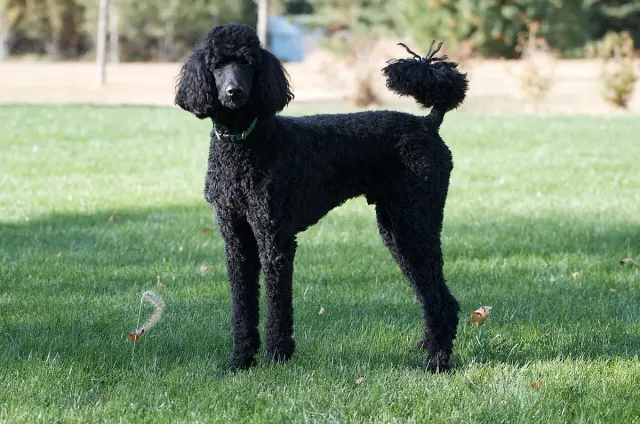
- Grooming. Short coats need little more than brushing at home, but curly, long and wire coats may need regular professional grooming for life. The Poodle, Bichon Frise or Shih Tzu, for example, all have coats that need frequent care.
- Training. Puppy classes, and possibly help from a qualified behaviourist if problems develop.
- Dog walking and day care, if your dog would otherwise be alone for longer than about four hours.
- Boarding or pet sitting when you travel without your dog.
Costs people often forget
Beyond the obvious categories, a few costs regularly surprise new owners:
- Accessories for your climate and activities, such as a coat or boots for cold weather, or a life jacket for dogs that swim or travel by boat.
- Travel with your dog, including transport fees and deposits for holiday accommodation.
- Dog sports and hobbies. If you take up agility or another activity, budget for training, equipment and entry fees.
- Help with behaviour, for example a qualified behaviourist if your dog develops a problem with being left alone, reactivity or fear.
- Replacing what your dog destroys. Chewed shoes and furniture are part of life with many puppies.
5. The unexpected: illness, injury and emergencies
This is the category that catches owners out. Accidents, sudden illness, swallowed objects and chronic conditions can cost far more than a year of routine care. The PDSA’s minimum lifetime estimates explicitly leave out vet fees for illness and injury for this reason, and the charity recommends insurance.
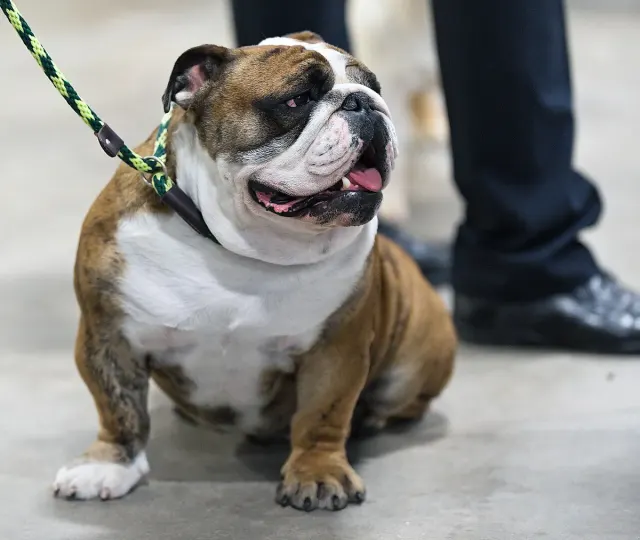
Some breeds are more likely than others to need treatment. Breeds with exaggerated features, such as very flat faces, heavy wrinkles or very short legs, can suffer painful problems linked to those features, such as breathing difficulties with flat faces and back pain with long, low backs, and their insurance can cost more. Researching your breed’s health before you choose, and buying from a breeder who health tests the parents, are among the best ways to keep costs down. Every breed profile on Caninpedia has a health section and links to the health tests recommended by breed clubs.
Ways to prepare:
- Compare insurance policies where they exist, checking what is excluded and whether ongoing conditions are covered for life.
- Set aside a regular amount in an emergency fund, whether or not you are insured.
- Know where your nearest emergency vet is and how its fees work.
6. Later life
Budget for the possibility of more veterinary care, special diets or medication as your dog grows old. Lifespans vary a lot between breeds; in our breed profiles, typical life expectancy ranges from about 5 to 16 years. A long-lived small dog may be with you for well over a decade, so plan for the whole journey, not just the first year.
How size and breed change the budget
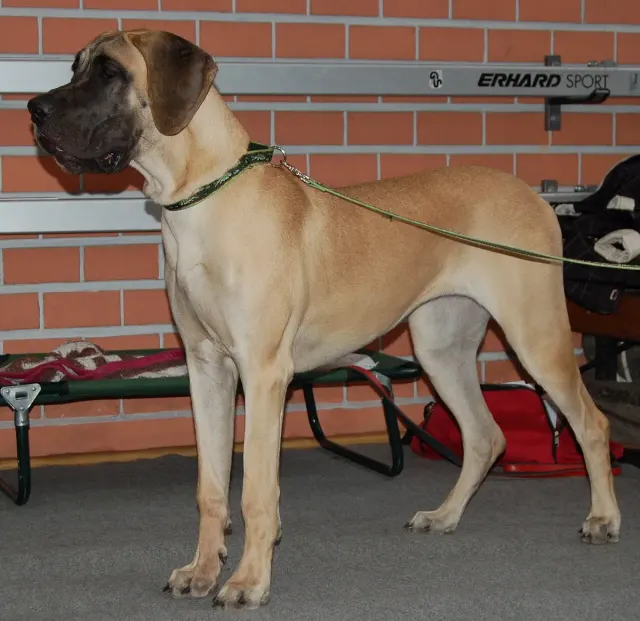
- Size. A toy breed such as the Chihuahua eats far less than a giant breed such as the Great Dane, and its supplies are smaller. An American Kennel Club survey also found that giant breeds cost more each year than small breeds.
- Lifespan. A longer life means more years of costs, as well as more years together. Our longest-living breeds and shortest-living breeds lists show the range.
- Coat. Breeds that need professional grooming add a regular service cost for life; our low-grooming breeds list shows the easiest coats.
- Health. Breeds with common inherited problems cost more to insure and to treat.
- Energy and temperament. A high-energy or anxious dog may need more walking, day care or training support.
Build your own budget
- List every category above and look up local prices for your chosen breed’s size.
- Add a monthly amount for food, parasite prevention and insurance.
- Add a yearly amount for vet checks, vaccinations and replacements.
- Add any services you will need: grooming, walking, day care, boarding.
- Set aside an emergency reserve.
- Multiply the yearly total by the breed’s typical lifespan to see the long-term commitment.
A dog gives back far more than it costs, but only if you can provide for it in good times and bad. If you are still choosing, our Find my breed quiz and the guide to choosing your first dog can help you find a dog that fits both your life and your budget.
Sources
Studies, veterinary and welfare organisations and breed standards this guide is based on.
- The cost of owning a dog — PDSA (veterinary charity)
- Know the true cost of owning a dog — American Kennel Club (AKC)
- How to choose a healthier pedigree pet — PDSA (veterinary charity)
- New puppy checklist — PDSA (veterinary charity)