How to recognise a responsible breeder
The signs of a responsible dog breeder, the questions to ask before and during a visit, the health tests to request, and the red flags of puppy farms and dealers.
7 min read
Where a puppy is born and raised has a huge impact on its future health and happiness. A responsible breeder plans each litter to produce healthy, stable dogs, raises the puppies in a home environment, and stays involved for the dog’s whole life. A puppy farmer or dealer, on the other hand, treats puppies as stock, and buying from them, even to “rescue” a puppy, funds the trade. This guide shows you how to tell the difference before you fall in love with a puppy.
What a responsible breeder does
Welfare organisations and kennel clubs describe responsible breeders in very similar terms. A responsible breeder:
- Breeds for health and temperament, not for profit or for fashionable looks, and avoids breeding for exaggerated features.
- Health tests the parents for the conditions known in the breed, and can show you the results.
- Raises puppies in the home, used to everyday household life, people and noises, and starts socialising them before they leave.
- Lets you meet the mother and the whole litter where they were born, and is happy for you to visit more than once.
- Answers your questions openly and asks you many of its own, about your home, family, work schedule and experience, because it cares where its puppies go.
- Does not let puppies leave before eight weeks old. Toy breed puppies are sometimes kept until around 12 weeks because they mature more slowly.
- Provides genuine paperwork: vaccination and worming records, microchip details where required, health test results for the parents, and a written contract.
- Takes back any dog it bred, at any age and for any reason, and stays available for advice throughout the dog’s life.
A new breeder can be responsible too. The American Kennel Club notes that a breeder having a first litter will usually have an experienced mentor or co-breeder guiding them; ask who that is.
Health tests: what to ask for
Every breed has its own inherited health problems, and specific health tests are recommended for each breed. The two main kinds are:
- Health screenings of the parents, such as hip and elbow scoring by X-ray, eye examinations or blood tests, which show whether a dog is affected.
- DNA tests, which show whether a dog carries the gene for a particular inherited disease, so that breeders can avoid producing affected puppies.
Ask which tests the parents have had, ask to see the certificates or results, and compare them with what is recommended for the breed. Each breed profile on Caninpedia links in its Sources section to the breed’s kennel club pages, where recommended health tests are usually listed. A test result does not guarantee a healthy puppy, but it greatly improves the odds, and a breeder who has not tested at all, or cannot explain the results, is not taking health seriously.
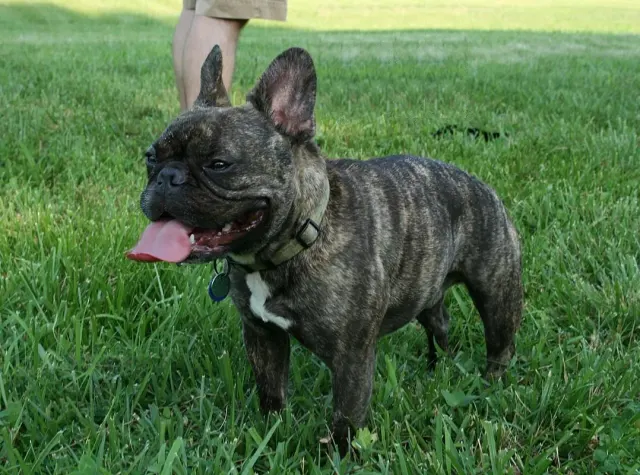
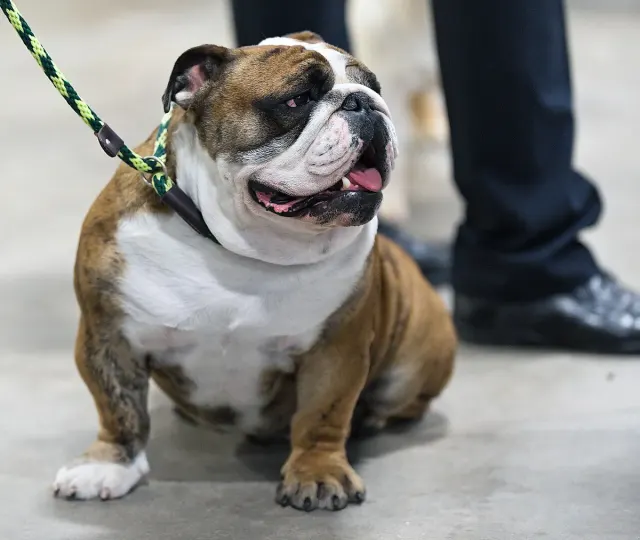
Also look at the parents themselves. The RSPCA advises watching for exaggerated physical features, such as a very short, flat face or very wrinkled skin, which can affect the puppies’ health and welfare. A breeder who tells you that snoring or noisy breathing is “normal for the breed” is describing a health problem, not a breed trait. Our guide to choosing your first dog explains why breeds without extreme features are a healthier choice.
Questions to ask on the phone
Before you visit, call and ask:
- Did you breed this litter yourself, and are the puppies kept where they were born?
- How many puppies are in the litter? (Ask again at the visit and check the answer matches.)
- Have the puppies or their mother had any health problems?
- Have the puppies been wormed and vaccinated, and are they microchipped? Can I see the records?
- Which health tests have the parents had for the conditions known in this breed? Can I see the results?
- Where are the puppies raised: in the house, with everyday noises and visitors?
- Have they met children, other adult dogs and a variety of people?
- Can I meet the mother and all the puppies? Can I contact the father’s owner if he is not there?
- At what age do the puppies go to their new homes?
- Do you provide a written contract and a health guarantee, and will you take the dog back if I can no longer keep it?
At the visit
- See the mother with her puppies. She should be relaxed, friendly and clearly interested in her litter. If the “mother” is said to be at the vet, asleep or out for a walk, the puppy was probably not bred there.
- Check that the puppies live there. Look for signs such as bedding, a whelping area and food bowls. Puppies that seem frightened of their surroundings may have been brought in for the viewing.
- Spend time with the litter. A few minutes is not enough. Sit among the puppies and watch how they behave and explore.
- Look for signs of good health: bright eyes, a clean coat and bottom, normal breathing and confident movement. Discharge from the eyes or nose, coughing, diarrhoea, a dull or sore coat, weakness or limping are reasons to stop and ask a vet.
- Compare the environment with your home. A puppy raised in a busy family kitchen will usually adapt more easily to a busy home than one raised somewhere very quiet. Nervous puppies need an experienced owner with plenty of time.
- Read the paperwork and the contract before you pay anything, and do not buy on your first visit.
Red flags: walk away if…
- The seller rushes you or asks for money before you have met the puppies and the mother.
- You cannot see the mother, or there is no sign the puppies were raised there.
- The seller offers to deliver the puppy or to meet you somewhere neutral, such as a car park.
- Several litters, especially of different breeds, are for sale at the same time.
- The puppy would leave its mother before eight weeks of age.
- The seller says a health problem is “normal for the breed”, or uses a registration certificate as proof of health and quality. Registration papers are not a health guarantee.
- “Teacup” or other extreme miniature sizes are advertised. The American Kennel Club notes that “teacup” is not a recognised size in any breed it registers, and that such dogs can be prone to health problems.
- The seller refuses to sign a contract or to answer your questions.
If something does not feel right, walk away, however hard it is. Report suspected puppy farms to your local authorities or an animal welfare organisation. Many problem sellers advertise online, so be especially careful with online adverts.
Consider adoption too
A responsible breeder is not the only good source of a dog. Rescue organisations have dogs of many ages, sizes and types, and good ones match dogs carefully with new homes, carry out home checks and offer support after adoption. An adult rescue dog’s size, energy and temperament are already known, which can make the match easier.
Before you commit
Choosing the breeder is as important as choosing the breed. Use our Find my breed quiz and breed comparisons to settle on a breed, read the breed’s health section and recommended tests, and then take your time to find the right breeder or rescue. When your puppy is ready to come home, our guides on what to buy before your puppy comes home and your puppy’s first 30 days will help you prepare.
Sources
Studies, veterinary and welfare organisations and breed standards this guide is based on.
- How to find a good puppy breeder — RSPCA
- Signs of a responsible dog breeder — American Kennel Club (AKC)
- Questions you can ask your potential breeder — American Kennel Club (AKC)
- Getting a puppy — PDSA (veterinary charity)
- How to choose a healthier pedigree pet — PDSA (veterinary charity)