What to buy before your puppy comes home
A practical shopping list and home preparation checklist for a new puppy: sleeping area, food, identification, walking gear, grooming, toys, safety and the vet.
6 min read
The weeks before a puppy arrives are the best time to prepare. Once your puppy is home, you will want to spend your time settling it in, not running to the shops. This guide covers what to buy, how to set up your home, and the few decisions to make before day one. It does not include prices, which vary widely from country to country; our guide to the real costs of owning a dog explains the long-term budget.
First, set up your home
Before you buy anything, decide where your puppy will sleep, eat and go to the toilet, and which parts of the home it can use.
- A quiet resting place. Choose a calm corner where the puppy will not be disturbed or in the way, with warm bedding. Everyone in the family should know that this is the puppy’s space and leave it alone when it is resting there. Even if your puppy will sleep in your room, it needs a safe place of its own during the day.
- A separate feeding spot. Puppies should eat away from their sleeping area, with fresh water always available nearby.
- A toilet area. Pick the spot outdoors where you want your puppy to go, so you can take it there straight away when you arrive home, and after every meal, nap and play session.
- House rules. Decide in advance whether the puppy will be allowed on the sofa or the bed and which rooms are off-limits, and make sure the whole household applies the same rules from the first day. Changing the rules later is much harder for a puppy than learning them once.
Puppy-proof every room
Puppies explore with their mouths. Go through your home at puppy height and move or protect:
- Cleaning products, medicines, chemicals and anything else that could poison a dog.
- Electrical cables and chargers.
- Shoes, children’s toys, socks and small objects that could be swallowed.
- Houseplants and garden plants that are toxic to dogs (ask your vet if you are unsure).
- Gaps in fences or gates, and places where a small puppy could squeeze through or dig under.
Remember that puppies grow quickly: stairs, shelves and furniture that are out of reach on the first day may not be a few weeks later.
The shopping list
You do not need much to start. Veterinary charity checklists include the following:
Sleeping and resting
- A bed and/or a crate. A crate can give a puppy a secure base and help with toilet training, as long as it is introduced gradually and the puppy is comfortable in it.
- Blankets for warmth and comfort. Ask the breeder or shelter for a blanket or item that smells of the puppy’s mother and littermates; it can help your puppy settle during the first nights.
Food and water
- Food and water bowls that are stable and easy to clean.
- A complete puppy food, labelled for puppies rather than adult dogs, because growing puppies have different nutritional needs. Start with the same food the breeder or shelter has been using, in the same amounts, and if you want to change it later, do so gradually to avoid stomach upsets. Your vet can advise on the right food for your puppy.
- Healthy training treats in small pieces, counted as part of the daily food allowance.
Identification and walking
- A collar and an ID tag with your contact details. In many countries identification, and often a microchip, is a legal requirement for dogs; check the rules where you live.
- A lead and a harness. Let your puppy wear the collar and harness at home for short periods so that it is used to them before its first walks.
- A car restraint, such as a crate or a dog seat belt attached to a harness, so your puppy travels safely.
Toilet training and cleaning
- Poo bags for walks.
- Puppy pads, if you plan to use them in the early days.
- Cleaning supplies for accidents, so you can clean the area thoroughly. Accidents will happen; they are part of learning.
Grooming and care
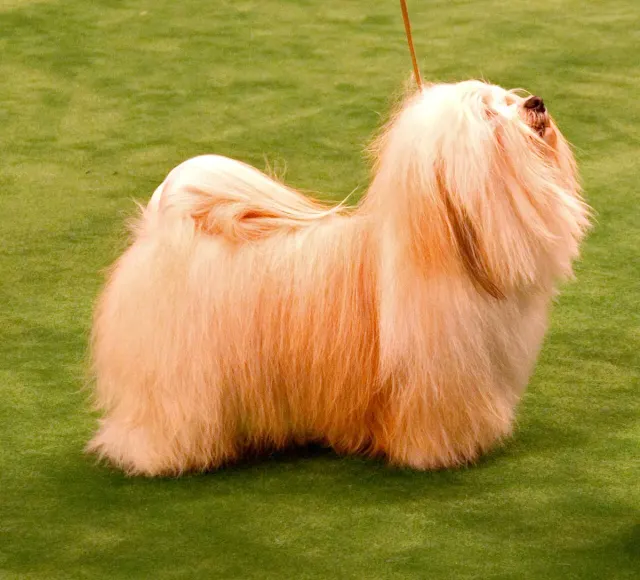
- A brush or comb suited to your puppy’s coat type. A long-coated or curly-coated breed may need more specialised tools later, and possibly a professional groomer.
- A dog toothbrush and dog toothpaste. Never use human toothpaste.
- Dog shampoo, for the occasional bath.
Toys and enrichment
- Plenty of toys of different types: chew toys for teething, soft toys, and toys for play together.
- A food puzzle or treat-dispensing toy, which keeps a puppy busy and helps when it learns to spend short periods alone.
- Baby gates, to limit your puppy to one or two rooms at first and keep it away from stairs and hazards while still letting it see you.
Before day one: the vet and the paperwork
- Choose a vet near your home and register your puppy before it arrives. Visiting the practice beforehand is useful: the team can answer questions and explain the vaccination and parasite-prevention schedule.
- Book a check-up for the first week, and note when the next vaccinations, worming and flea treatments are due.
- Collect the paperwork from the breeder or shelter: vaccination record, worming and flea treatments given, microchip details, the food your puppy eats and how much, and any health test results for the parents. A responsible breeder or rescue will be happy to provide these.
- Plan the first weeks. Puppies need company, short regular toilet breaks, about every two to three hours during the day, and sometimes during the night. If you work, arrange time off or help for the first weeks.
What you do not need yet
It is tempting to buy everything at once, but some things are better left until you know your puppy:
- Large or expensive beds that a teething puppy may chew to pieces.
- Adult-sized equipment that will not fit for months.
- Lots of different foods or treats. A stable diet is kinder to a puppy’s stomach.
- Anything for walks in public places before your vet says your puppy is protected. Until one to two weeks after the full primary vaccination course, keep your puppy away from places used by unvaccinated dogs and from water sources such as ponds and puddles.
On the day your puppy arrives
Keep the first day calm. Take your puppy to its toilet area first, then show it its bed, food and water. Let it explore one or two rooms at its own pace, avoid visitors for a few days, keep play sessions short and let it sleep: young puppies sleep a great deal. For the first nights, many owners sleep near the puppy and comfort it if it cries, which helps it feel safe and settle. Our guide to your puppy’s first 30 days explains the next steps: routine, socialisation, toilet training and learning to be alone.
Still choosing a breed? Read how to choose your first dog, try our Find my breed quiz, and if you are buying a puppy, read how to recognise a responsible breeder before you visit any litter.
Sources
Studies, veterinary and welfare organisations and breed standards this guide is based on.
- New puppy checklist — PDSA (veterinary charity)
- First day and night with your puppy — PDSA (veterinary charity)
- Getting a puppy — PDSA (veterinary charity)
- Toilet training your puppy — PDSA (veterinary charity)