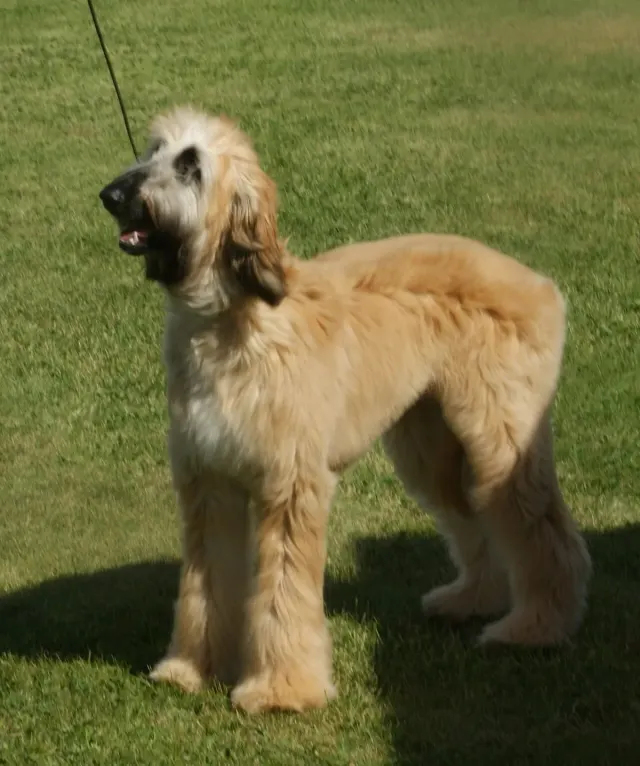
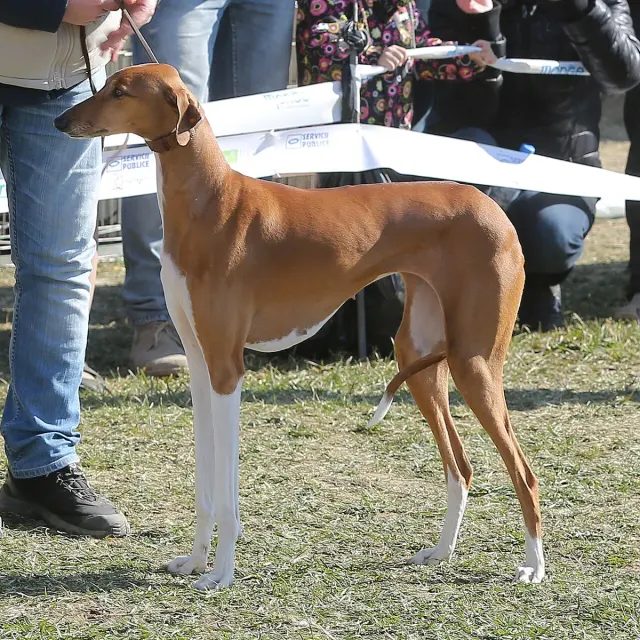
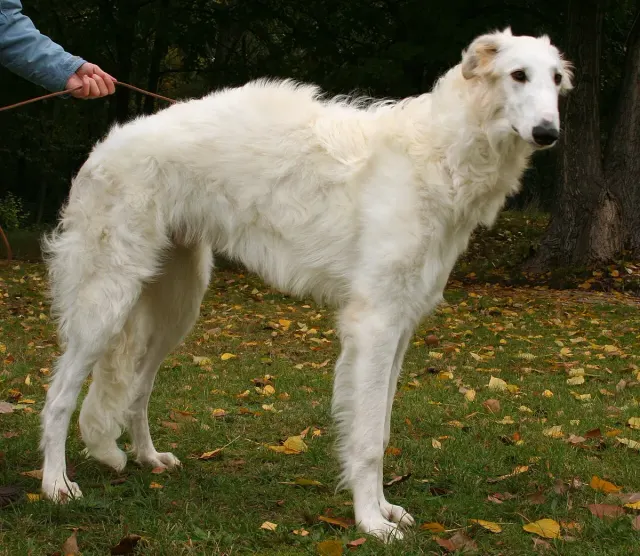
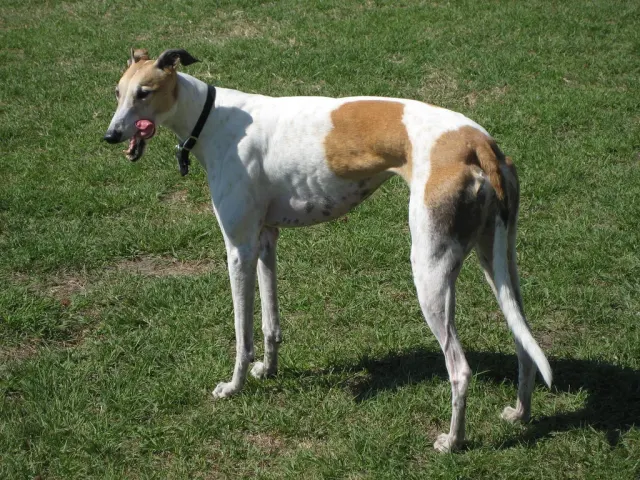
A medium-sized sighthound, lightning-fast outdoors and cuddly at home, the Whippet is gentle, quiet and easy to live with.
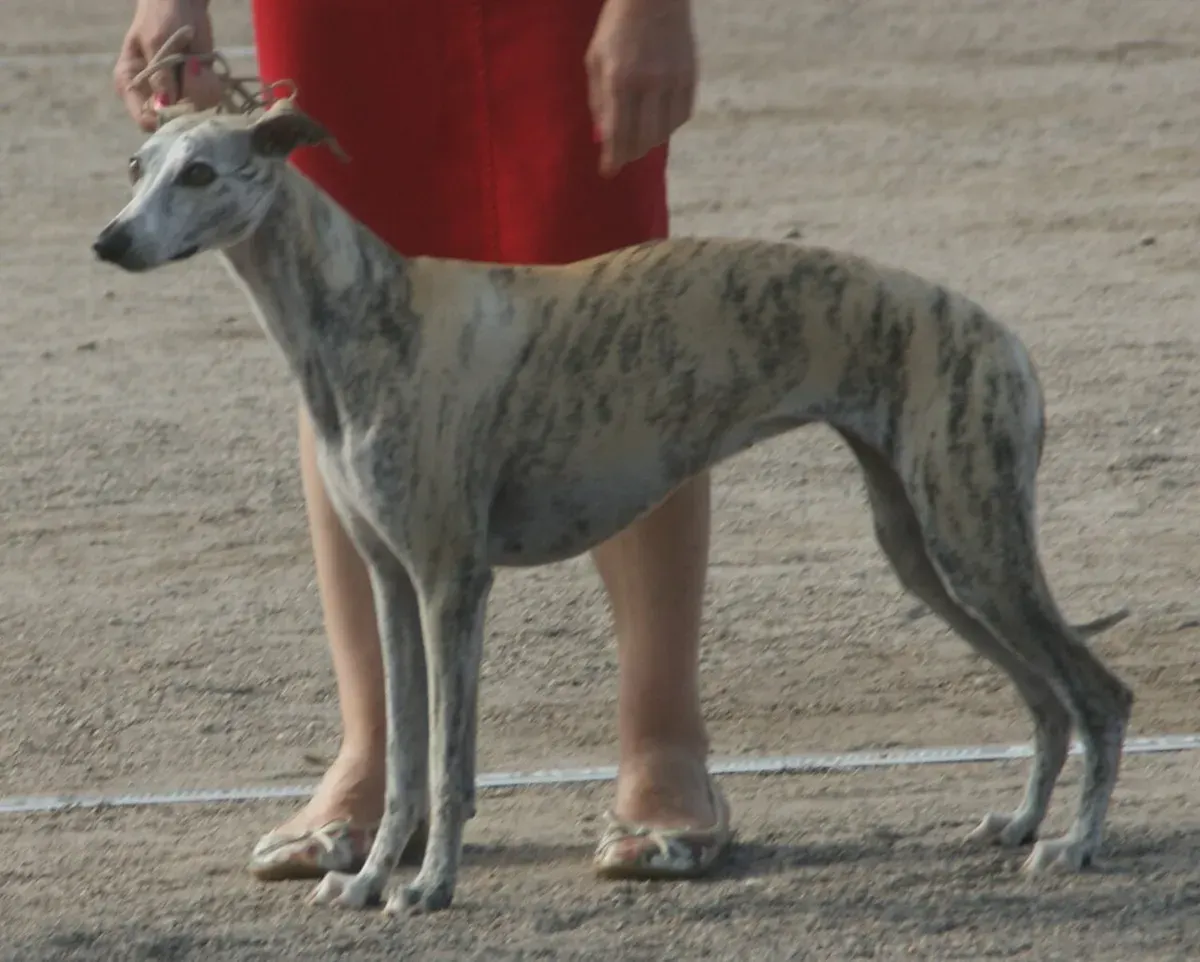
History and origins
The Whippet was developed in 19th-century England, particularly by northern workers, from small sighthounds and terriers. It was used for rabbit coursing and racing.
It was nicknamed 'the poor man's greyhound'.
Appearance and colours
The FCI breed standard describes a balanced combination of muscular power and strength with elegance and grace of outline, built for speed and work; all forms of exaggeration should be avoided. The coat is fine, short and close.
Any colour or mixture of colours is accepted except merle.
- Desirable height at the withers: 47–51 cm for males, 44–47 cm for females.
Temperament
Gentle, affectionate and calm indoors, the Whippet loves comfort and its family's company. It is sociable with other dogs.
Sensitive, it responds well to gentle training. Its chase instinct remains strong.
With children and other pets
The standard describes an ideal companion, highly adaptable at home and in sport, gentle, affectionate and even-tempered. It rates 4 out of 5 with children and 4 out of 5 with other dogs in our ratings.
- It is calm and gentle indoors.
- Its chasing instinct is strong: be careful with cats and small animals.
Training tips
The Royal Kennel Club notes that Whippet-type dogs were common in the Middle Ages, that genetic studies trace the breed to the Greyhound, and that by the 19th century it was a recognisable breed used to hunt small game and vermin, and later for racing. It rates 3 out of 5 for trainability in our ratings.
- Let it run only in safe, fenced areas: it chases by sight.
- Use gentle, reward-based training.
Health
This is a robust, often long-lived breed. It is sensitive to anaesthetics and cold, and its thin skin is easily injured.
Regular veterinary follow-up is recommended.
Common health issues in detail
An Italian owner survey of more than 280 Whippets found cervical disc disease, a neck disc problem, in 7.2% of the dogs and in 29% of those older than 9 years; the authors suggest screening the neck before sport or breeding.
The Royal Kennel Club notes that the breed has a breed club health scheme.
This is general information. For any question about your dog's health, consult a veterinarian.
Feeding
Good-quality food matched to its activity keeps it lean.
Avoid running straight after meals.
Exercise
It needs daily walks and regular free runs in a safe, enclosed area.
It enjoys lure coursing.
It feels the cold in winter. Calm and clean, it lives very well in an apartment if it can run safely on a regular basis.
Grooming
Its very short coat needs only a weekly rub with a grooming mitt. It has very little odour.
It needs a coat in winter.
Choosing a puppy
Choose a breeder who takes part in the breed club health scheme and can tell you about neck problems in the puppy's family.
- Ask whether older relatives have had neck pain or disc disease.
- Meet the mother: she should be gentle and calm.
Our guide on how to recognise a responsible breeder explains what to ask.
Similar breeds
The Greyhound is its larger relative and the Italian Greyhound its smaller one. The Spanish Greyhound (Galgo) and Saluki are other sighthounds.