Grooming at home: coat types, nails, teeth and ears
How often to brush each coat type, how to trim nails safely, why daily tooth brushing matters, when (and when not) to clean ears, and how to make grooming positive.
6 min read
Grooming is not only about looks. Regular brushing, nail care and tooth brushing prevent painful problems, and the few minutes you spend handling your dog every day are a chance to spot lumps, parasites and sore spots early. This guide explains what each coat type needs, and how to do the essential jobs at home.
Five principles for every dog
The PDSA, a veterinary charity, gives a few rules that apply to all dogs:
- Know your breed’s needs. Grooming varies a lot with coat length and texture; every breed profile on Caninpedia rates its grooming needs from 1 to 5.
- Start young. Introduce grooming while your dog is a puppy, so it feels normal. Older dogs can learn too, if you keep it positive.
- Use the right tools: a brush or comb suited to the coat, and dog nail clippers, never human ones.
- Take it slow and make it positive. Stop if your dog seems worried, and use treats and praise during and after. A food-filled toy or lick mat can keep a dog calm and still.
- Check as you go. Look for ticks and fleas, especially after walks, and for any change in the skin or coat. Skin problems are the most common reason pets see a vet, according to the PDSA.
Coat types and brushing
The PDSA groups coats into three broad types:
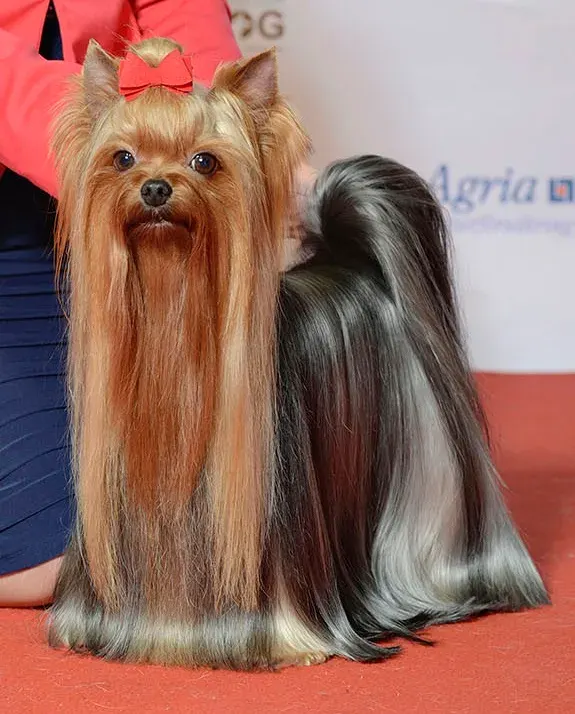
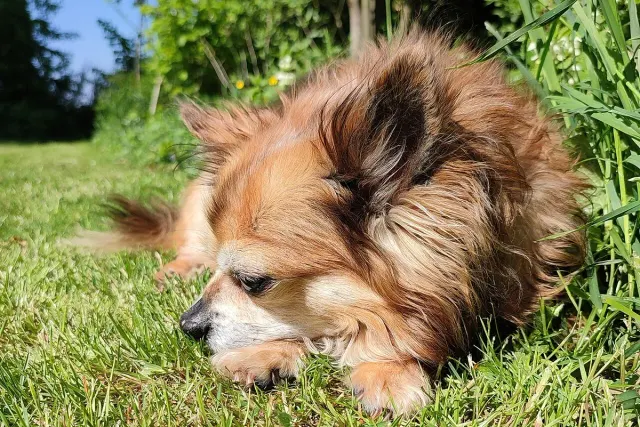
- Long coats, such as those of Bearded Collies, Lhasa Apsos and long-coated Yorkshire Terriers, need brushing every day. Some breeds also need trimming or stripping about four to six times a year, which many owners leave to a professional groomer.
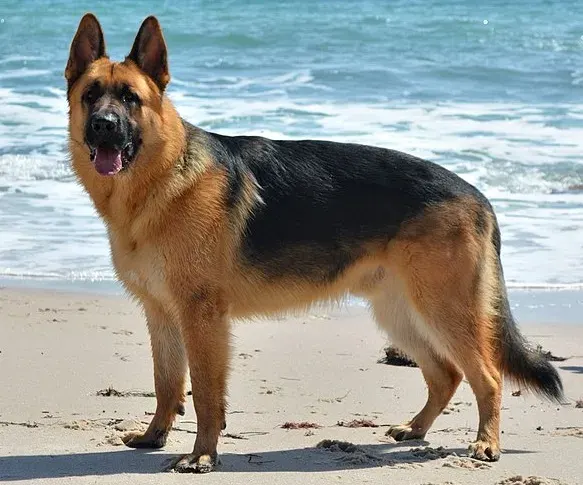
- Medium coats, such as those of spitz breeds, some spaniels and German Shepherds, need brushing a few times a week to remove dead hair, and some need trimming or stripping a couple of times a year.
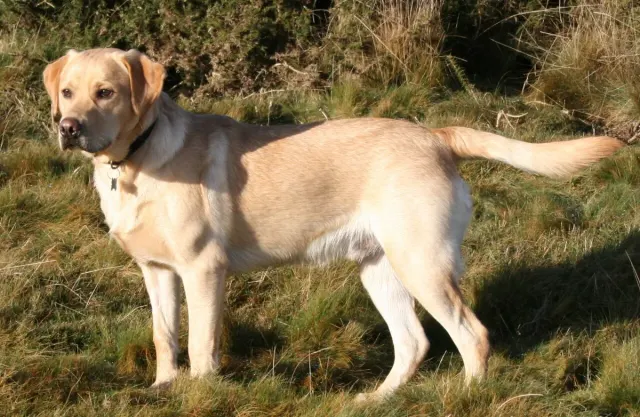
- Short coats, such as those of Staffordshire Bull Terriers, Labradors and Bull Terriers, may need brushing only about once a week, though some still need their undercoat stripped.
Two more points:
- Curly crossbreeds, such as Cockapoos and Labradoodles, may need more grooming than people expect: they shed less, but their curls tangle and knot easily, especially when wet. Brushing a few times a week helps, and some owners keep the coat clipped shorter.
- Moulting seasons. Most dogs shed more in spring and autumn, so brush more often then.
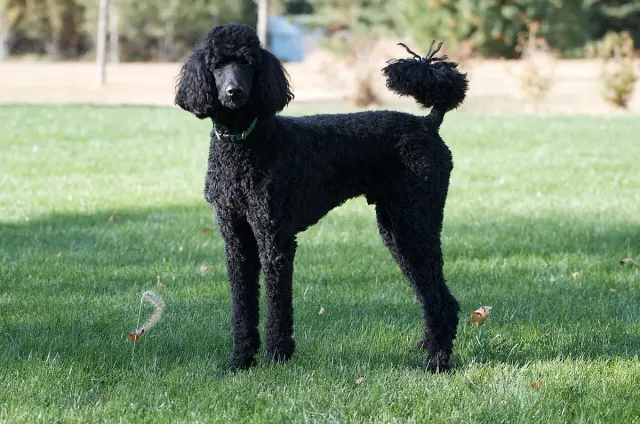
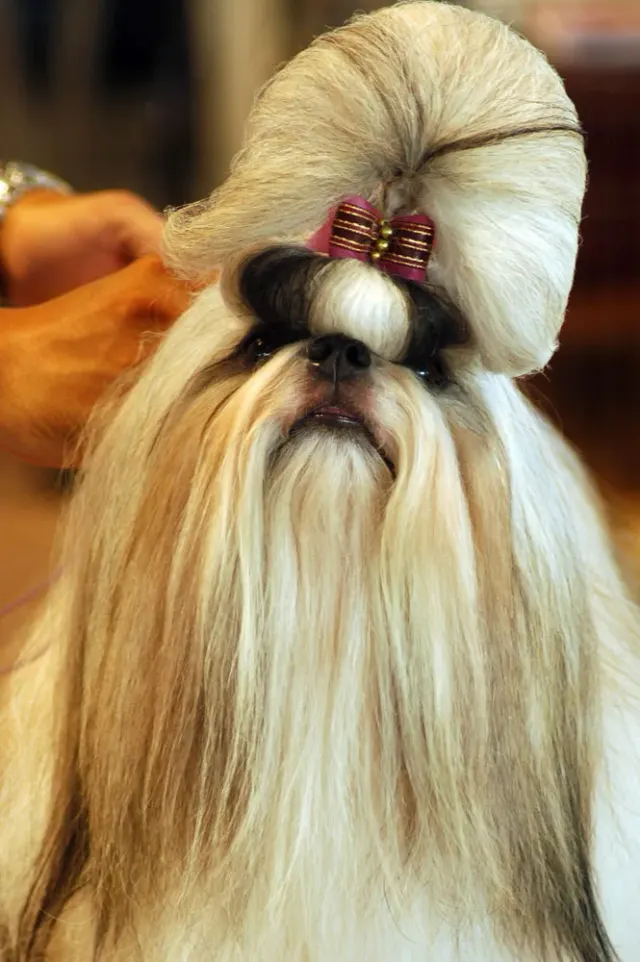
Coats that shed little, such as the Poodle or Shih Tzu, usually need the most work. Our list of breeds with the lowest grooming needs shows the easiest coats, and our guide to low-shedding dogs and allergies explains what a low-shedding coat does and does not do.
Bathing
Most dogs do not need frequent baths: the PDSA notes that shampoos can strip the coat of its natural oils, and a muddy dog can usually just be rinsed with warm water. When a bath is needed, use a dog shampoo, because human shampoos can irritate a dog’s skin, and ask your vet first if your dog has a skin condition.
Nails
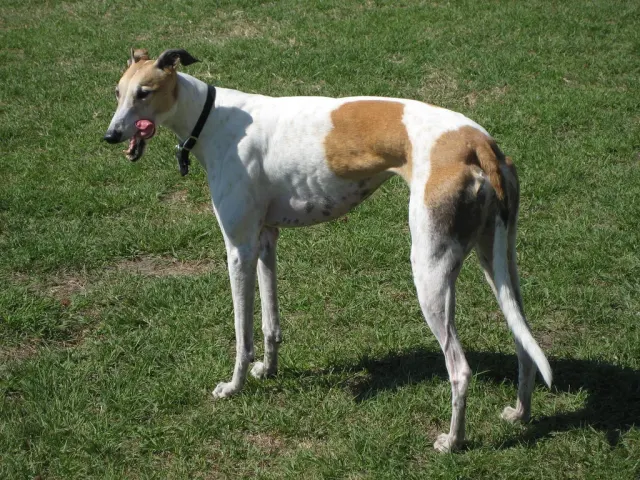
Many dogs wear their nails down through activity, but the PDSA notes that some need regular clipping, especially dogs that rarely walk on hard surfaces, dogs with bowed legs and dogs with reduced mobility. Nail clipping is common at the vet: in a UK study of more than two million dogs, 5.6% had their nails clipped at a veterinary practice in one year, with the highest odds among Chihuahuas, Beagles and Greyhounds, and overgrown, ingrown or broken nails were frequent reasons.
To clip nails at home, the PDSA advises:
- Make sure your dog is relaxed, and hold the paw in a comfortable position. A helper can be useful.
- Use dog nail clippers, never scissors or human clippers, which can crush and split the nail.
- Find the quick, the pink part inside the nail that contains blood vessels and nerves, and cut a few millimetres away from it.
- In dark nails you cannot see the quick: judge from a light-coloured nail if your dog has one, or ask your vet to show you.
- Do not forget the dewclaws, the higher claws on the inside of the leg.
- If a nail bleeds, stay calm: dip it in cornflour or press cotton wool on it until it stops.
- Give treats throughout, and stop and try another day if your dog becomes stressed.
Teeth
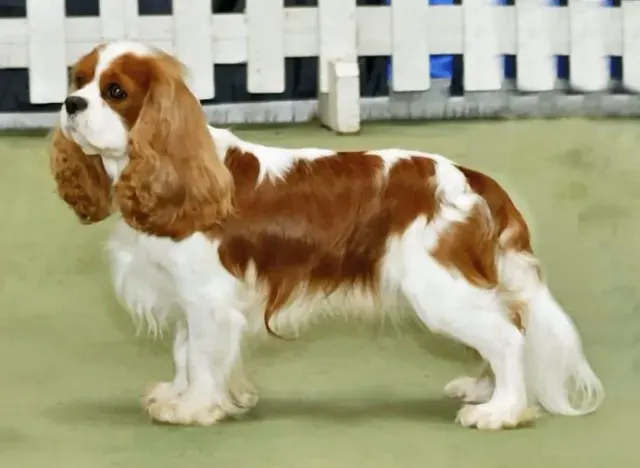
Periodontal (gum) disease is one of the most common problems in dogs. In a UK study of more than 22,000 dogs, 12.5% were diagnosed with it within a single year. Some breeds were at much higher risk, including the Toy Poodle, King Charles Spaniel, Greyhound and Cavalier King Charles Spaniel; flat-faced breeds and spaniel types had higher odds, and smaller dogs were more affected than larger ones.
- Brush every day if you can. The PDSA explains that brushing away plaque before it hardens into tartar is the best way to prevent dental disease.
- Use dog toothpaste only. Human toothpaste can contain xylitol, a sweetener that is toxic to dogs.
- Teach it step by step. Touch the outside of the lips and reward; then lift the lips; then touch the teeth and gums, rewarding at every stage, and going back a step if your dog is worried.
- Check the mouth each time you brush, or at least every week or two: look for loose, cracked or painful teeth, brown tartar, retained baby teeth in an adult dog, and unusually bad breath. Dark patches on healthy gums are usually just natural pigment.
If you notice any problem, book a vet appointment. Breed profiles such as the Yorkshire Terrier and Chihuahua explain why dental care matters so much for small dogs.
Ears
The PDSA’s advice may surprise you: most dogs do not need their ears cleaned, and many go their whole lives without it.
- Check, don’t clean. Look inside your dog’s ears regularly. If they are red, inflamed, painful, itchy or smell strongly, contact your vet before cleaning: an infection or ear mites may need treatment first.
- If your vet advises cleaning, use a dog ear cleaner: put the nozzle at the entrance of the ear, squeeze, massage the base of the ear, let your dog shake its head, then wipe the entrance with cotton wool.
- Never use cotton buds, which can push dirt deeper or damage the eardrum.
Dogs that swim often may benefit from having their ears dried afterwards, as noted in our Labrador Retriever profile.
When to use a professional groomer
Coats that need clipping, hand-stripping or regular trimming are often easier for a professional. The PDSA suggests choosing a groomer who belongs to a recognised trade body, a sign of training and good practice. Keep brushing at home between appointments, so the coat does not mat.
Your weekly grooming routine
- Brush according to coat type, checking the skin for parasites, lumps and sore spots.
- Brush the teeth every day, or as often as you can.
- Look at the ears and eyes.
- Check the nails and dewclaws, and trim them when they get long.
- Reward your dog for calm behaviour, every time.
Grooming tools and professional grooming are part of the budget for some breeds: see the real costs of owning a dog. If you are preparing for a new puppy, add a brush, nail clippers and a dog toothbrush to your list of what to buy before your puppy comes home.
Sources
Studies, veterinary and welfare organisations and breed standards this guide is based on.
- How often should you groom your pet? — PDSA (veterinary charity)
- How to clip your dog's nails — PDSA (veterinary charity)
- How to check your dog's teeth — PDSA (veterinary charity)
- How to clean a dog's ears — PDSA (veterinary charity)
- Epidemiology of periodontal disease in dogs in the UK primary-care veterinary setting (O'Neill et al., Journal of Small Animal Practice, 2021) — PubMed Central (US National Library of Medicine)
- Epidemiology and clinical management of nail clipping in dogs under UK primary veterinary care (Ahmed et al., Journal of Small Animal Practice, 2025) — PubMed (US National Library of Medicine)