Low-shedding dogs and allergies: what is true and what is not
Are some dog breeds hypoallergenic? What research on dog allergens really shows, why low-shedding still helps with hair at home, and practical steps for allergic owners.
6 min read
“Hypoallergenic” is one of the most common words in dog adverts, and one of the most misleading. Many people with allergies hope that the right breed will let them live with a dog without symptoms. The research tells a more nuanced story. This guide explains what is true, what is not, and what allergic people can realistically do.
What causes a dog allergy?
An allergy is the body reacting to something that is normally harmless. With dogs, a common trigger is dander, the tiny flakes of dead skin found in the fur. The proteins that cause the reaction are called allergens; the major dog allergen studied by researchers is called Can f 1. Hair carries these allergens around the home, which is why shedding and allergies are so often linked, but a dog that sheds little still produces them.
Typical symptoms of allergic rhinitis, the most common reaction, include sneezing, an itchy, runny or blocked nose, itchy red watery eyes and a cough, usually within minutes of contact with the trigger. People with asthma or eczema, or with allergies in the family, are more likely to develop allergies.
The myth: hypoallergenic breeds
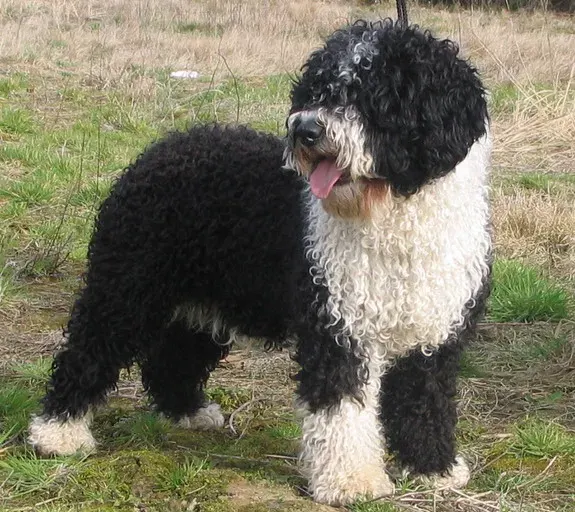
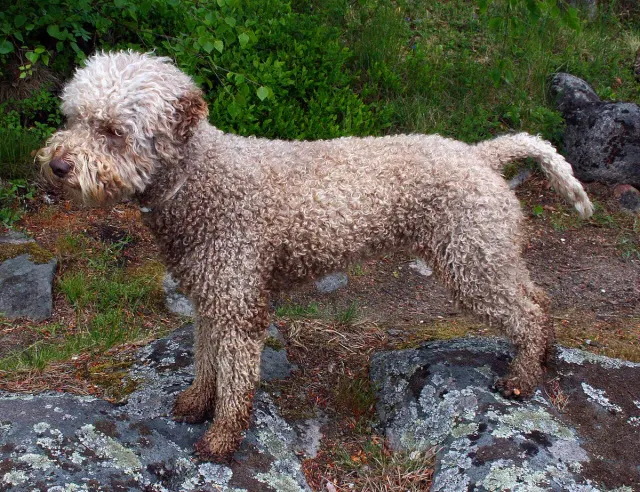
Breeds such as the Poodle, Bichon Frise, Spanish Water Dog and many crossbreeds are widely marketed as hypoallergenic, usually because they shed little hair. Several scientific studies have tested the claim:
- A Dutch study (2012) measured Can f 1 in hair and coat samples and in the homes of so-called hypoallergenic dogs (Labradoodles, Poodles, Spanish Water Dogs and Airedale Terriers) and other dogs, including Labrador Retrievers. The “hypoallergenic” dogs actually had higher allergen levels in their hair and coats, and this did not lead to more allergen in the homes. Airborne allergen levels did not differ between breeds, and the differences between breeds were small compared with the variation within each breed. The authors concluded that there is no evidence for classifying certain breeds as hypoallergenic.
- An American study (2011) compared dog allergen in dust from homes with “hypoallergenic” and other dogs, using four different ways of classifying the breeds. None of them showed any difference in allergen levels between the two groups of homes.
- A Korean study (2021) measured Can f 1 in the hair of dogs of eight small breeds and found no significant difference between breeds, but considerable variation between individual dogs of the same breed. Sex, age and neutering did not affect allergen production. The authors noted that there has been no evidence of low allergenicity in so-called hypoallergenic breeds.
In short, science does not support the idea that any breed is hypoallergenic.
Why the myth persists
The researchers behind the Dutch study note that certain breeds are described and marketed as hypoallergenic on the basis of anecdotal reports that allergic people tolerate them better. It is easy to see why the idea is attractive: a dog that leaves less hair around the home seems as if it should spread less allergen. But allergen is not only carried by loose hair, and the measurements in homes do not show the difference people expect.
One detail of the Dutch study is worth knowing. In the dust settled on floors, allergen levels were lower in homes with Labradoodles than in the other groups. In the air, however, no differences were found between breeds, and the other “hypoallergenic” breeds did not differ from the comparison dogs. A single, partial difference for one type of dog is not evidence that a whole category of breeds is safe for allergic people.
What is true about low-shedding dogs
That does not mean coat type is irrelevant:
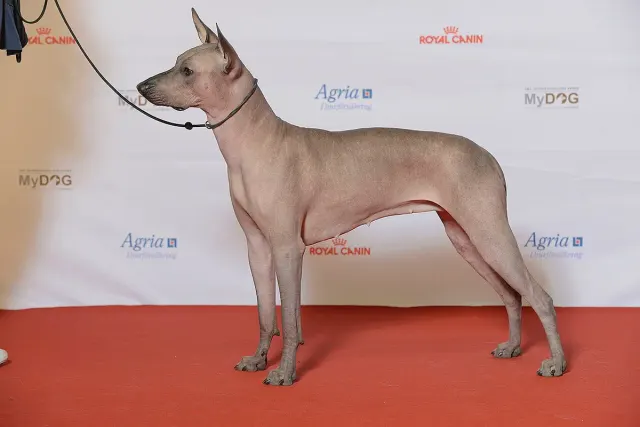
- Less hair around the home. Low-shedding and hairless dogs leave much less hair on floors, furniture and clothes, which many owners appreciate, allergic or not. Our breeds that shed the least list includes the Xoloitzcuintle, Chinese Crested, Basenji and several curly-coated breeds.
- Individuals differ. Allergen levels vary a lot from one dog to another within the same breed, so it makes sense to test your reaction to the specific dog rather than rely on its breed.
- Low-shedding coats need work. Curly and long coats that shed little usually need frequent brushing and regular professional grooming; see our low-grooming breeds if grooming time matters to you.
If you are allergic and want a dog
- See a doctor first. A doctor can confirm whether you are allergic to dogs, how strongly, and whether you also have asthma, which changes the risks. Ask about treatment options before you commit.
- Test your reaction to the specific dog. Spend time with the dog you are considering, several times and for long periods, ideally in its home.
- Involve the whole family. Everyone who will live with the dog should spend time with it, especially anyone with allergies or asthma.
- Think about the dog’s future. Giving up a dog because of allergies is hard for everyone. Being cautious before adopting or buying is kinder than rehoming later.
Treating allergy symptoms
Allergic rhinitis is often manageable. A pharmacist can advise on medicines such as antihistamines, steroid nasal sprays, and salt water sprays or rinses to clear the nose. Decongestant sprays can relieve a blocked nose, but they should only be used for a few days, as longer use can make symptoms worse, and they are not suitable for young children; always follow the pharmacist’s advice and the leaflet.
See a doctor if your symptoms get worse, affect your sleep or daily life, if you are not sure what is causing them, if pharmacy treatments do not help, or if you also have asthma that is getting worse. A doctor can prescribe other treatments and refer you to a specialist for tests if needed.
Reducing allergens at home
Health services suggest several steps that can help reduce symptoms of allergic rhinitis caused by pets:
- Keep the dog out of bedrooms.
- Wash the dog regularly and groom it outside if possible.
- Wash the dog’s bedding regularly on a hot wash and clean furniture it has been on.
- Dust with a damp cloth and use a vacuum with a HEPA filter.
- Use synthetic bedding and covers, and wash your own bedding regularly at 60 °C or above.
- Keep the home dry and well ventilated.
These steps reduce exposure; they do not remove it completely. If symptoms get worse, affect sleep or daily life, or if you also have asthma, see your doctor.
Questions to ask yourself before you commit
- Has a doctor confirmed my allergy, and do I or anyone in the household have asthma?
- Have I spent long periods with this particular dog, on several occasions, without problems?
- Am I prepared to keep the dog out of bedrooms and to wash, groom and clean regularly?
- If the dog has a low-shedding coat, can I afford the time and cost of the grooming it needs?
- What would I do if my symptoms became difficult to manage?
The bottom line
There is no allergy-free dog, and no breed can be guaranteed to be safe for an allergic person. What matters is the individual dog, the individual person, and how the home is managed. Choose with medical advice, test your reaction to the specific dog, and do not rely on the word “hypoallergenic”. If you are still choosing, our guide to choosing your first dog and our Find my breed quiz can help you weigh coat type alongside everything else.
Sources
Studies, veterinary and welfare organisations and breed standards this guide is based on.
- Can f 1 levels in hair and homes of different dog breeds: lack of evidence to describe any dog breed as hypoallergenic (Vredegoor et al., Journal of Allergy and Clinical Immunology, 2012) — PubMed (US National Library of Medicine)
- Dog allergen levels in homes with hypoallergenic compared with nonhypoallergenic dogs (Nicholas et al., American Journal of Rhinology & Allergy, 2011) — PubMed (US National Library of Medicine)
- No difference in allergenicity among small-sized dog breeds popular in Korea (Sim et al., Allergy, Asthma & Immunology Research, 2022) — PubMed Central (US National Library of Medicine)
- Allergic rhinitis — NHS