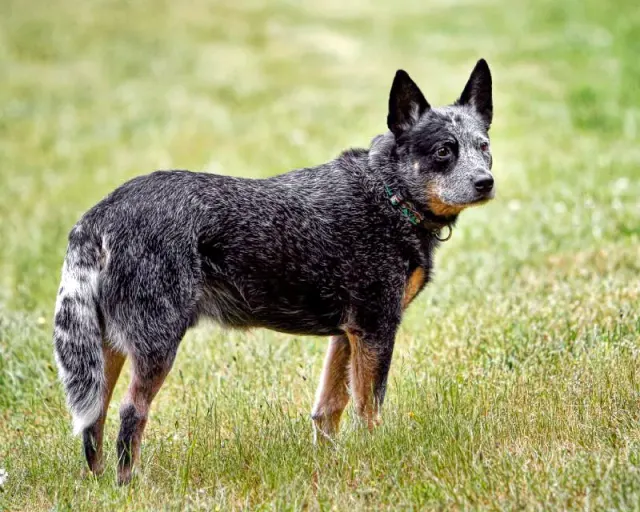
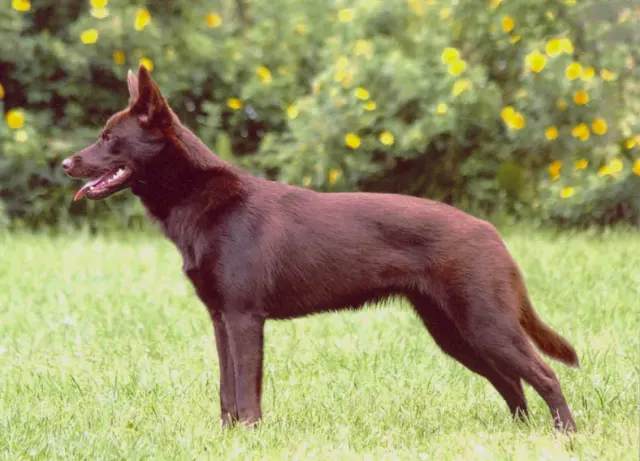
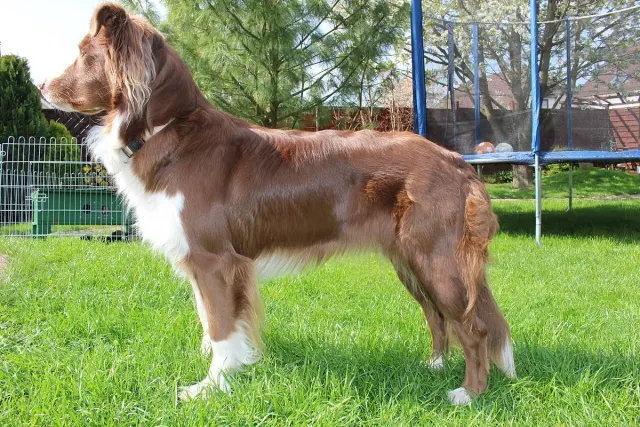
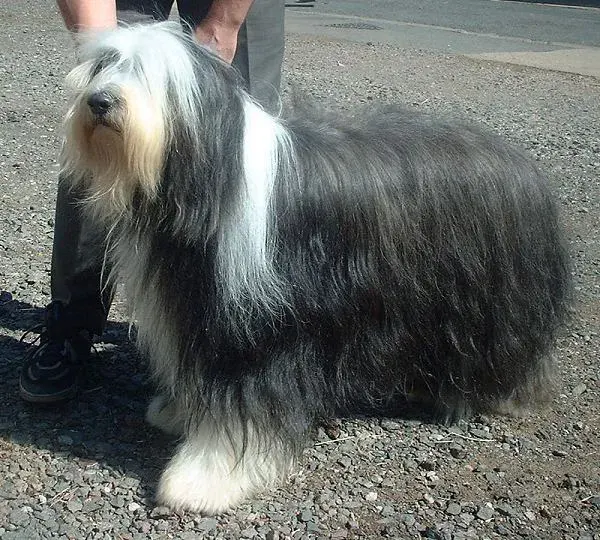
German Shepherd
Loyal, steady and remarkably versatile, the German Shepherd is both a protective family dog and an outstanding working dog.
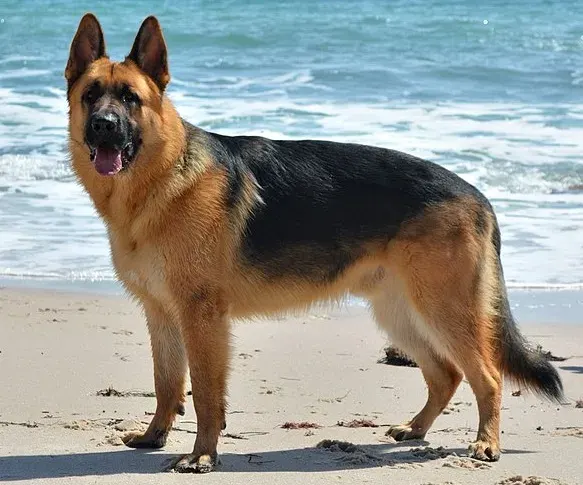
History and origins
The German Shepherd was established in Germany in the late 19th century from local herding dogs, with the aim of creating an intelligent, sturdy and obedient working dog.
Its qualities quickly took it far beyond the flock: police dog, military dog, search-and-rescue dog, guide dog… Today it is one of the best-known breeds in the world.
Temperament
Intelligent, brave and very attached to its family, the German Shepherd is a natural guardian, watchful without being aggressive when well trained. It is usually patient with the children of its household.
It needs consistent training from an early age and good socialisation to be at ease with strangers and other dogs. It copes poorly with long periods alone.
Health
Like other large breeds it can be affected by hip and elbow dysplasia, and some lines are also prone to digestive or neurological problems. Choose a breeder who screens their breeding dogs and selects for a balanced topline.
Bloat (gastric torsion) is a risk in deep-chested dogs: see a veterinarian urgently if the belly looks swollen or the dog is restless after a meal.
This is general information. For any question about your dog's health, consult a veterinarian.
Feeding
Good-quality food designed for large breeds supports steady growth in puppies and protects the joints. In adulthood, the ration depends mostly on activity level.
Two meals a day, with no intense exercise straight afterwards, are recommended.
Exercise
It needs at least one to two hours of daily activity: walks, ball games, tracking, obedience. Exercises that work its brain tire it as much as running does.
Avoid overly strenuous exercise and repeated jumping while the young dog is still growing.
In summer, walk it early in the morning and in the evening, keep it in the shade and do not shave it: the undercoat also insulates it from the sun. Apartment life is only possible with long, regular outings; a house with a garden is still better. Also watch out for scorching pavements in summer, which can burn its paw pads.
Grooming
Its double coat sheds heavily all year round, with two major moults a year. Brushing two to three times a week, and daily during the moult, is necessary.
Keep baths occasional to preserve the coat's natural protection.