Caring for a senior dog
When a dog becomes 'senior', the changes to expect, and how to adapt food, exercise, home and vet care, recognise arthritis and dementia, and judge quality of life.
7 min read
Older dogs are wonderful companions: calmer, settled in their routines and deeply bonded to their families. Ageing brings changes, some gradual and some sudden, and a little planning helps your dog stay comfortable and happy in its later years. This guide explains what to expect and how to adapt.
When is a dog “senior”?
Dogs Trust, a UK dog welfare charity, describes dogs over seven as “senior”, usually still in good health, and dogs over twelve as “geriatric”, at greater risk of health problems. The age at which a dog shows signs of ageing depends on its breed and size: smaller breeds tend to live longer than larger ones. The PDSA, a veterinary charity, suggests moving to a senior food at about half the expected lifespan, around seven years for small dogs and five for larger ones.
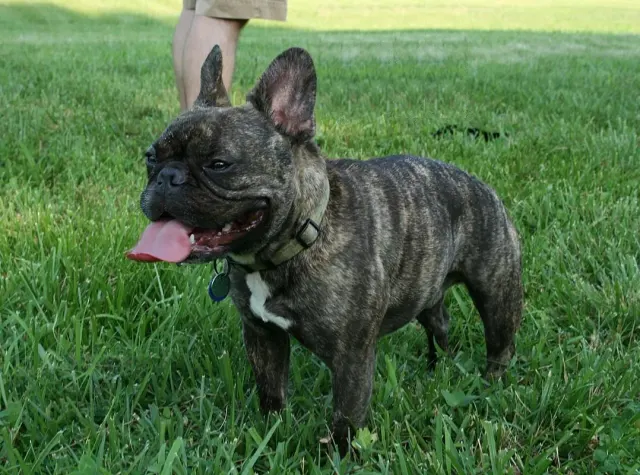
Life expectancy varies widely. In a UK study of more than 30,000 dogs, the average life expectancy of a puppy was 11.2 years, slightly longer for females than males. Among common breeds, it ranged from 12.7 years for the Jack Russell Terrier to 4.5 years for the French Bulldog. Each breed profile on Caninpedia gives a typical lifespan range; our lists of the longest-living breeds and shortest-living breeds show the extremes.
Vet checks
Dogs Trust advises twice-yearly veterinary check-ups for an ageing dog. These visits are a chance to check weight, teeth, joints, heart, eyes and any lumps, and to discuss changes you have noticed at home. Tell your vet about:
- changes in appetite, thirst or weight
- stiffness, limping or reluctance to walk, jump or climb
- new lumps or bumps
- bad breath, dropping food or chewing on one side
- cloudy eyes, bumping into things or not responding when called
- toilet accidents, restlessness at night or confusion
- more barking than usual, which can be a sign that something is troubling your dog or that it is going deaf, according to Dogs Trust
Food and weight
Older dogs are often less active and can put on weight. Dogs Trust suggests a complete senior diet and two or three smaller meals a day, with care over extra snacks and scraps. Raising the food and water bowls can help dogs with neck or back pain. The PDSA notes that eating less or drinking more than usual can be a sign of problems such as arthritis or dental disease, so keep an eye on both. Keeping your dog slim is one of the best things you can do for its joints. Our guide to dog food basics explains how to check body condition.
Exercise: little and often
Senior dogs still need daily exercise for their muscles, joints and minds. The PDSA advises:
- Keep it regular and gentle. Several short walks are better than one long one, as joints stiffen when they are not used.
- Go at your dog’s pace. If it stops chasing a toy or lies down on a walk, it needs a rest.
- Choose familiar, flat routes, especially if sight or hearing is fading.
- Watch the weather: older dogs cope less well with heat and cold; walk at cooler times in summer and consider a coat in winter.
- Keep the brain busy: scent games, gentle play and training remain possible at any age.
- Swimming can be good exercise for stiff joints, if your dog enjoys it and it is safe to get in and out of the water.
Arthritis
Arthritis (osteoarthritis) is very common in older dogs. The PDSA explains that it makes joints stiff, swollen and painful, and gets slowly worse over time. Signs include stiffness, especially after rest or after walks, limping, slowing down on walks, reluctance to jump or climb stairs, being quiet, grumpy or sleeping more, and weaker muscles in the back legs. Dogs with hip or elbow dysplasia, or old joint injuries, are particularly likely to develop it.
Arthritis cannot be cured, but well-managed dogs can live happily for many years after diagnosis. Your vet may suggest anti-inflammatory and other pain relief, a weight-loss plan if needed, physiotherapy or hydrotherapy. At home, the PDSA recommends:
- Regular short walks every day, avoiding jumping, skidding, chasing balls and rough ground.
- Encouraging your dog to get up and move a little through the day.
- A soft, supportive bed, such as memory foam, and warmth on cold days.
- Rugs or non-slip mats on slippery floors, especially where your dog spends most time.
- Ramps for steps or getting into the car, and a support harness for larger dogs who struggle.
Senses, teeth and nails
- Eyes. Cloudy eyes may mean cataracts; Dogs Trust advises speaking to your vet. Most dogs adapt well to failing sight, which is usually gradual. Avoid moving furniture and keep your dog on a lead near roads.
- Hearing. Your dog may still hear some sounds, such as a whistle, but not your voice. Dogs Trust suggests finding new ways to communicate with your dog.
- Teeth. Pay particular attention to dental health; our guide to grooming at home explains tooth brushing.
- Nails grow long more easily when walks get shorter, so check them regularly.
- Coat and lumps. Daily gentle grooming is a good opportunity to check for new lumps or bumps, which should be shown to your vet.
Canine dementia
Older dogs can develop cognitive dysfunction syndrome, often called canine dementia. The PDSA describes it as similar to Alzheimer’s disease in people, causing memory problems, confusion, anxiety and disorientation. Signs to look for include:
- getting lost or stuck in familiar places
- toilet accidents in a previously house-trained dog
- sleeping more in the day and being awake at night
- not responding to familiar commands, or seeming to forget family members
- pacing, staring into space or being less active
- barking or howling more, often at night
- changes in appetite
There is no cure, but the PDSA notes that medicines can reduce some symptoms and slow progression, and that the earlier treatment starts the better. At home, keep rooms familiar, use cues such as a radio left on in a favourite room, offer gentle brain games, retrain forgotten habits patiently, and never be angry about accidents or confusion.
Respect your old dog’s limits
Dogs Trust notes that older dogs can become less tolerant, so give your dog space, especially around young children and boisterous young dogs. Keep its bed in a quiet spot, and make sure visitors let it rest. Neutering can still have benefits in an older entire dog; ask your vet.
Quality of life
As a dog ages, or if it has a serious illness, it can be hard to notice gradual changes. The PDSA suggests checking quality of life regularly with questions such as:
- Does your dog seem in pain, shake or pant at rest, or has its pain relief stopped working?
- Can it still get up, move around and exercise gently?
- Is it still interested in food, even favourite treats?
- Can it still control its toileting and keep itself clean?
- Does it still greet you and take an interest in what is going on?
- Are there more bad days than good days?
- How are you coping with its care?
If many answers are worrying, talk to your vet. A decline does not always mean it is time to say goodbye: other treatments or changes may help. But when a dog’s suffering can no longer be relieved, euthanasia can be the kindest choice, and your vet will help you decide and prepare.
Thinking of adopting an older dog?
Dogs Trust points out that older dogs are often overlooked in rescue centres, yet they tend to come house-trained, are less destructive than puppies and are often calmer. With an older dog, “what you see is what you get”. Our guide to adopting an adult or rescue dog explains how to help one settle in.
Sources
Studies, veterinary and welfare organisations and breed standards this guide is based on.
- Rehoming and looking after an older dog — Dogs Trust
- Life tables of annual life expectancy and mortality for companion dogs in the United Kingdom (Teng et al., Scientific Reports, 2022) — PubMed Central (US National Library of Medicine)
- Exercising your senior dog — PDSA (veterinary charity)
- Arthritis in dogs — PDSA (veterinary charity)
- Dementia in pets — PDSA (veterinary charity)
- How can I tell if my pet still has a good quality of life? — PDSA (veterinary charity)
- Your dog's diet — PDSA (veterinary charity)