Exercise needs by breed type
How much exercise different types of dog need, from herding and gundog breeds to hounds, terriers and toy breeds, plus puppies, seniors, heat and mental work.
7 min read
“How much exercise does my dog need?” has no single answer. A Border Collie and a Pug are both dogs, but they were bred for very different lives. The best guide to your dog’s needs is the job its ancestors were selected for, adjusted for its age, health and personality. This guide goes through the main breed types and the principles that apply to every dog.
The basics for every dog
The PDSA, a veterinary charity, describes regular exercise as essential for both physical and mental health: fit, active dogs are less likely to suffer from arthritis, obesity and behaviour problems. Its general advice:
- At least one to two walks a day for most dogs, unless your vet advises otherwise. Some breeds need one to two hours of exercise a day, and working breeds significantly more.
- A garden is not a substitute. Walks give dogs new smells, places, people and dogs, all important for their mental wellbeing and confidence.
- Build fitness gradually before starting running, hiking or a new sport.
- Make it enjoyable. If your dog is not enjoying its walks, work out why: fear, poor fitness or boredom are common reasons.
Both kinds of walk matter: a brisk walk burns energy, while a slow, meandering walk with time to sniff is good for the mind.
Herding breeds
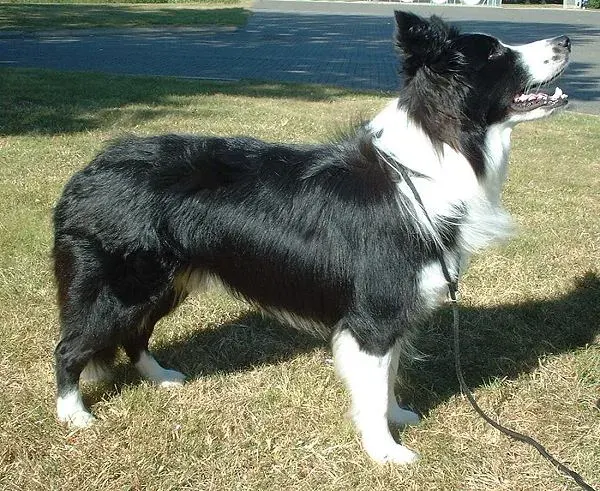
Herding (pastoral) breeds, such as the Border Collie, Australian Shepherd and German Shepherd, were bred to work livestock. The PDSA describes them as energetic, hardy and intelligent dogs that do best with a job to do and thrive on learning; herding can extend to other animals and even people.
- Combine physical exercise with real mental work: training, tricks, scent games, agility, or herding where possible.
- Teach them to settle and rest, not just to run.
- Redirect any herding of children, bikes or other pets to toys and games.
Not every herding dog has the same needs: the PDSA points out that Border Collies and Welsh Corgis are both pastoral breeds with very different requirements. Explore our herding and cattle dogs.
Gundogs: retrievers, spaniels and pointers
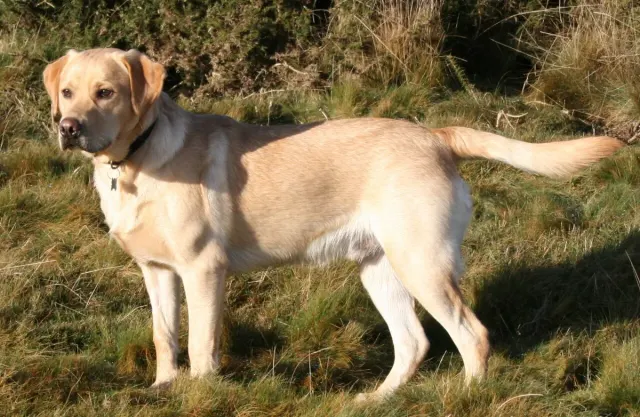
Gundogs were bred to find or retrieve game in partnership with a handler. The PDSA describes them as intelligent, usually very active dogs that need plenty of exercise and love a game of fetch.
- Retrieving games, swimming and scent work suit them well.
- Dogs bred to swim, such as many retrievers, may enjoy water; the PDSA notes that swimming is easy on the joints.
- Be careful with endless ball-throwing: the PDSA warns that quick starts and sudden stops strain the joints, and advises against it for dogs prone to joint problems. Never throw sticks, which can cause very serious injuries.
See our retrievers, flushing dogs and water dogs and pointing dogs.
Hounds: scent and sight
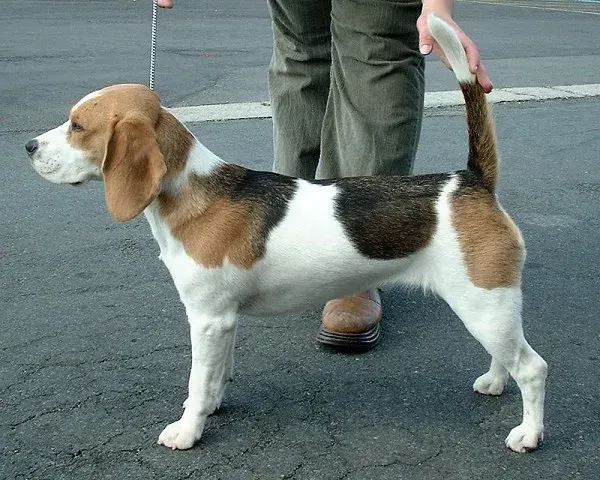
Hounds were bred to hunt by smell or by sight. The PDSA notes that both types usually have a high prey drive and love to chase and explore, yet often love to rest once they are home.
- Scent hounds, such as the Beagle, need long, sniffy walks and scent games. Their nose can override their recall, so use a long line until it is reliable.
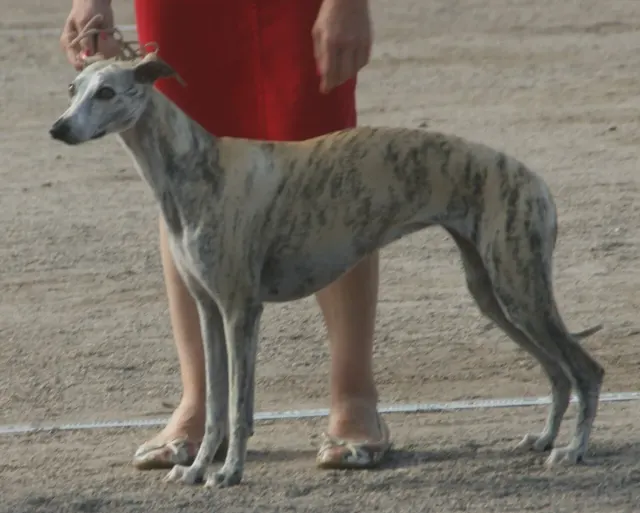
- Sighthounds, such as the Whippet and Greyhound, need the chance to sprint in a securely fenced area, but are often calm indoors.
- Keep a firm hold of the lead: the PDSA warns that hounds are often very driven to chase.
Browse our scent hounds and sighthounds.
Terriers
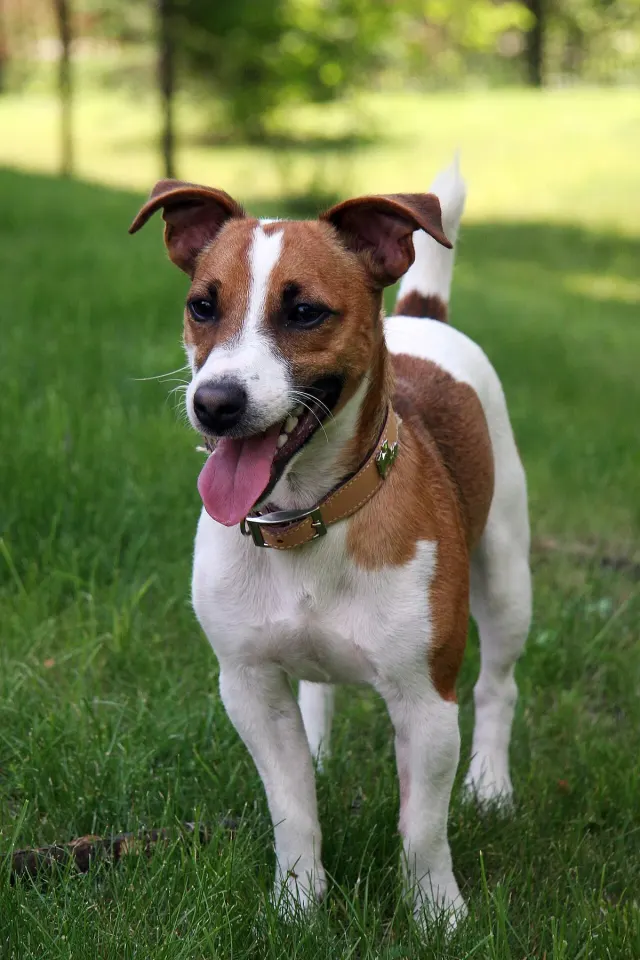
Terriers were bred to control vermin above and below ground. The PDSA describes them as active dogs with a high prey drive that love to chase and often love to dig.
- Give them outlets: toys to chase, tug games and scent or search games.
- Work on recall early and keep them on lead near livestock and wildlife.
See our terriers and the Dachshund, a short-legged earth dog with its own back-care needs.
Working and guarding breeds
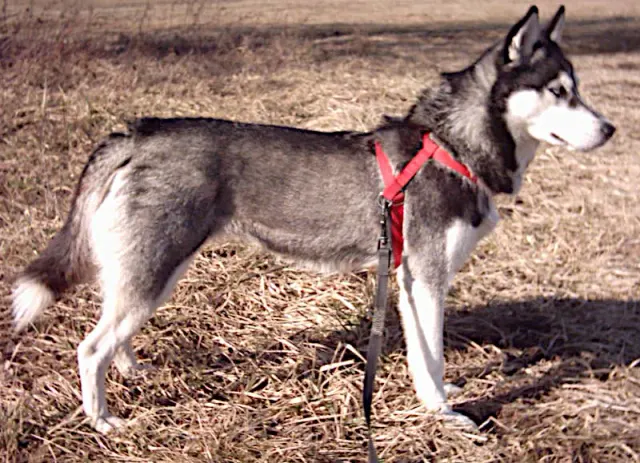
The large working and guarding breeds, from the Rottweiler and Dobermann to mountain dogs and mastiffs, are usually active dogs that enjoy being given a task, according to the PDSA, though needs vary widely. All large breeds need careful exercise while they are growing. The PDSA also counts sled dogs such as the Siberian Husky and the Alaskan Malamute among the working breeds; each breed profile describes its exercise needs. See our Pinscher, Molossoid and mountain dogs and Spitz and primitive dogs.
Companion and toy breeds
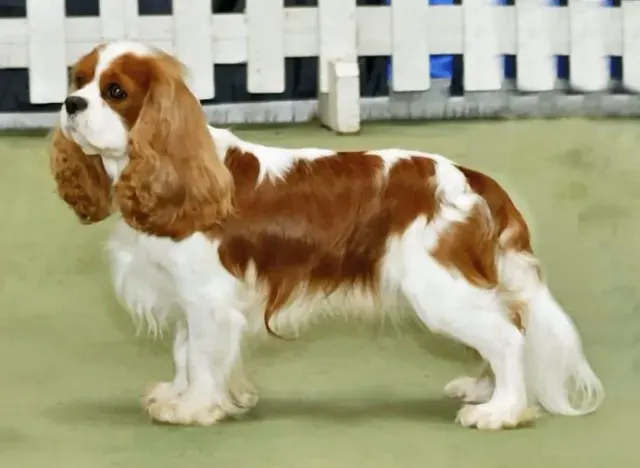
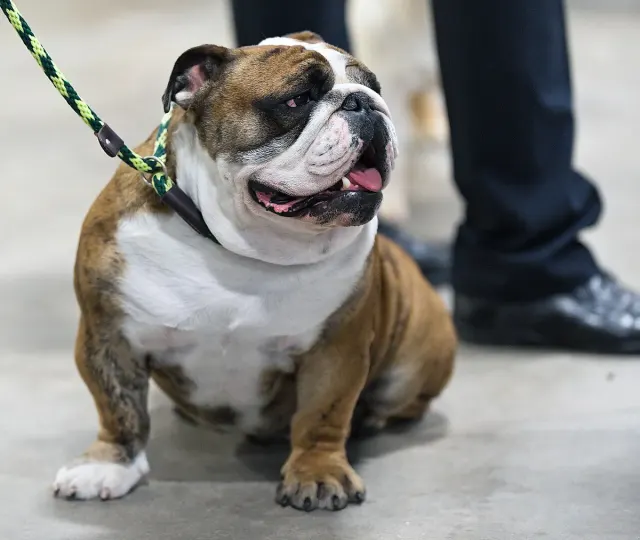
Toy breeds were bred mainly to keep people company. The PDSA notes that they often do not need a great deal of exercise and adapt well to town or country life. They still need daily walks, play and training to stay fit and confident. Flat-faced companions such as the Bulldog, French Bulldog and Pug need short, gentle walks and special care in warm weather, because they overheat easily. See our companion and toy dogs.
Mental exercise
Training is part of exercise. The PDSA recommends it as part of every dog’s daily routine, and mental work is especially important for working breeds and for dogs that are resting after illness or injury.
- Short, reward-based training sessions every day.
- Scent games: hide food or a favourite toy and let your dog search.
- Food puzzles and snuffle mats.
- Dog sports such as agility, scent work or flyball, after checking with your vet for heavy dogs or dogs with joint problems.
Puppies
Puppies need activity to grow into strong, confident adults, but their joints and growth plates are still maturing. The PDSA warns that too much high-impact exercise can damage joints and contribute to arthritis and hip dysplasia, while too little can lead to boredom and frustration.
- Keep play, short walks and training sessions short, and let your puppy rest whenever it is tired.
- Avoid running, long walks, hikes and cycling until your dog is fully grown. Most dogs are fully grown by a year, but large breeds such as Labradors, Greyhounds, Dobermanns and Great Danes may take 18 months to two years.
- Limit jumping, twisting and skidding, and cover slippery floors.
The PDSA notes that the popular “five minutes per month of age” rule has no scientific evidence behind it. Our guide to your puppy’s first 30 days covers the early weeks.
Senior dogs
Older dogs often slow down, but staying active keeps their muscles and joints healthy. The PDSA advises:
- Little and often, at your dog’s pace: shorter routes, more rest stops.
- Familiar routes for dogs whose sight or hearing is fading.
- Swimming, gentle play, scent games and training, which all remain possible.
- Care in hot or cold weather, which older dogs tolerate less well.
- A visit to the vet if your dog seems stiff or reluctant: pain relief, physiotherapy or hydrotherapy may help.
Heat and weather
Exercise is the most common trigger of heatstroke in dogs. In a UK veterinary study of 1,259 heat-related illness events, 74% of those with a known cause followed exercise, most often an ordinary walk. In warm weather, walk early in the morning or late in the evening, carry water, keep it gentle, and stop at the first sign of heavy panting. Read our guide to dogs in hot climates and heatstroke. In winter, the PDSA suggests a coat for dogs that feel the cold and high-visibility gear when it is dark.
Find your dog’s level
Every breed profile on Caninpedia gives an energy rating from 1 to 5 and exercise advice. Our lists of the most energetic breeds and the calmest breeds show both ends of the scale. If you are still choosing a dog, match its energy to the time you can really give every day; our guide to choosing your first dog explains how.
Sources
Studies, veterinary and welfare organisations and breed standards this guide is based on.
- Exercise for dogs: how much exercise does your dog need? — PDSA (veterinary charity)
- Dog breed groups — PDSA (veterinary charity)
- Exercising your puppy — PDSA (veterinary charity)
- Exercising your senior dog — PDSA (veterinary charity)
- Dogs Don't Die Just in Hot Cars: Exertional Heat-Related Illness (Heatstroke) Is a Greater Threat to UK Dogs (Hall, Carter & O'Neill, Animals, 2020) — Animals (MDPI), via PubMed Central