Dogs and children: safety rules for families
Keeping children and dogs safe together: why bites happen, the warning signs dogs give, rules for children, supervision, babies, visitors and choosing a family dog.
7 min read
Growing up with a dog can be wonderful for children: caring for a dog can encourage responsibility, empathy, exercise and fun. But dogs are animals with their own needs and limits, and children, especially young ones, do not always understand them. A few clear rules, good supervision and some knowledge of dog body language prevent most problems. This guide explains them for parents.
Why this matters
According to the World Health Organization, dog bites cause tens of millions of injuries worldwide every year, and children are the group most often bitten, with most child victims in mid-to-late childhood. Children are also more likely than adults to be bitten on the head and neck, which makes their injuries more serious.
Most bites are not attacks by strange dogs in the street. The Royal Kennel Club points out that bite incidents often happen at home, with a dog the child knows. That is why safety starts with your own dog and your own family routine.
Why dogs bite
Dogs bite for reasons such as fear, pain, frustration, being provoked, or a lack of socialisation. A dog that is cornered, startled awake, teased, or disturbed while eating, resting or playing with a toy may feel it has no other way to say “stop”. Dogs that are unwell or in pain can be more irritable than usual, so a sudden change in your dog’s behaviour is a reason to see a vet.
No dog, whatever its breed or past behaviour, can be guaranteed safe with every child all of the time. Breed lists and ratings describe tendencies, not promises.
The warning signs dogs give
Dogs usually warn before they bite. The more subtle signals come first, so learn to spot them and step in early:
- Tense or stiff body, freezing or suddenly becoming still.
- Tail tucked between the legs, or held stiffly upright.
- Whale eye: wide eyes showing the whites.
- Ears pulled back or flattened.
- Lip licking and yawning when the dog is not tired or hungry.
- Turning the head away, moving away or trying to hide.
- Growling or showing teeth. A growl is a clear warning. Never ignore it: calmly move the child away and give the dog space.
If you see any of these signs, end the interaction calmly and let the dog go somewhere quiet.
House rules for dogs and children
- Always supervise. Never leave a child and a dog alone together, even briefly, even with a family dog you trust. When you cannot watch, separate them with a door, a baby gate or a crate.
- Give the dog a safe space. A bed or room where the dog can rest without being followed. Children should never disturb it there.
- Let sleeping dogs lie. Children should not touch a dog that is sleeping, eating, chewing a toy or bone, unwell, or trying to move away.
- No face-to-face contact. Keep children’s faces away from the dog’s face.
- Calm play only. No chasing games, play fighting, teasing or pulling ears and tails. Stop games before they get too exciting.
- Give the dog an escape route. A dog should always be able to walk away from any interaction, and should not be followed.
- Keep the rules consistent. Everyone in the household, and visitors, should follow the same rules.
Young children can easily excite a dog without meaning to. Running, making loud noises and waving arms can make a dog, especially a puppy, chase them, pull at their clothes or nip their ankles. Teach children to stay calm and quiet around dogs.
Rules to teach your children
Simple, memorable rules work best. The World Health Organization’s tips for children and the Royal Kennel Club’s Safe and Sound scheme share the same messages:
- Always ask first. Ask the owner, and a parent, before touching any dog.
- Approach slowly and quietly. Let the dog see you and come to you.
- Let the dog sniff your hand, held in a loose fist, before you stroke it, then stroke it gently under the chin or on the back. If the dog moves away, leave it alone.
- Leave dogs alone when they are eating, sleeping, playing with a toy, tied up, behind a fence, in a car, with puppies, ill, or look scared or angry.
- Be a tree. If a dog jumps up or frightens you, stand still, drop what you are holding, fold your arms across your chest, tuck your chin in and do not stare at the dog, scream or run. When it moves away, walk away slowly and calmly, then tell an adult.
- Be a rock. If a dog knocks you over, do not try to get up or make sudden noises: roll onto your front, cover your face with your hands, pull your knees up and tuck yourself into a tight ball, and stay still until the dog has gone. Then tell an adult.
- Always tell an adult if a dog bites or scratches you, and which dog it was.
Babies and toddlers
Babies and toddlers cannot follow rules, so they rely completely on adult supervision.
- Use baby gates to keep the dog out of the baby’s room while still letting it see and hear what is going on.
- Never leave a baby or toddler on the floor with a dog, and never leave a dog in a room with a sleeping baby.
- As toddlers start to move, give the dog space while it eats and keep its bowl, bed and toys out of the toddler’s reach.
Visitors and other children
Children visiting your home may not know your dog or your rules. Explain the rules before they arrive, or keep your dog in its safe space with a chew while visiting children are playing. Visiting adults and children should never touch a dog without asking first.
If a bite happens
Wash the wound straight away with soap and running water for several minutes and seek medical advice. The World Health Organization recommends washing the wound with soap and running water for 15 minutes. Tell the doctor about the bite: depending on where you live and whether the dog is vaccinated, rabies treatment may be needed, as well as tetanus protection or antibiotics. Then talk to your vet and a qualified behaviourist to understand why it happened and how to prevent it.
Choosing a dog for a family with children
When you choose a dog, think about your children’s ages as well as your own lifestyle:
- Temperament matters most. Look for a dog that is calm, tolerant and enjoys people. Every breed profile on Caninpedia rates how well the breed usually gets along with children, and our best breeds for families with children list ranks them.
- Size and energy. Large, boisterous dogs can knock small children over, while very small, fragile dogs can be hurt by rough handling.
- Adult dogs from a good rescue can be a good choice, because their temperament with children is already known.
- Meet the dog with your children before you decide, and see how it reacts to them.
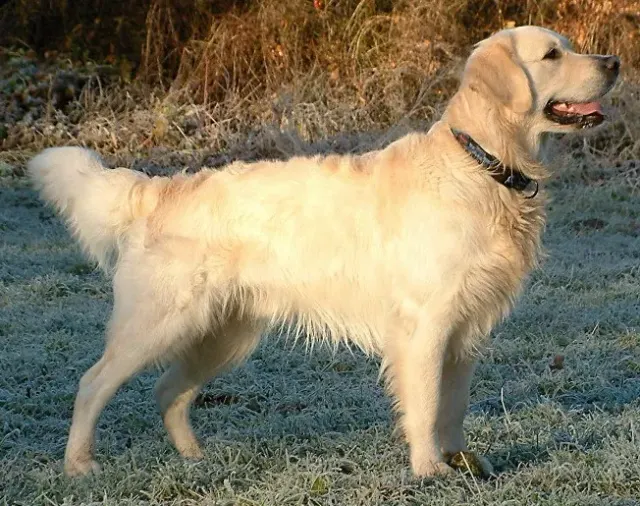
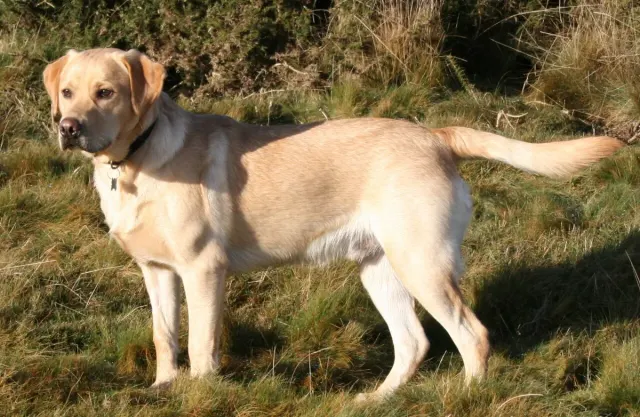
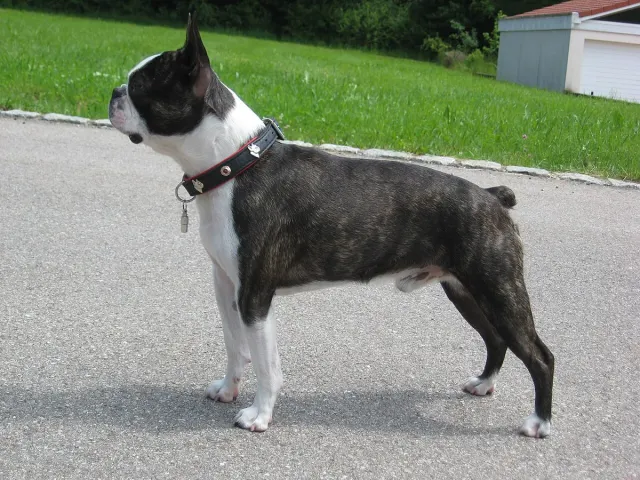
Breeds such as the Golden Retriever, Labrador Retriever, Cavalier King Charles Spaniel and Boston Terrier score highly with children in our ratings, but every individual dog is different, and the rules above apply to every dog. Our Find my breed quiz asks about children at home, and our guide to choosing your first dog covers the other questions to ask.
A safe, happy partnership
Children and dogs can be wonderful companions. Keeping that partnership safe is the adults’ responsibility: supervise, give the dog space and a place to retreat, teach children to read and respect a dog’s signals, and step in early. With these habits, your children and your dog can enjoy growing up together.
Sources
Studies, veterinary and welfare organisations and breed standards this guide is based on.
- Animal bites (fact sheet) — World Health Organization (WHO)
- 5 tips to prevent dog bites (poster for children) — World Health Organization (WHO)
- Safe and Sound scheme: safe interaction between children and dogs — The Royal Kennel Club
- How to train my dog and child to behave safely around each other — The Royal Kennel Club