Pomeranian
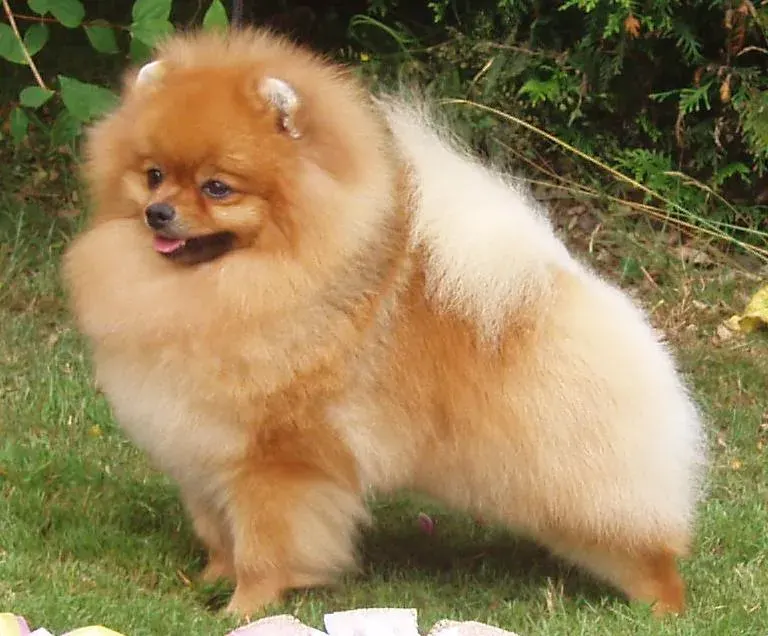
A tiny ball of fluff with a big personality, the Pomeranian is lively, playful and devoted to its owners.
History and origins
The Pomeranian is the smallest form of German Spitz. It is named after Pomerania, a historic region on the Baltic coast where larger spitz dogs were bred.
Queen Victoria helped popularise very small Pomeranians in the 19th century, and today they are among the most popular companion dogs.
Temperament
Curious, outgoing and self-assured, the Pom often thinks it is a big dog. It is an excellent watchdog that can quickly become a barker without training.
Very affectionate, it suits attentive households; with young children, play must be supervised because it is fragile.
Health
Main things to watch are kneecap luxation, tracheal collapse, dental problems and a specific hair-loss condition called alopecia X. Very small puppies can suffer low blood sugar.
Regular veterinary check-ups, especially dental ones, are recommended.
This is general information. For any question about your dog's health, consult a veterinarian.
Feeding
It eats little: choose kibble for very small dogs and measure portions carefully. Keep treats rare.
Puppies need several small meals a day.
Exercise
Daily walks and indoor games are enough to tire it out. It also enjoys learning tricks and training games.
Use a harness rather than a collar to protect its windpipe.
In summer, walk it in the cool hours, keep it somewhere cool indoors and always offer water. A tidy-up trim (not a close shave) can improve comfort. It is perfectly suited to city apartment life. Watch out for balconies and falls, which are dangerous for such a light dog.
Grooming
Its very full double coat needs brushing two to three times a week, and more during the moult. Do not shave it: the undercoat sometimes grows back poorly.
Tooth brushing is essential in this small breed.