Japan's national dog, the Akita is dignified, calm and legendarily loyal, but independent and intolerant of other dogs.
History and origins
The Akita comes from Akita Prefecture in northern Japan, where it hunted big game and guarded properties. It is designated a natural monument in Japan.
The story of Hachikō, who waited for his owner at Shibuya station for years, made its loyalty famous.
Appearance and colours
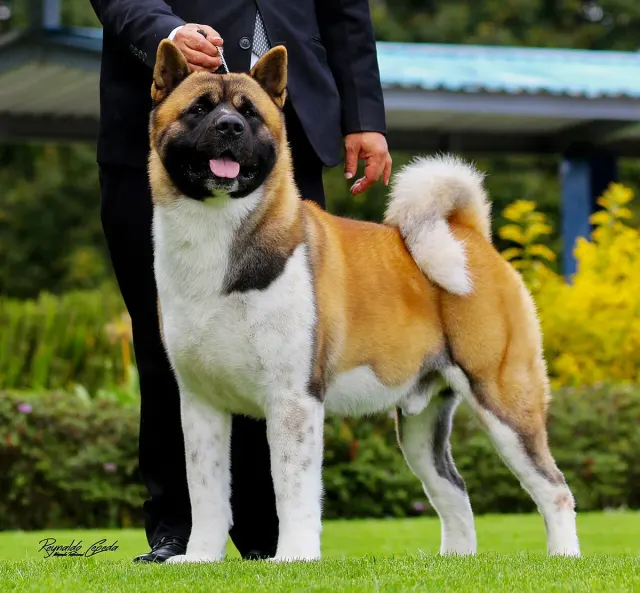
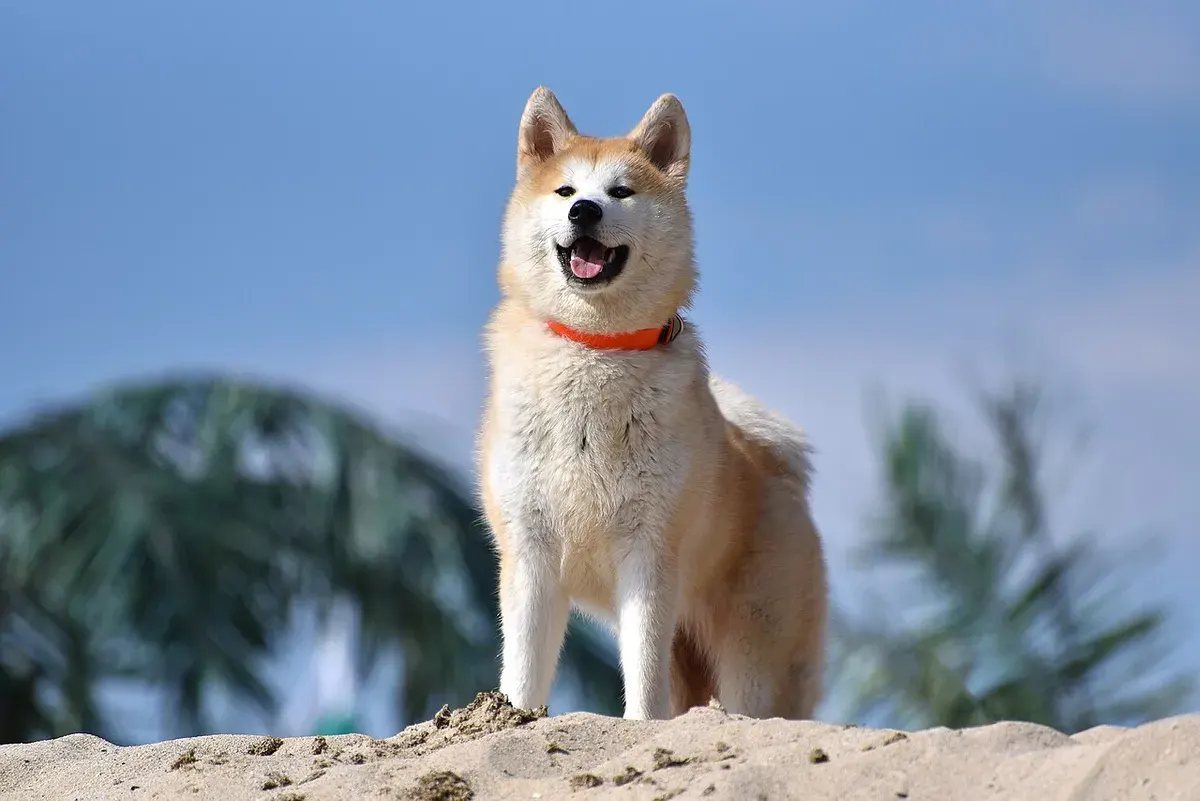
The FCI breed standard describes a large, sturdily built, well-balanced dog with much substance, "high nobility and dignity in modesty" and a tough constitution. The body is slightly longer than tall (10:11), a little longer in females. The ears are pricked and the tail is carried curled over the back.
The double coat has a harsh, straight outer coat and a soft, dense undercoat. The standard accepts red fawn, sesame (red fawn hairs with black tips), brindle and white. All colours except white must have "urajiro", a whitish coat on the sides of the muzzle, cheeks, underside of the jaw, neck, chest, body and tail and inside of the legs. A black mask, long shaggy hair and markings on a white ground are disqualifying.
- Height at the withers: 67 cm for males and 61 cm for females, with a tolerance of 3 cm either way.
Temperament
Calm, dignified and very loyal to its family, the Akita is reserved with strangers and often intolerant of other dogs, especially of the same sex.
Independent and powerful, it needs an experienced owner, early socialisation and firm, respectful training.
With children and other pets
The standard describes a composed, faithful, docile and receptive temperament. It rates 3 out of 5 with children and only 1 out of 5 with other dogs in our ratings.
- It is usually calm and loyal at home, but powerful: supervise it with children.
- Introduce it to other dogs carefully, and avoid leaving it unsupervised with dogs of the same sex.
Training tips
The standard explains that Akita Matagi, medium-sized bear-hunting dogs, were crossed with Tosas and Mastiffs from 1868, which increased their size; nine dogs were designated "Natural Monuments" of Japan in 1931, and after the Second World War breeders worked to restore the original Japanese type. It rates 2 out of 5 for trainability in our ratings.
- Start socialisation and reward-based training early, and stay calm and consistent.
- Expect independence: short, motivating sessions work better than repetition.
Health
Hip dysplasia, hypothyroidism, some autoimmune skin and eye diseases, and bloat should be monitored.
Regular veterinary follow-up is recommended.
Common health issues in detail
The Royal Kennel Club recommends three tests as best practice for breeding dogs: a DNA test for amelogenesis imperfecta / familial enamel hypoplasia (AI/FEH), an inherited defect of tooth enamel, together with hip scoring and elbow grading (BVA/KC schemes).
We found no large population study of health in the Japanese Akita.
This is general information. For any question about your dog's health, consult a veterinarian.
Feeding
Good-quality large-breed food in two meals suits it.
Avoid exercise after meals.
Exercise
It needs about an hour of daily on-lead activity, with varied walks.
Avoid dog parks.
It needs a house with a well-fenced garden and experienced owners.
Grooming
Its dense double coat needs weekly brushing, daily during its two heavy moults a year.
It is very clean.
Choosing a puppy
Choose a breeder who carries out the recommended DNA, hip and elbow tests and can explain the difference between the Akita and the American Akita.
- Ask for the parents' test results.
- Meet the mother and check that she is composed and friendly, as the standard requires; it disqualifies aggressive or overly shy dogs.
- Ask how the puppies have been socialised with people and other dogs.
Our guide on how to recognise a responsible breeder explains what to ask.
Similar breeds
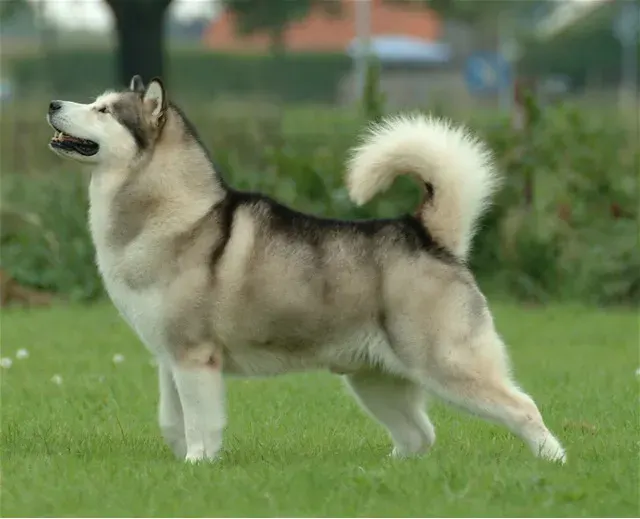
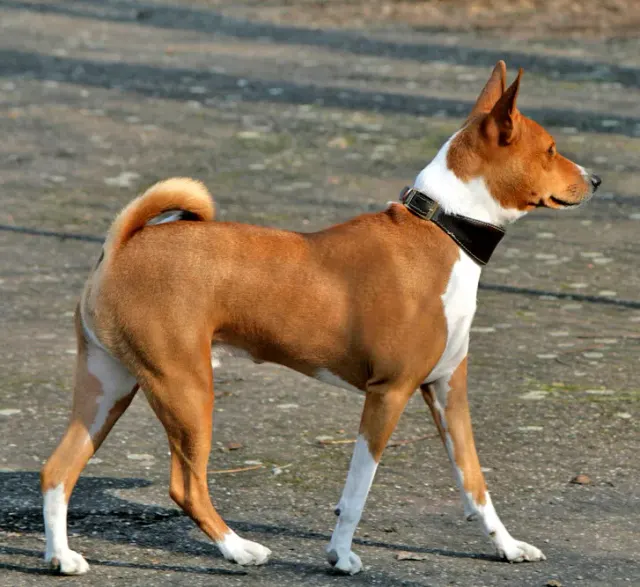
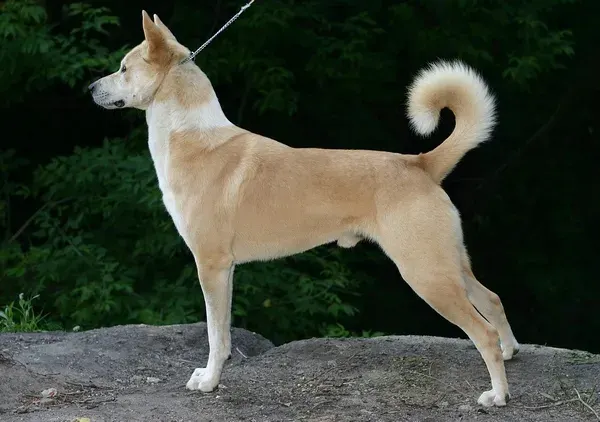
The American Akita shares the same origin but is heavier and accepts more colours. The Shiba Inu is a much smaller Japanese spitz. The Korean Jindo is another Asian spitz with a curled tail. The Siberian Husky is a medium-sized northern spitz.