Iceland's only native dog breed, this small spitz-type herder is cheerful, sociable and devoted to its family.
History and origins
The Icelandic Sheepdog is thought to have arrived in Iceland with Viking settlers. It herded sheep and horses and raised the alarm when predators or visitors approached.
Nearly extinct in the 20th century, it was saved by enthusiasts.
Appearance and colours
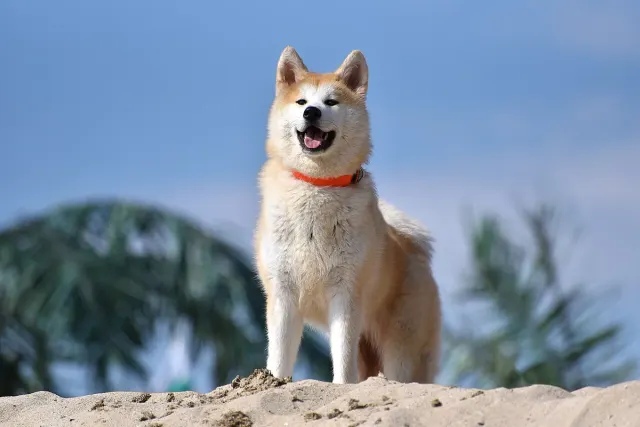
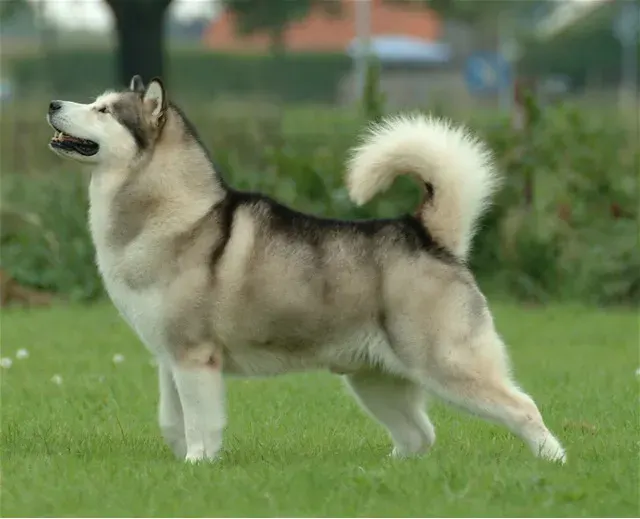
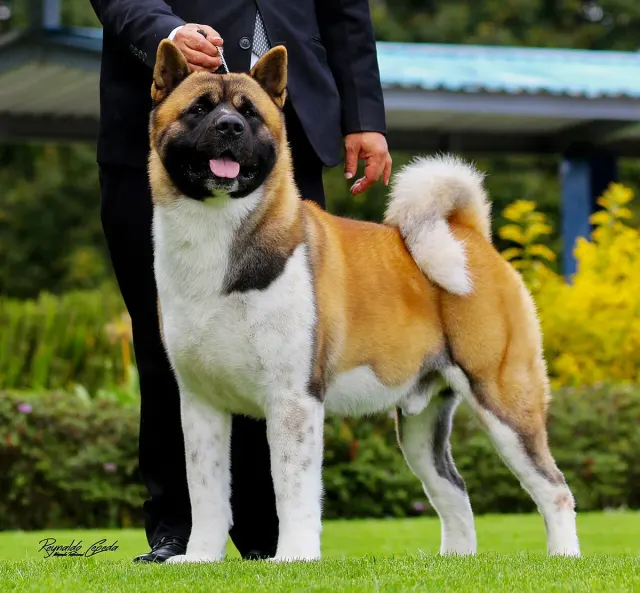
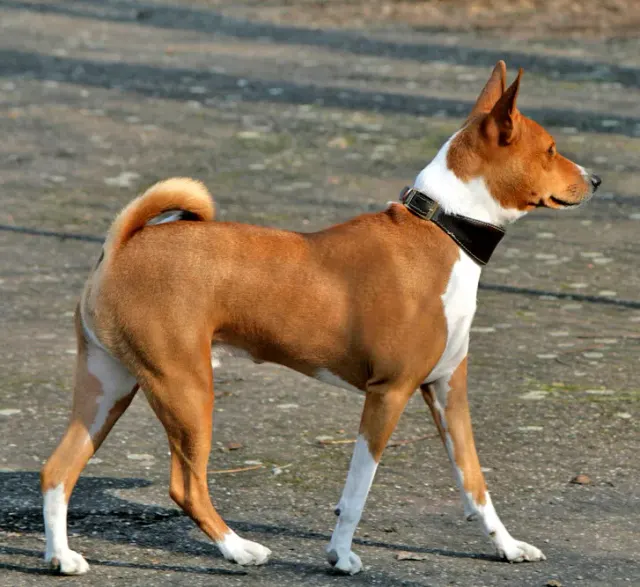
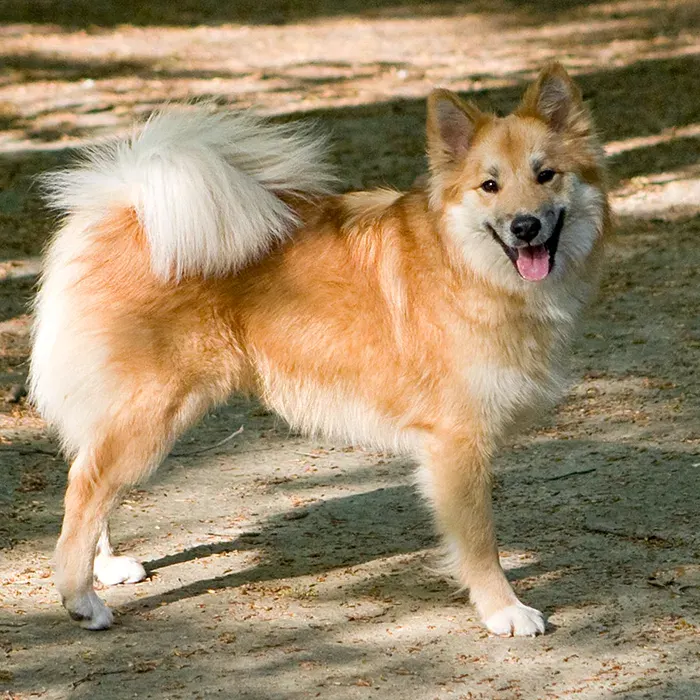
The FCI breed standard describes a Nordic herding spitz, slightly under medium size, sturdy and rectangular, with erect ears, a curled tail and a gentle, intelligent, happy expression. There are two coats, short and long, both double, thick and very weather-resistant.
Colours are fawn and red in various shades from cream to reddish-brown, grey shaded, chocolate brown and black, always with white markings.
- Ideal height at the withers: 46 cm for males, 42 cm for females.
Temperament
Cheerful, curious and very sociable, it loves children and readily welcomes visitors. It barks easily to announce anyone's presence.
Intelligent and cooperative, it learns quickly with positive training, but copes poorly with being alone.
With children and other pets
The standard describes a hardy, agile herding spitz that barks, very alert, announcing visitors without being aggressive; cheerful, friendly, inquisitive, playful and confident, with a gentle temperament. It rates 5 out of 5 with children and 4 out of 5 with other dogs in our ratings.
- It is a cheerful family dog.
- Expect barking: the breed uses its voice to work and to announce visitors.
Training tips
According to the standard, the Icelandic Sheepdog is Iceland's native breed, descended from the dogs of the first Viking settlers (AD 870–930), and became indispensable for rounding up livestock and farm work. The Royal Kennel Club calls it the ancient sheepdog of the Icelandic sagas. It rates 4 out of 5 for trainability in our ratings.
- Herding games and reward-based training suit it.
- Avoid exercise in the heat: it rates 2 out of 5 for heat tolerance.
Health
This is a fairly healthy breed. Hip dysplasia and some eye diseases should be monitored.
Regular veterinary follow-up is recommended.
This is general information. For any question about your dog's health, consult a veterinarian.
Feeding
Good-quality food matched to its activity suits it.
Watch its weight.
Exercise
It needs an hour or more of daily activity: walks, games, agility and herding.
It enjoys family activities.
In summer, walk it during the cool hours. It needs a house with a garden; its barking makes apartment life difficult.
Grooming
Its double coat (short or long) needs brushing once or twice a week, more during moults.
Remember its double hind dewclaws.
Choosing a puppy
The FCI standard says only healthy dogs with typical breed conformation should be used for breeding.
- Ask what health checks the parents have had.
- Meet the mother: she should be cheerful and friendly.
Our guide on how to recognise a responsible breeder explains what to ask.
Similar breeds
The Finnish Spitz and Norwegian Elkhound are other Nordic spitz breeds. The Shetland Sheepdog is another small island herding dog, and the German Spitz another spitz companion.