A large Russian sighthound with a silky, wavy coat, the Borzoi is elegant, calm at home and surprisingly fast at full stretch.
History and origins
The Borzoi, or Russian Wolfhound, was bred by the Russian aristocracy to course wolf, fox and hare by sight on great mounted hunts.
After the 1917 revolution, the breed survived largely thanks to breeders abroad.
Appearance and colours
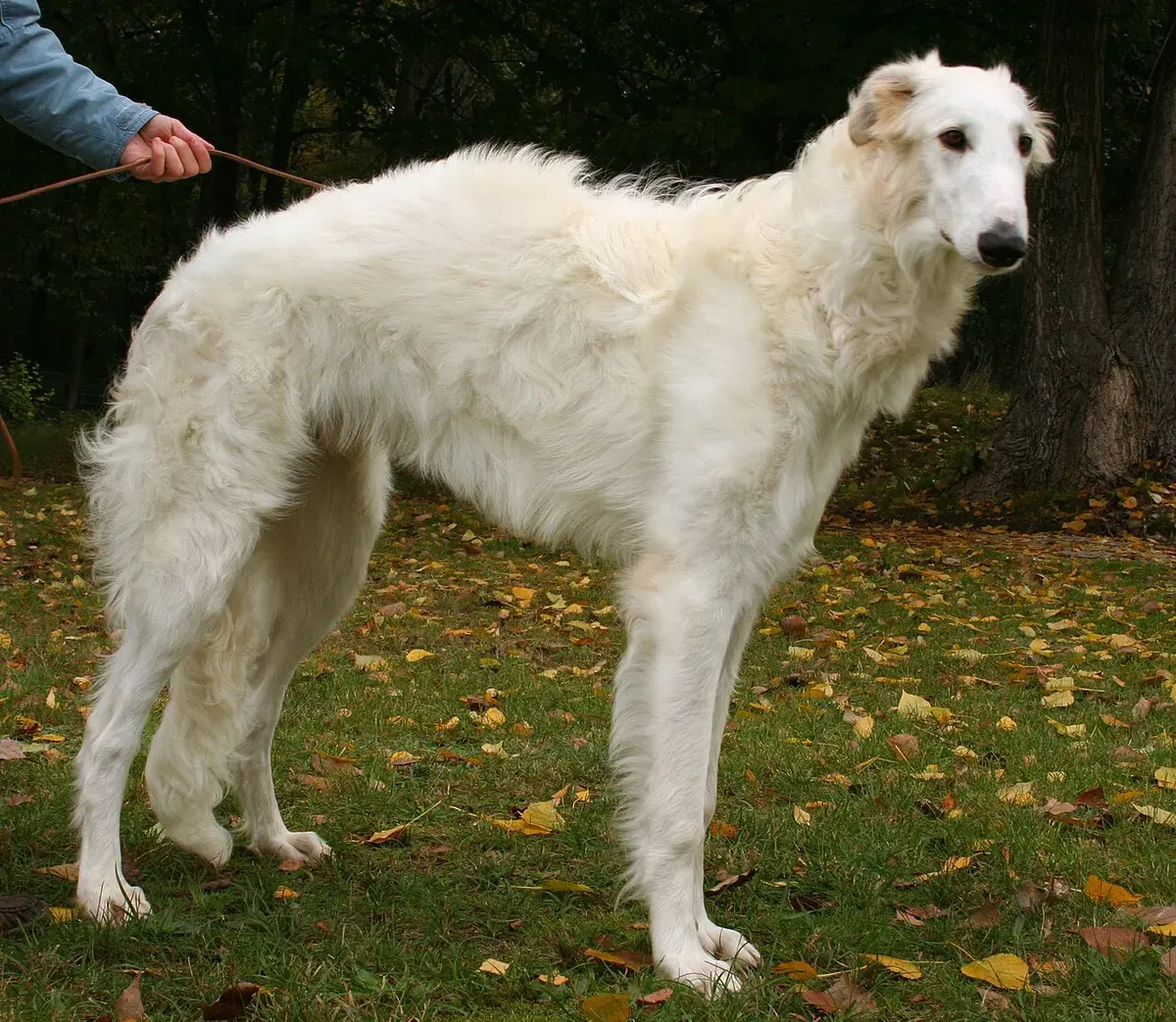
The FCI breed standard describes a dog of aristocratic appearance, tall, lean and strong, harmoniously built, rather high on the legs and fairly narrow, slightly longer than tall, with thin skin and long, lean, well-developed muscles. Its long, narrow head is so lean that the main veins show through the skin.
The coat is long, supple, silky and light, wavy or in large curls, very short on the head, ears and inner legs, longer and wavy on the back and neck, with long, shining feathering forming a "muff" on the neck and fringes on the chest, legs and tail. The Royal Kennel Club lists a wide range of colours, from white and cream to gold, red, grey, black, brindle and sable, with or without white.
- Desirable height at the withers: 75–85 cm for males, 68–78 cm for females.
Temperament
Calm, gentle and dignified, the Borzoi is affectionate with its family without being clingy. It is often reserved with strangers.
Independent, it learns through gentle training; its chase instinct is very strong.
With children and other pets
The standard describes a calm dog with a strong response to movement, whose attitude to people is neutral to friendly. It rates 3 out of 5 with children and 3 out of 5 with other dogs in our ratings.
- It is usually quiet and gentle indoors.
- Its instinct to chase is strong: be very careful with small pets and cats.
Training tips
According to the standard, the Borzoi dates back to the 15th century, when the sighthounds of the Tatars were crossed with strong Russian hunting dogs able to catch deer or elk; it was used mostly for hare and fox, less for wolf. The Royal Kennel Club calls it the wolfhound of the Imperial Russian aristocracy. It rates 2 out of 5 for trainability in our ratings.
- Use patient, gentle, reward-based training.
- Let it gallop only in securely fenced areas: once it has seen something moving, recall is unreliable.
Health
Like other large, deep-chested dogs, it is at risk of gastric torsion (bloat). Some heart and eye problems should also be monitored. It is sensitive to anaesthetics.
Regular veterinary follow-up is recommended.
Common health issues in detail
Heart disease. A study of 152 Borzoi examined by veterinary cardiologists in the United States found that trace or mild leaking of the heart valves was common, and that ventricular arrhythmias (abnormal heartbeats from the lower chambers) were found in 19% of the dogs that had an echocardiogram, most of them with little or no structural heart disease. Dilated cardiomyopathy and mitral valve disease were diagnosed at similar frequencies, and sudden death was reported in 5% of the dogs followed over time. Ask your vet about heart screening, including an ECG or Holter monitor.
The Royal Kennel Club also notes that the breed can be affected by conformational concerns.
This is general information. For any question about your dog's health, consult a veterinarian.
Feeding
Large-breed food split into two meals suits it.
No exertion just before or after meals, to limit the risk of bloat.
Exercise
It needs daily walks and free runs in a large, fully enclosed area.
Indoors, it is quiet.
It is more comfortable in cooler regions. Its large size and need to run in an enclosed space make it poorly suited to apartment life.
Grooming
Its long, silky coat needs brushing once or twice a week, more often during moults.
Check behind the ears and under the legs.
Choosing a puppy
Choose a breeder who has the parents' hearts screened by a cardiologist, including a check for arrhythmias.
- Ask for the parents' heart results and about any sudden deaths in the family.
- Meet the mother: she should be calm and friendly.
Our guide on how to recognise a responsible breeder explains what to ask.
Similar breeds
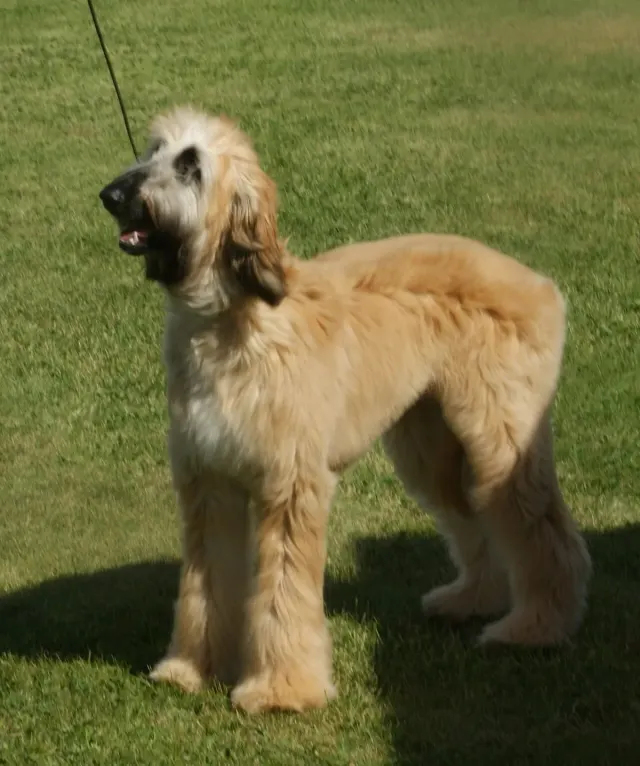
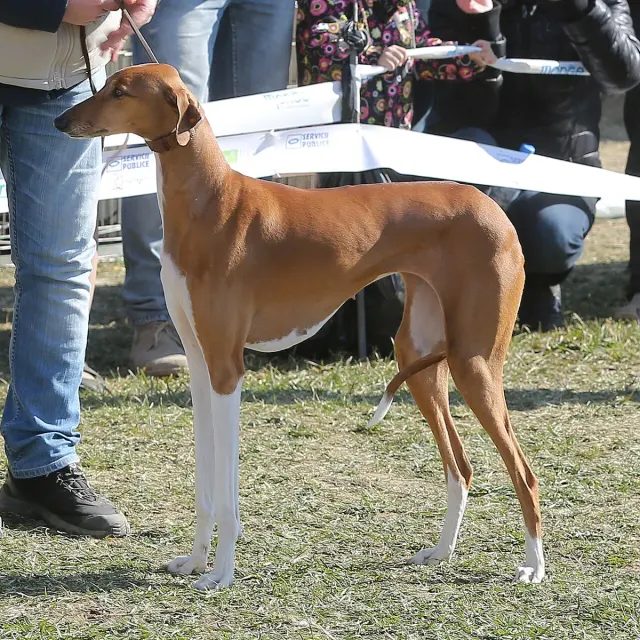
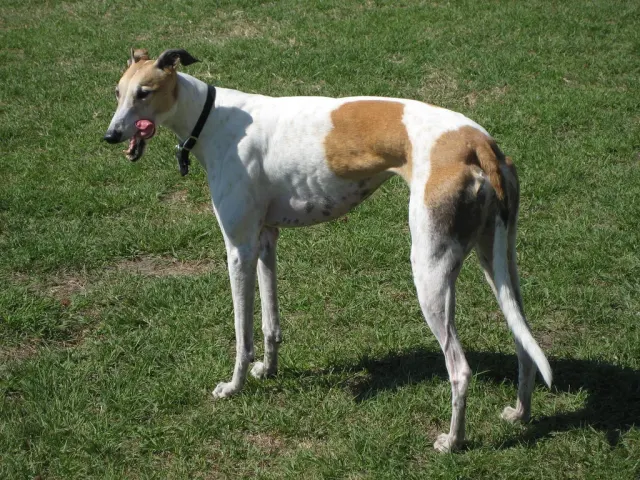
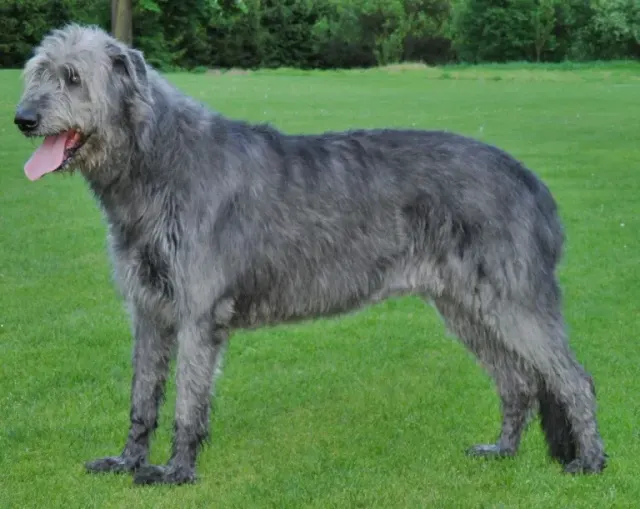
The Afghan Hound is another long-haired sighthound. The Deerhound is a tall, rough-coated sighthound. The Saluki and Greyhound are other fast, elegant sighthounds.