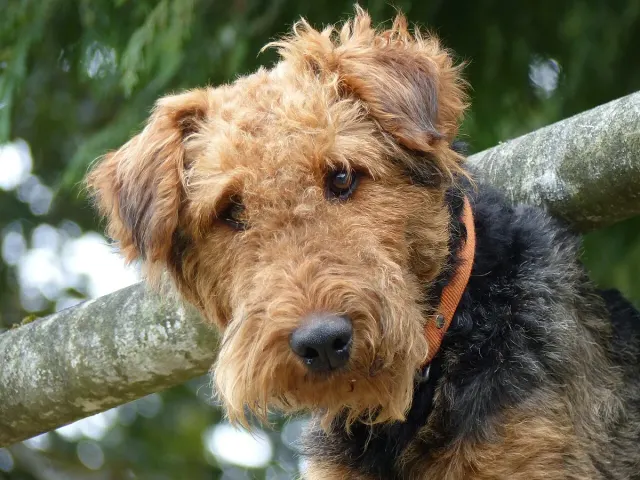
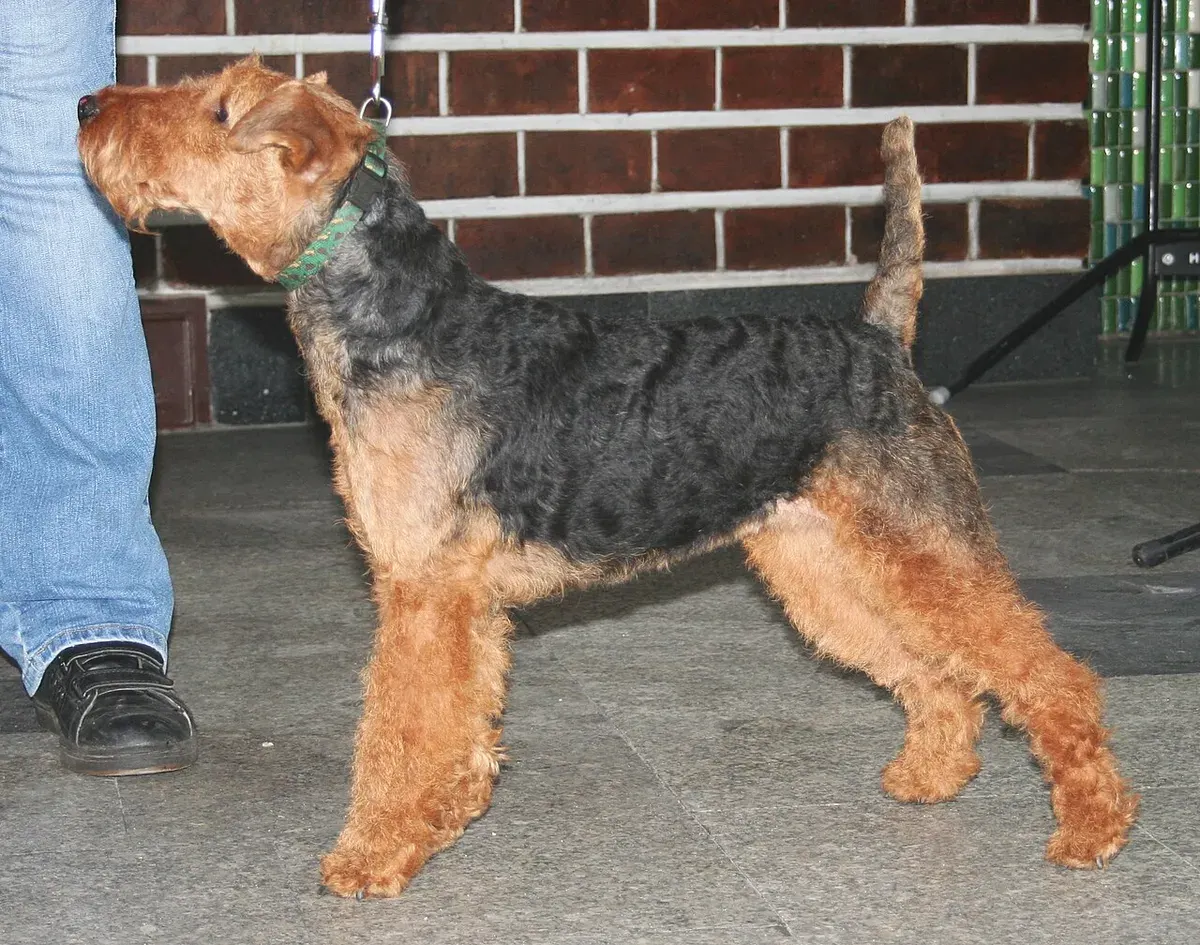
A small black-and-tan Welsh terrier, the Welshie is cheerful, well balanced and affectionate, a little less highly strung than other terriers.
History and origins
The Welsh Terrier is an old breed from Wales, used to hunt foxes, badgers and otters. It looks like a miniature Airedale.
It was recognised by the British Kennel Club in the late 19th century.
Appearance and colours
The FCI breed standard describes a smart, workmanlike, well-balanced and compact terrier. The coat is wiry, hard, very close and abundant.
The colour is preferably black and tan, or black grizzle and tan.
- Height at the withers: up to 39 cm.
- Weight: 9–9.5 kg.
Temperament
Merry, friendly and even-tempered, the Welsh Terrier is a good family companion, usually patient with children. It keeps a hunting instinct and can be stubborn.
Positive, regular training suits it well.
With children and other pets
The standard describes an affectionate, obedient and easily controlled dog, happy and volatile, rarely shy, game and fearless but definitely not aggressive, though able to hold its own. It rates 4 out of 5 with children and 3 out of 5 with other dogs in our ratings.
- It is an affectionate, lively family dog.
- Its wiry coat needs regular grooming.
Training tips
According to the standard, the Welsh Terrier has a truly working background, used to hunt fox, badger and even otter, and the Welsh and Lakeland Terriers may share a common origin from before the Roman invasion of Britain. The Royal Kennel Club notes that an early name for the breed was the Welsh Black and Tan Rough-Coated Terrier. It rates 3 out of 5 for trainability in our ratings.
- Use consistent, reward-based training.
- It rates 4 out of 5 for energy: give it daily exercise and games.
Health
This is a robust breed. Glaucoma, some allergies and hypothyroidism should be monitored.
Regular veterinary follow-up is recommended.
Common health issues in detail
The Royal Kennel Club recommends a DNA test for primary lens luxation (PLL) as a minimum for breeding dogs.
We found no large population study of health in the Welsh Terrier.
This is general information. For any question about your dog's health, consult a veterinarian.
Feeding
Food for small active dogs, in measured portions, suits it.
Watch its weight.
Exercise
It needs about an hour of daily activity, with games and varied walks.
Keep it on a lead outside safe areas.
It lives well in an apartment if walked enough.
Grooming
Its wiry coat needs weekly brushing and stripping or clipping every two to three months. It sheds little.
Clean its beard.
Choosing a puppy
Choose a breeder who does the PLL DNA test.
- Ask for the parents' PLL results.
- Meet the mother: she should be friendly and confident.
Our guide on how to recognise a responsible breeder explains what to ask.
Similar breeds
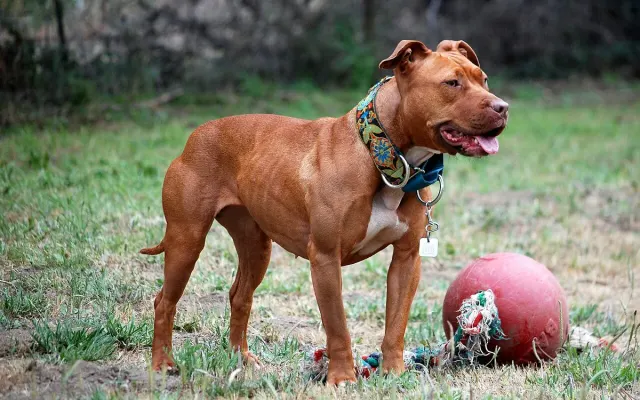
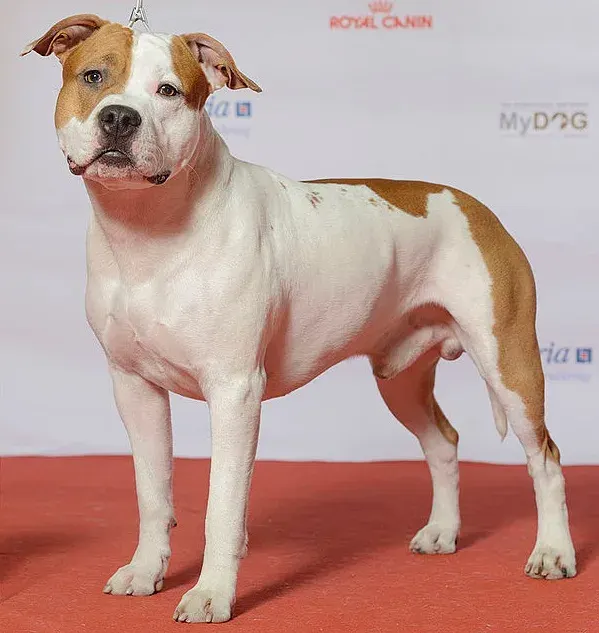
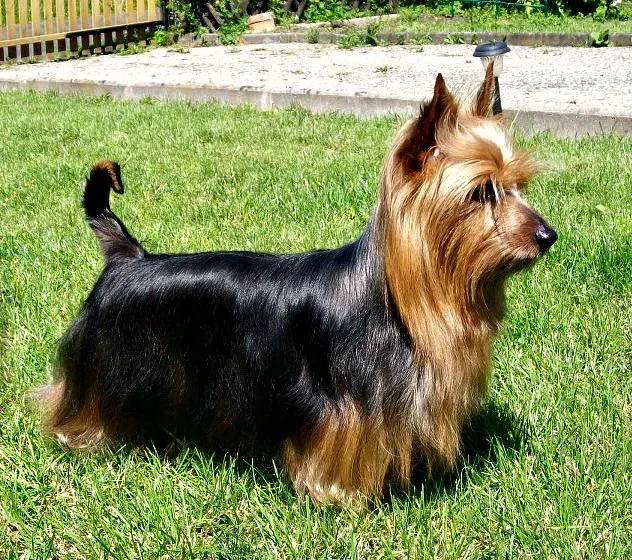
The Airedale Terrier and Irish Terrier are other long-legged terriers. The Wire Fox Terrier and German Hunting Terrier are other working terriers.