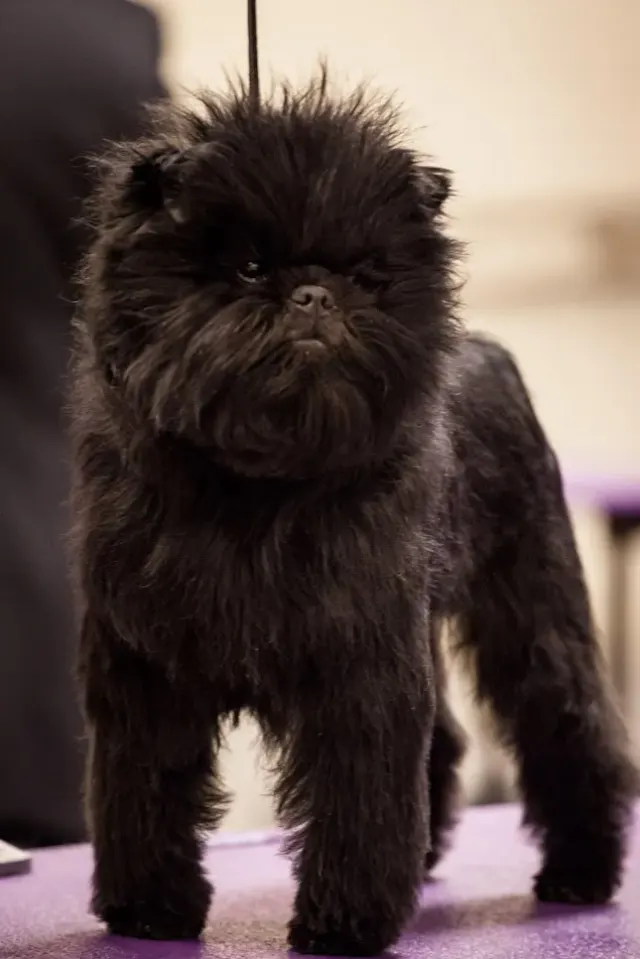
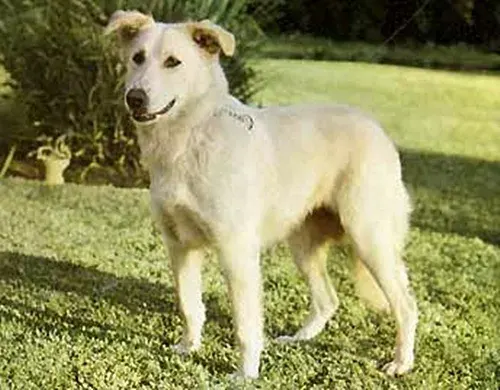
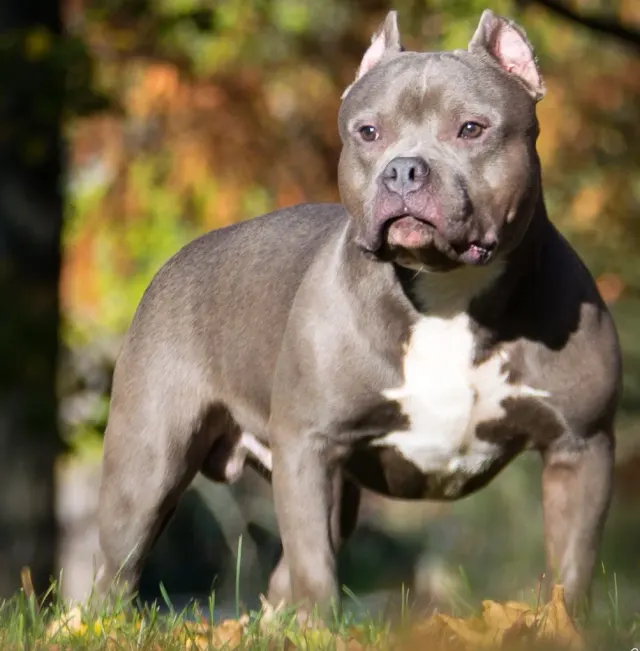
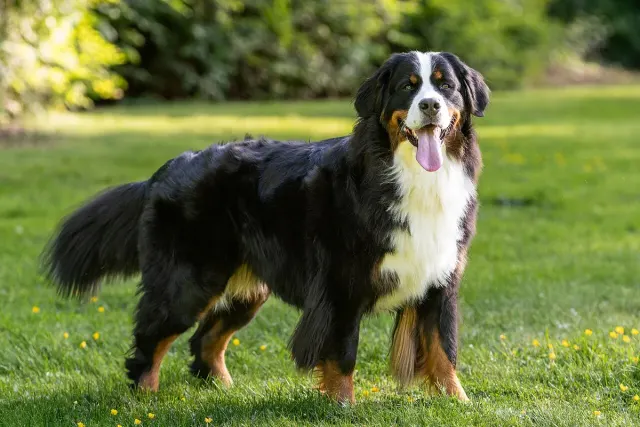
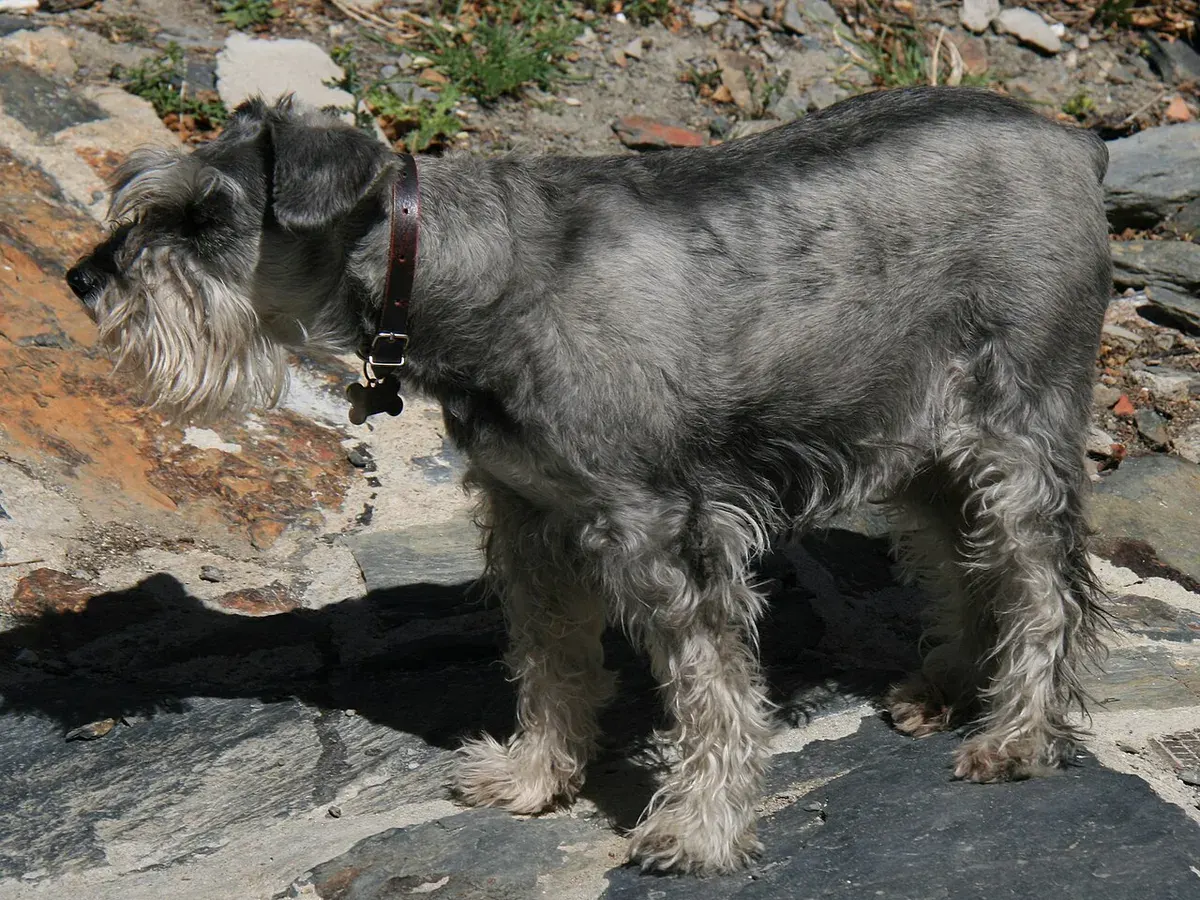
Bearded, clever and versatile, the Standard Schnauzer is a watchful, playful family dog that sheds little.
History and origins
The Standard Schnauzer is the oldest of the three Schnauzers. In southern Germany it guarded farms, caught rats and accompanied merchants' carts.
Its name comes from the German 'Schnauze', meaning muzzle, a reference to its beard.
Appearance and colours
The FCI breed standard describes a medium-sized, strong dog, stocky rather than slim, with a rough coat. The coat is wiry, harsh and dense, with a dense undercoat, a not-too-soft beard and bushy eyebrows.
Colours are pure black, or pepper and salt.
- Height at the withers: 45–50 cm.
- Weight: 14–20 kg.
Temperament
Intelligent, lively and very attached to its family, the Standard Schnauzer is an excellent watchdog. It is playful with children and reserved with strangers.
It can be stubborn, so consistent, varied training is needed.
With children and other pets
The standard describes a lively yet placid dog, good-natured, playful and proverbially devoted to its owner; it loves children, is incorruptible and alert but not noisy. It rates 4 out of 5 with children and 3 out of 5 with other dogs in our ratings.
- It is a devoted family dog and a natural watchdog.
- Its coat needs regular grooming (4 out of 5 in our ratings).
Training tips
According to the standard, the Schnauzer was used in southern Germany as a stable dog, at home among horses, killing rodents so quickly that it was called the "ratter"; in 1895 it was registered as the "rough-haired Pinscher". The Royal Kennel Club notes that Schnauzers have been known in Germany since at least the 14th century. It rates 4 out of 5 for trainability in our ratings.
- It learns well with consistent, reward-based training.
- It rates 4 out of 5 for energy: give it daily exercise.
Health
This is a fairly robust, long-lived breed. Hip dysplasia and some eye diseases have been reported.
Regular veterinary check-ups are usually enough.
Common health issues in detail
The Royal Kennel Club recommends as best practice for breeding dogs a DNA test for dilated cardiomyopathy (DCM) and hip scoring.
We found no large population study of health in the Standard Schnauzer.
This is general information. For any question about your dog's health, consult a veterinarian.
Feeding
Good-quality food matched to its activity suits it.
Avoid too many treats.
Exercise
It needs one to one and a half hours of daily activity, with games and mental work.
It excels at agility and obedience.
Being medium-sized, it can live in an apartment if it gets enough exercise and is taught to limit barking.
Grooming
Its wiry coat needs weekly brushing and stripping or clipping every two to three months. It sheds little.
Clean its beard regularly.
Choosing a puppy
Choose a breeder who does the DCM DNA test and hip-scores the parents.
- Ask for the parents' DCM and hip results.
- Meet the mother: she should be lively and friendly.
Our guide on how to recognise a responsible breeder explains what to ask.
Similar breeds
The Miniature Schnauzer and Giant Schnauzer are its smaller and larger relatives. The German Pinscher is its smooth-coated cousin, and the Kerry Blue Terrier another bearded dog of similar size.