Sloughi
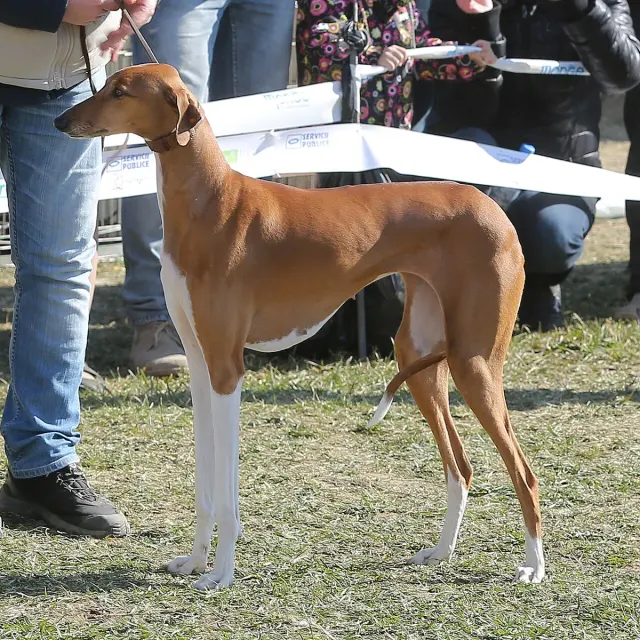
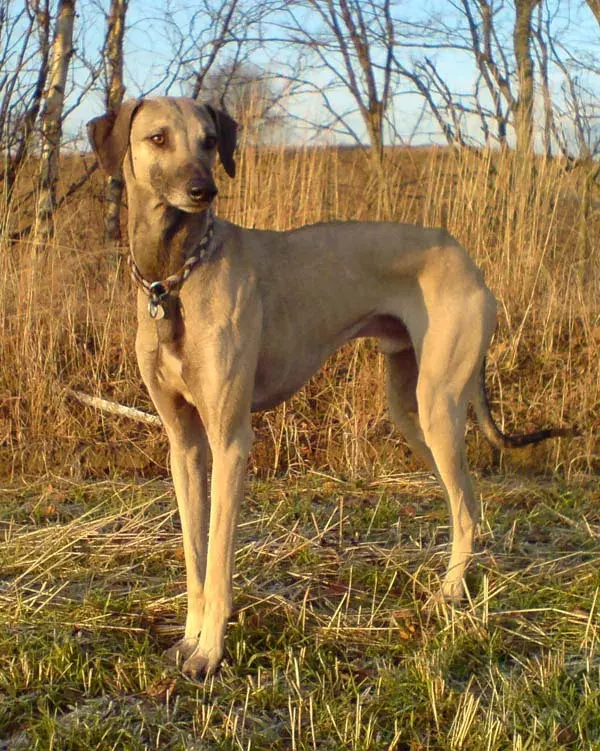
A smooth-coated sighthound from the Maghreb, the Sloughi is an elegant, fast hunter that is calm and reserved at home and deeply attached to its family.
History and origins
The Sloughi is a North African sighthound, bred for centuries in the steppe and pre-Saharan regions of the Maghreb. Hunting by sight, it chased hares, gazelles and jackals for nomadic families and horsemen, who held it in high regard.
Morocco is the breed's country of origin with the Fédération Cynologique Internationale. It differs from the Saluki in its always-short coat and plainer outline.
Temperament
Sensitive, proud and often reserved with strangers, the Sloughi forms a very strong bond with its people. Indoors it is usually calm and quiet; outdoors, its chasing instinct can take over at the sight of a running animal.
It responds poorly to harshness: gentle, patient, reward-based training works best.
Health
This is a generally hardy breed. Inherited eye conditions have been reported in some lines, so ask the breeder which health screenings have been done.
Like many sighthounds, it carries very little body fat; talk to your veterinarian before any anaesthesia and see them regularly for appropriate follow-up.
This is general information. For any question about your dog's health, consult a veterinarian.
Feeding
A Sloughi should stay lean; slightly visible ribs are normal in a fit sighthound. Good-quality food in portions matched to its activity helps avoid both excessive thinness and weight gain.
As with other large, deep-chested dogs, it is best to split the daily ration into two meals and avoid running straight after eating.
Exercise
It needs daily outings and, ideally, the chance to gallop freely several times a week in a fully enclosed, safe area. Its recall is often unreliable around game.
Outside these running sessions, it enjoys long periods of quiet rest.
Being calm indoors, it can live in a city if it gets daily walks and regular chances to run safely, but a house with a securely fenced garden is still preferable. Keep it on a lead near roads: it may bolt after a cat.
Grooming
Its short, fine coat needs very little care: a grooming mitt or soft brush once a week is enough. Its thin skin is prone to scrapes, so check it after walks in the countryside.
Include nails, teeth and ears in regular care.