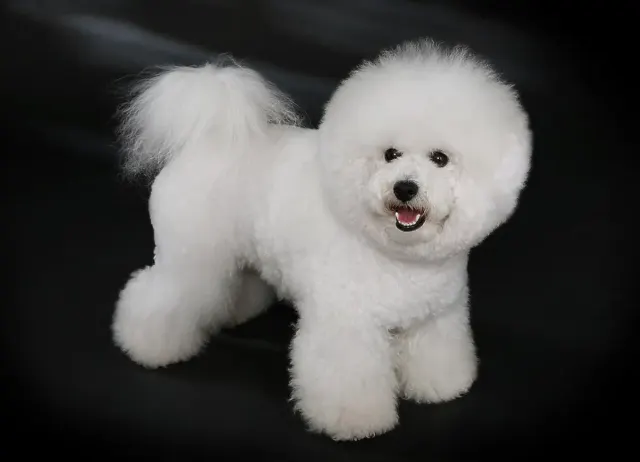
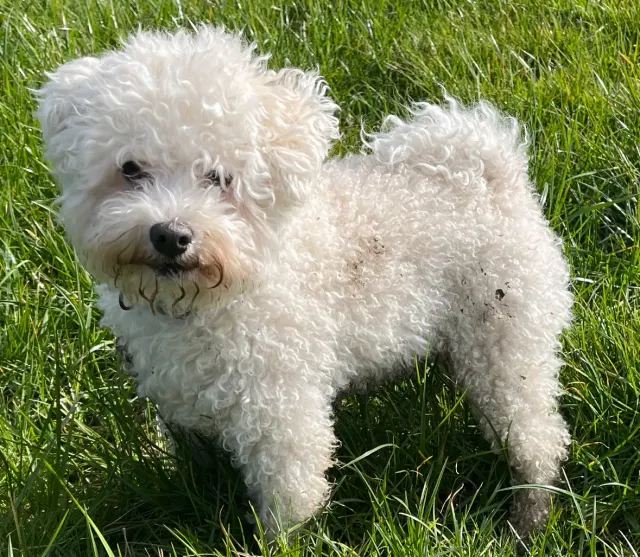
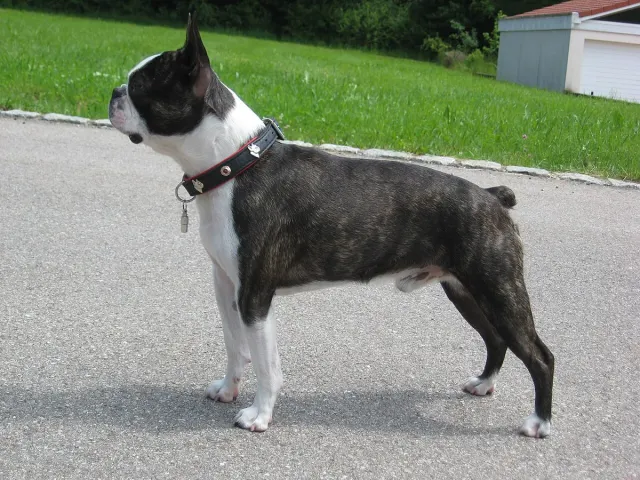
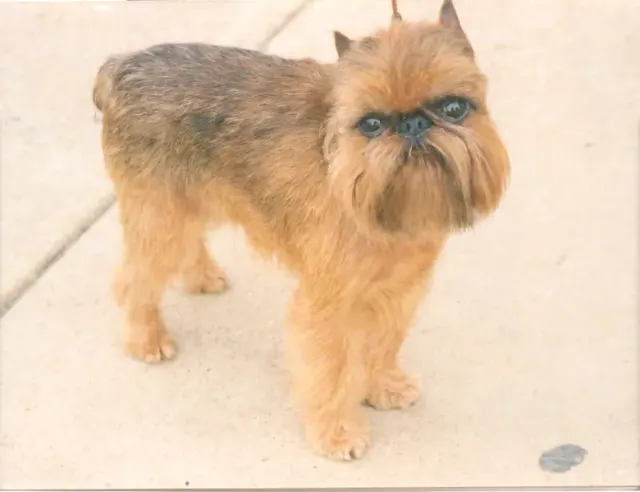
Famous for its traditional 'little lion' clip, this European bichon is cheerful, lively and very affectionate.
History and origins
The Löwchen, or 'little lion dog', is an old European breed seen in paintings and tapestries since the Renaissance. It was a favourite companion of noblewomen.
After becoming extremely rare in the 20th century, it was saved by a few breeders.
Appearance and colours
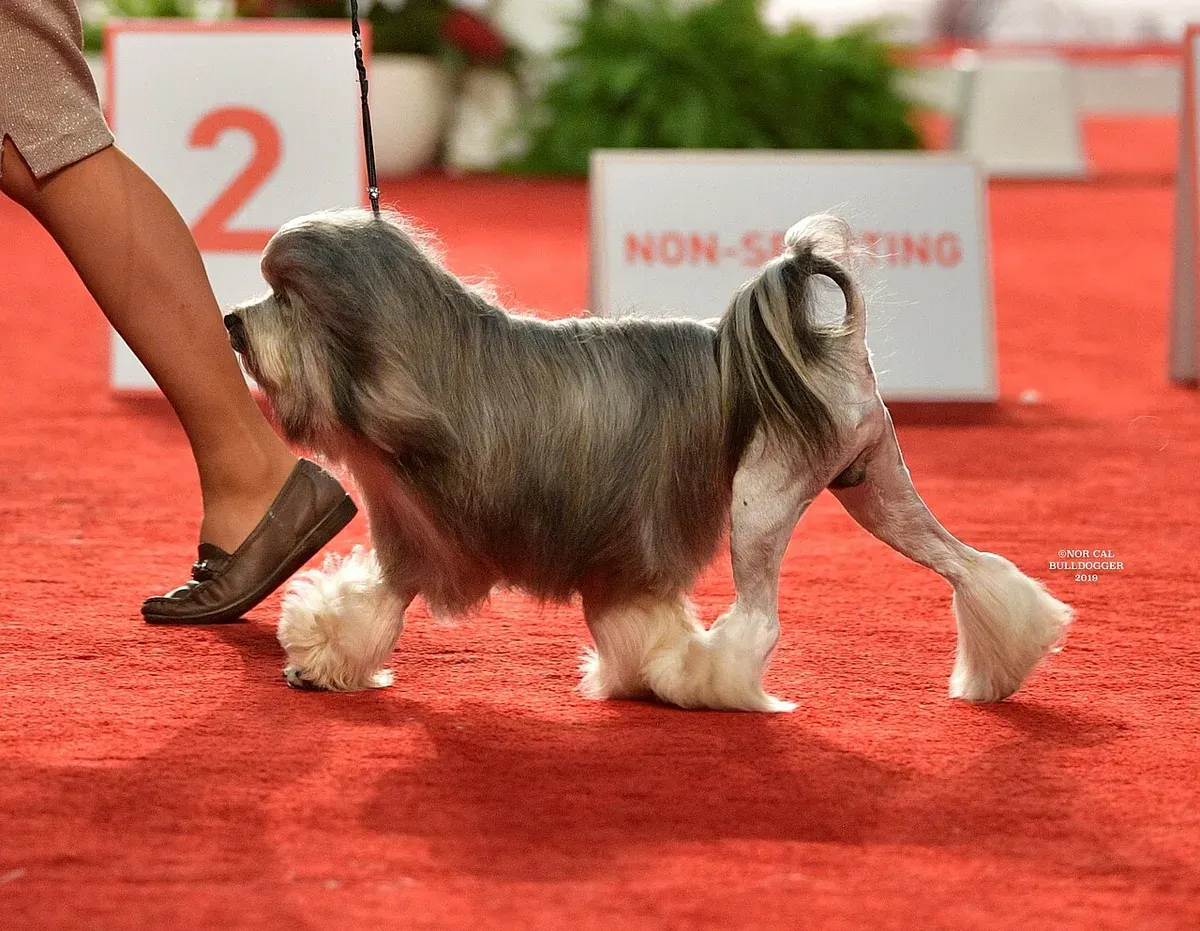
The FCI breed standard describes a small, intelligent, cheerful dog with a lively, alert expression, robust with good bone, a short, well-proportioned body and a head carried high; its proud movement is set off by the floating mane of the lion clip, which is obligatory for showing. The coat is silky, long, wavy and dense, without undercoat.
All colours and colour combinations are permitted.
- Height at the withers: 26–32 cm (± 1 cm).
- Weight: about 6 kg.
Temperament
Cheerful, lively and affectionate, the Löwchen is sociable with children and other animals. It is watchful and barks to alert.
Intelligent, it learns well with positive training.
With children and other pets
The standard describes a very affectionate dog, obedient with its owners, attentive and receptive, at ease in all circumstances and able to be calm and discreet on command. It rates 4 out of 5 with children and 4 out of 5 with other dogs in our ratings.
- It is an affectionate family companion.
- Its long coat needs regular brushing.
Training tips
According to the standard, two Löwchen are carved in stone in Amiens Cathedral, built from the 13th century; the dog appears in 15th-century tapestries and 17th-century paintings, was cherished at the court of Burgundy, and was once called the "Bichon Little Lion Dog". The Royal Kennel Club notes that, despite its German name, it is thought to be French. It rates 4 out of 5 for trainability in our ratings.
- It learns easily with short, reward-based sessions.
- It enjoys games and daily walks.
Health
This is a fairly healthy breed. Kneecap luxation and some eye conditions should be monitored.
Regular veterinary follow-up is recommended.
This is general information. For any question about your dog's health, consult a veterinarian.
Feeding
Small-breed food in measured portions suits it.
Avoid excess weight.
Exercise
Daily walks and play, about an hour in all, are enough.
It enjoys learning tricks.
It lives very well in an apartment if walked daily.
Grooming
Its long, wavy coat sheds very little: brush two to three times a week. The 'lion' clip is not required for a companion dog.
Clean its ears and teeth.
Choosing a puppy
The FCI standard says only healthy dogs with typical breed conformation should be used for breeding.
- Ask what health checks the parents have had.
- Meet the mother: she should be cheerful and affectionate.
Our guide on how to recognise a responsible breeder explains what to ask.
Similar breeds
The Bichon Frise, Bolognese, Havanese and Maltese are other small Bichon-type companions.