Bullmastiff
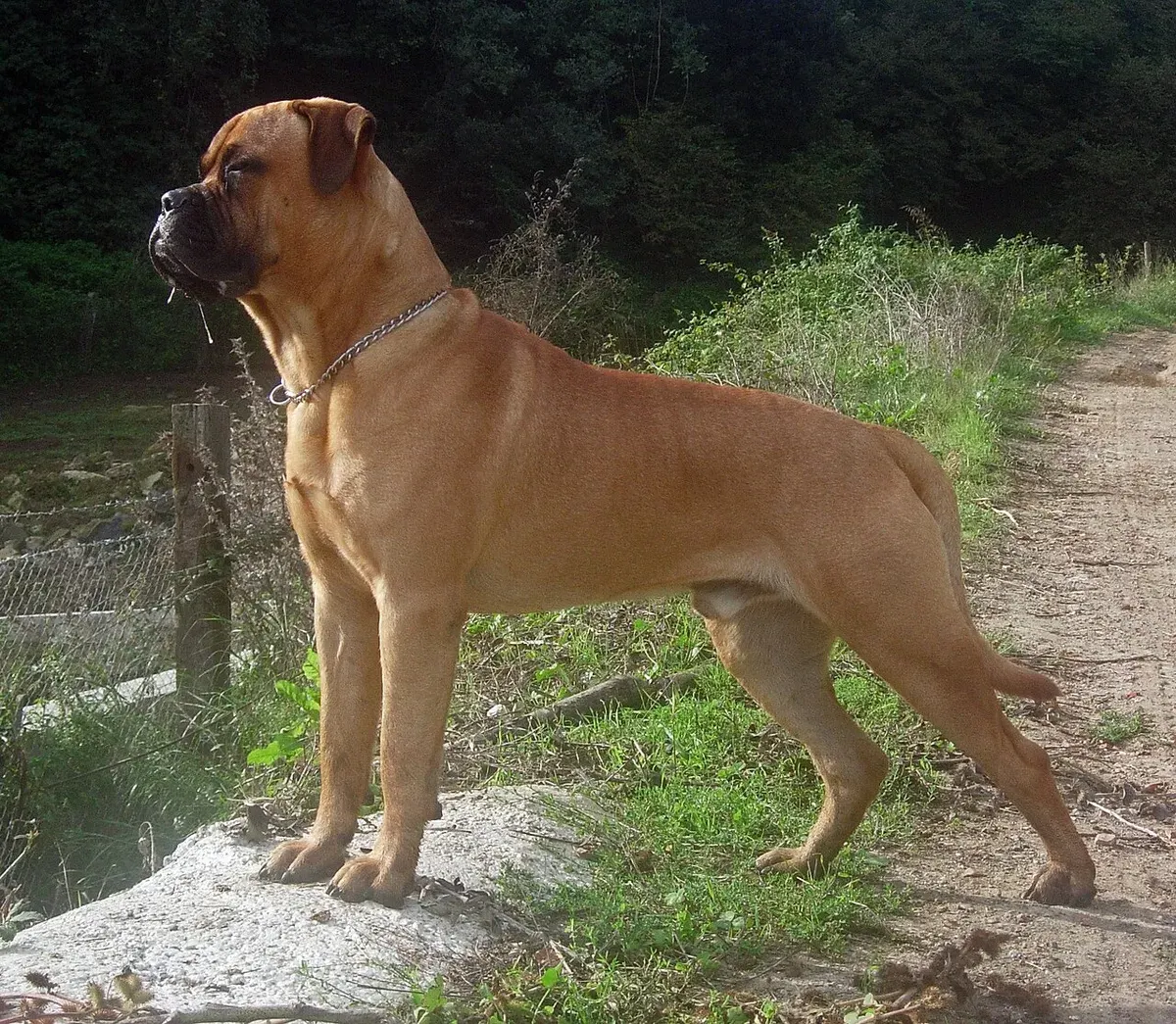
Powerful, calm and devoted, the Bullmastiff is a quiet guardian and an affectionate companion that needs early training.
History and origins
The Bullmastiff was developed in 19th-century England from the Mastiff and the Bulldog, to help gamekeepers stop poachers at night without injuring them.
Today it is mainly a guard and family dog.
Temperament
Calm, confident and very attached to its family, the Bullmastiff is a natural protector that barks little. It is usually gentle with the household's children.
Its strength and independence call for early socialisation and consistent training, especially lead walking.
Some regions restrict ownership of this breed; check your local regulations.
Health
Its short lifespan is linked to its size. Hip and elbow dysplasia, bloat, some cancers and eyelid problems have been reported.
Regular veterinary follow-up is essential.
This is general information. For any question about your dog's health, consult a veterinarian.
Feeding
Large-breed food in two meals and slow growth are recommended.
It tends to gain weight, so measure portions.
Exercise
Moderate daily walks are enough. It is not built for intense or prolonged effort.
Avoid any activity in hot weather.
It needs a house with a garden.
Grooming
Its short coat needs weekly brushing. Clean any facial folds as needed.
It drools a little, so keep a towel handy.