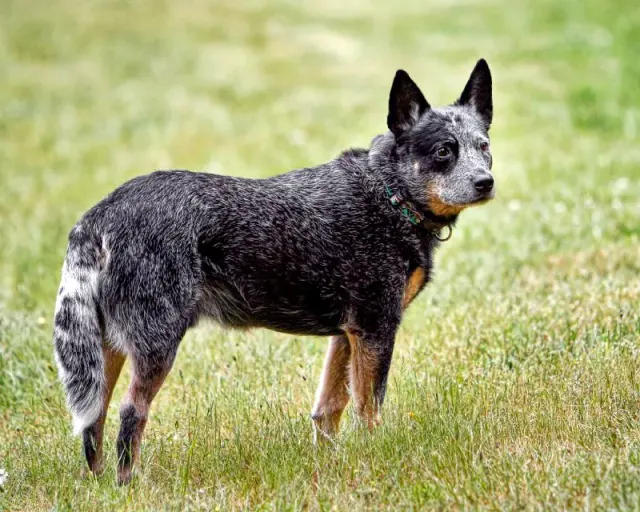
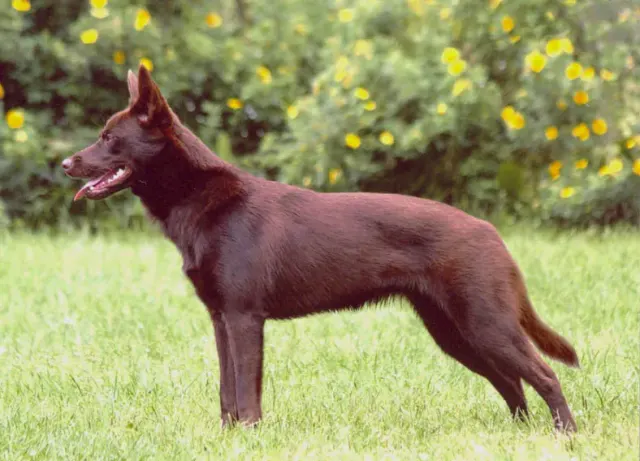
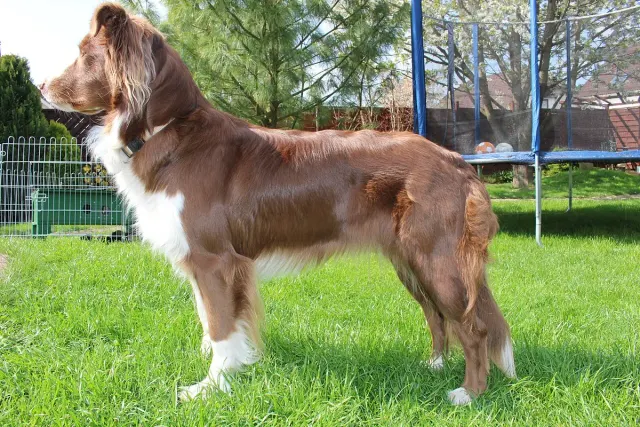
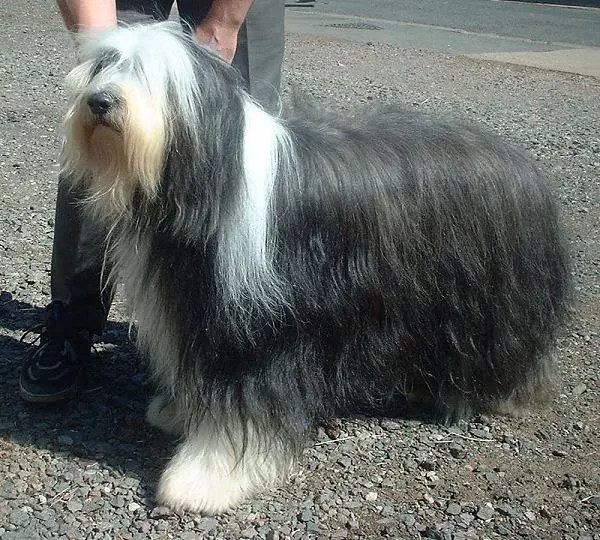
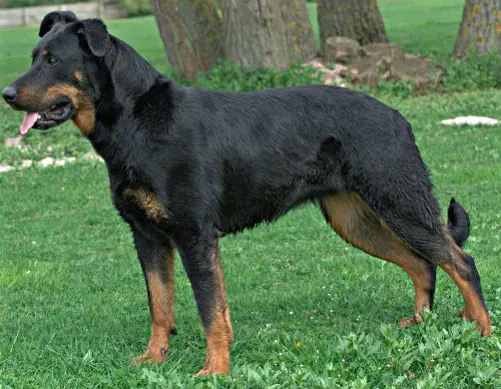
A large black-and-tan French shepherd, the Beauceron is a powerful, loyal and protective dog that needs firm yet kind training.
History and origins
The Beauceron is an old French herding dog used on the plains south of Paris to guard and drive large flocks of sheep. It also served as a military dog in both World Wars.
It has double dewclaws on its hind legs, a feature required by its standard.
Appearance and colours
The FCI breed standard describes a big, solid, hardy, powerful and muscular dog, without heaviness, slightly longer than tall, with a long, well-chiselled head. A traditional feature is the double dewclaws on the hind legs, forming well-separated "thumbs": shepherds are attached to them, and single or missing hind dewclaws are disqualifying.
The coat is smooth on the head and short, thick, firm and close on the body, 3–4 cm long, with a light fringe on the buttocks and under the tail. There are two colours: black and tan, with squirrel-red markings including the "red stockings" on the legs that gave the breed one of its old names, and harlequin (grey, black and tan, the coat black and grey in equal parts).
- Height at the withers: 65–70 cm for males, 61–68 cm for females.
Temperament
Calm, confident and very attached to its family, the Beauceron is a natural protector, reserved with strangers. It matures slowly and stays an energetic youngster for a long time.
Intelligent and sometimes dominant, it needs a consistent owner and early socialisation.
With children and other pets
The standard asks for a frank, self-assured dog with a candid expression, never mean, timid or worried, and a gentle and fearless character. The Royal Kennel Club describes it as quiet and confident, a loyal companion and guard dog. It rates 3 out of 5 with children and 3 out of 5 with other dogs in our ratings.
- It is large and protective: supervise it with young children and visitors.
- Socialise it widely from puppyhood.
Training tips
According to the standard, "Beauce Dog", "Beauceron" and "Red-Stocking" were the names chosen at the end of the 19th century for these old French sheepdogs of the plains, selected to drive and guard flocks of sheep. It rates 4 out of 5 for trainability in our ratings.
- It needs daily exercise and a job: obedience, tracking, herding or dog sports.
- Use calm, consistent, reward-based training.
Health
This is a fairly robust breed. Hip dysplasia and bloat should be watched for, as in other large, deep-chested dogs.
Regular veterinary follow-up and screened breeding dogs are recommended.
Common health issues in detail
The Royal Kennel Club recommends hip scoring as best practice for breeding dogs.
We found no large population study of health in the Beauceron.
This is general information. For any question about your dog's health, consult a veterinarian.
Feeding
Good-quality food for large, active dogs suits it. Puppies should grow slowly.
Two meals a day, with rest after eating.
Exercise
It needs one to two hours of daily activity: long walks, running, obedience, tracking or herding work.
It enjoys having a mission.
Its short coat helps in the heat, but its black colour absorbs the sun: in summer, walk it during the cool hours and provide shade and water. It needs a house with a large, well-fenced garden and is poorly suited to apartment life.
Grooming
Its short, dense coat needs brushing once a week, more often during the moult.
Remember to trim the hind dewclaws if they do not wear down.
Choosing a puppy
Choose a breeder who hip-scores the parents and selects for the steady temperament the standard requires.
- Ask for the parents' hip scores.
- Meet the mother: she should be confident and calm, never timid.
- Check the hind double dewclaws if you want a dog that matches the standard.
Our guide on how to recognise a responsible breeder explains what to ask.
Similar breeds
The Briard is the long-coated French sheepdog that also has double hind dewclaws. The Dobermann has similar black and tan colouring. The German Shepherd and Belgian Malinois are other versatile working shepherds.