A mastiff from the Canary Islands, the Presa Canario is a powerful, self-assured guardian devoted to its family, and needs an experienced owner.
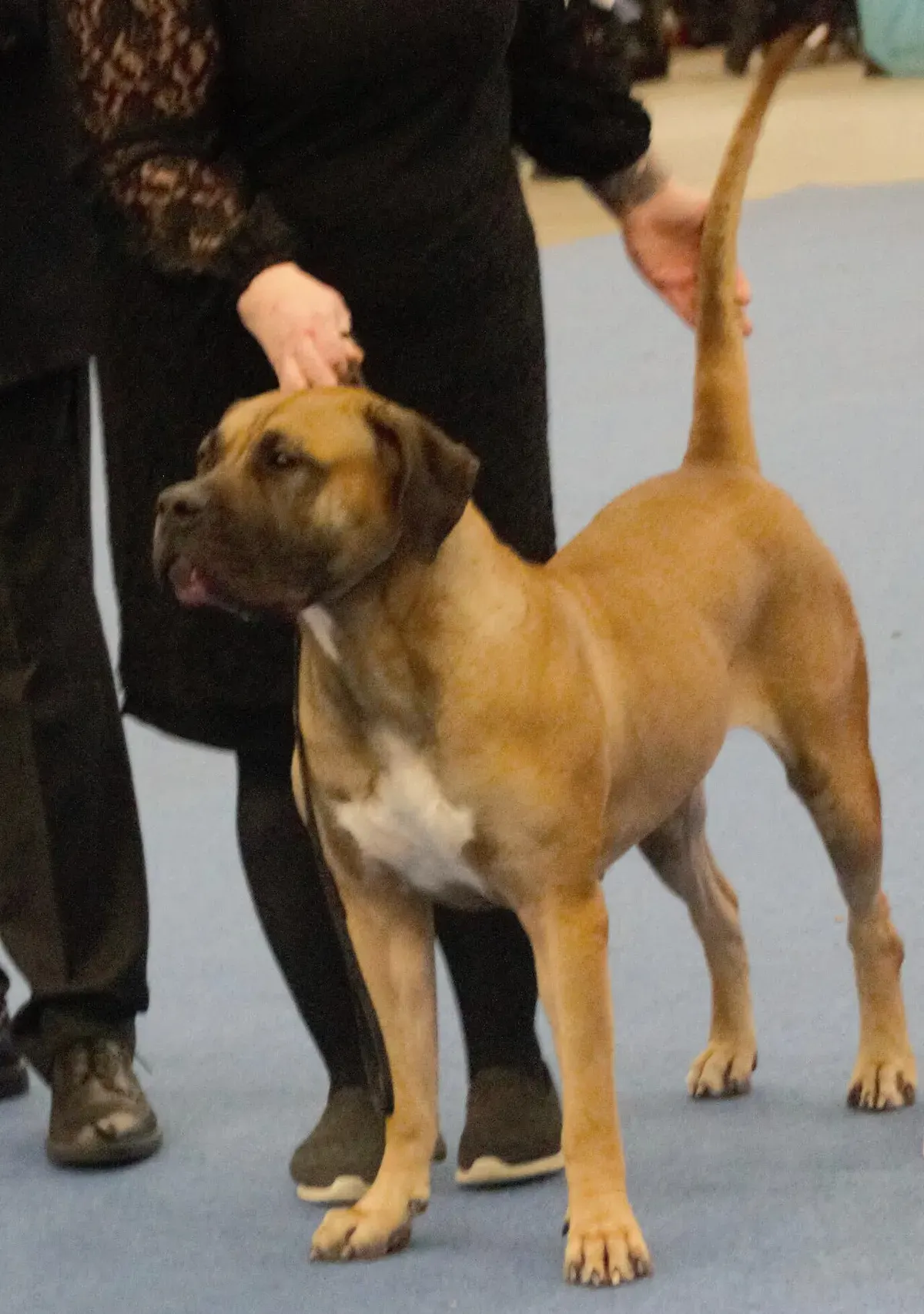
History and origins
The Presa Canario (Dogo Canario) comes from the Canary Islands, where it guarded farms and helped control cattle. In the past it was also used in dog fights, which are now banned.
Nearly extinct, it was revived from the 1970s and is recognised by the Fédération Cynologique Internationale.
Appearance and colours
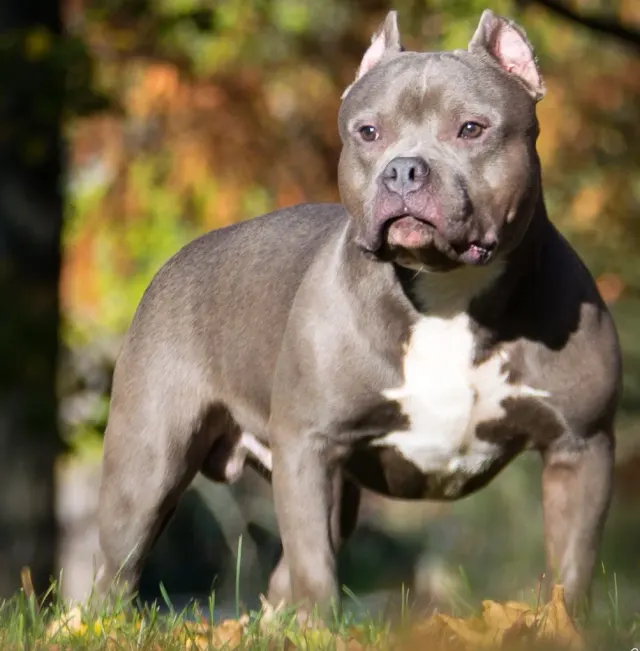
The FCI breed standard describes a medium-sized, robust and well-proportioned molosser with a straight profile and a black mask. The coat is short, coarse and flat, with no undercoat.
Colours are all shades of brindle and fawn up to sand, and black; white marks are allowed on the chest, throat and feet but should be kept to a minimum. The mask is always black.
- Height at the withers: 61–66 cm for males, 57–62 cm for females.
- Weight: 45–57 kg for males, 40–50 kg for females.
Temperament
Calm, confident and very protective, the Presa Canario is devoted to its family and wary of strangers. It can be dominant and intolerant of other dogs.
It needs early socialisation, firm and consistent training and constant supervision.
Some regions restrict ownership of this breed; check your local regulations.
With children and other pets
The standard describes a balanced, very self-confident dog with a low, deep bark, especially suited to guarding; obedient and docile with family members and very devoted to its owner, but possibly suspicious of strangers. It rates 2 out of 5 with children and 1 out of 5 with other dogs in our ratings.
- It suits only experienced owners and is usually best as the only dog.
- Early, careful socialisation is essential.
Training tips
According to the standard, the breed comes from Tenerife and Gran Canaria in the Canary Islands, probably from crosses between the pre-Hispanic "majorero" dog and molossers brought to the islands; it was traditionally used to guard and herd cattle. It rates 3 out of 5 for trainability in our ratings.
- Use calm, consistent, reward-based training from an early age.
- Check whether local rules apply to this breed where you live.
Health
Hip and elbow dysplasia, bloat and some skin problems have been reported.
Choose a breeder who screens their breeding dogs.
This is general information. For any question about your dog's health, consult a veterinarian.
Feeding
Large-breed food in two meals and slow growth are recommended.
Avoid excess weight.
Exercise
It needs about an hour of on-lead activity a day, with obedience exercises.
Avoid dog parks.
It needs a house with a securely fenced garden.
Grooming
Its short coat needs weekly brushing.
An occasional bath is enough.
Choosing a puppy
The FCI standard says only healthy dogs with typical breed conformation should be used for breeding.
- Ask what health checks the parents have had.
- Meet the mother: she should be calm and self-confident, not aggressive.
Our guide on how to recognise a responsible breeder explains what to ask.
Similar breeds
The Dogo Argentino, Cane Corso, Boerboel and Bullmastiff are other powerful molossers.